
By Senior Editor, China Africa
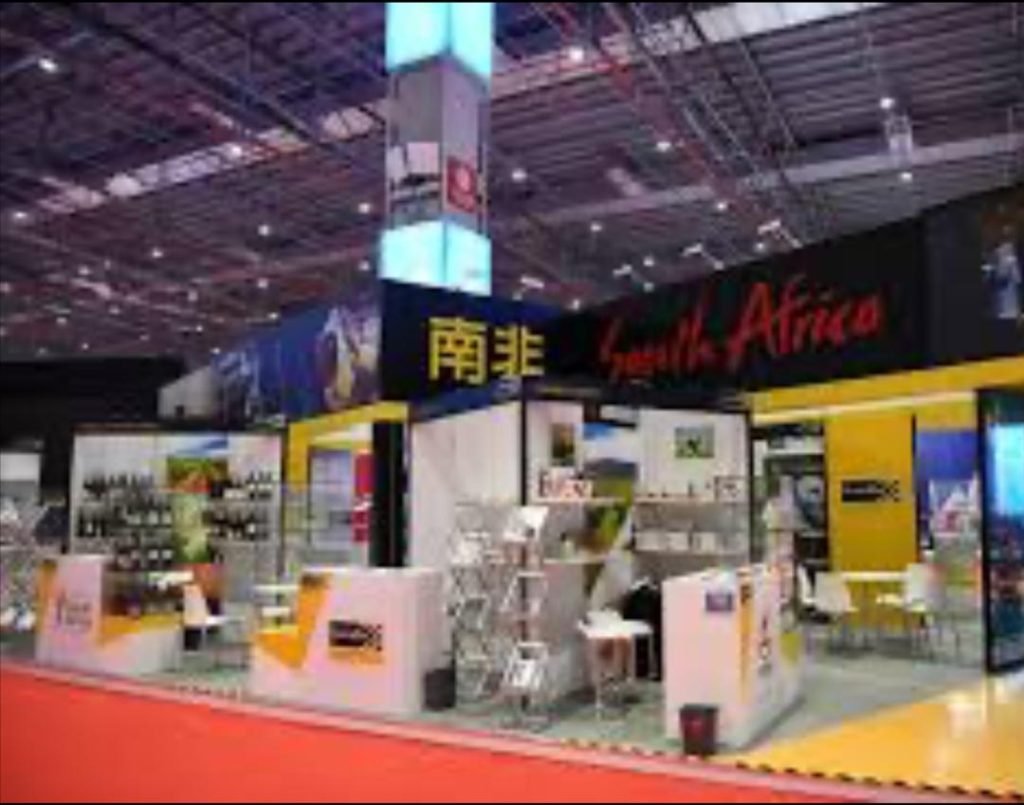
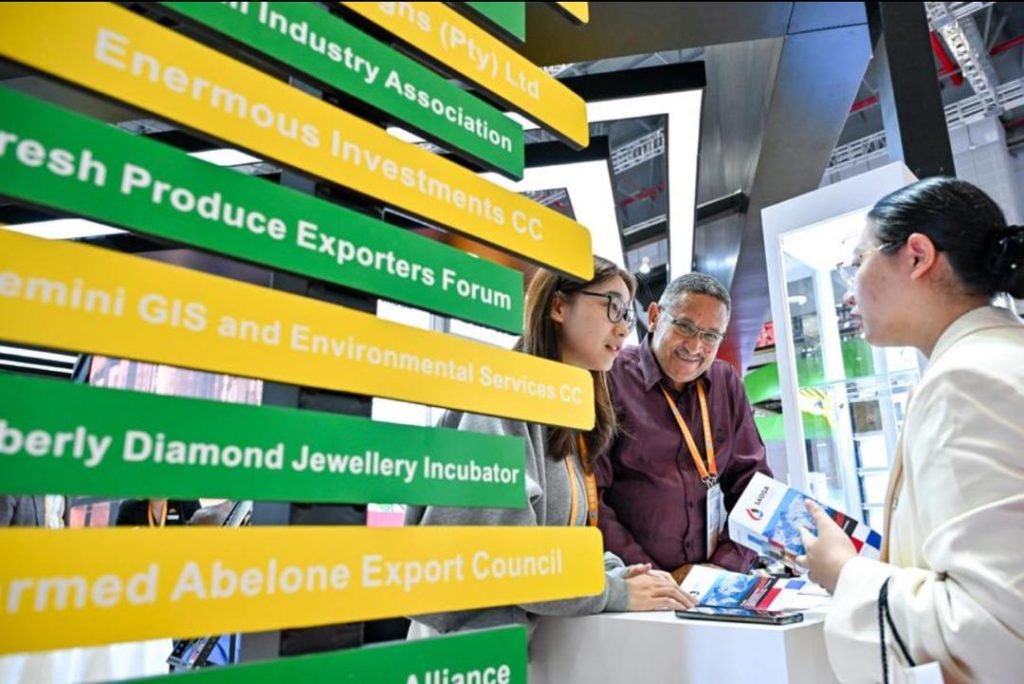
Pretoria, South Africa-A total of 35 South African companies will showcase their products and services at the upcoming CIIE in Shanghai from November 5-10. According to the Department of Trade, Industry and Competition (dtic) in South Africa, these firms span sectors including agro-processing and agriculture, textiles/clothing/leather, oil & gas, rail industry, electro-technical, chemicals, metal fabrication, ICT and mining.
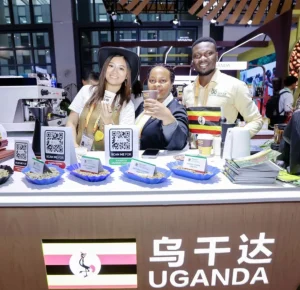
But South Africa is far from the only African nation leveraging this platform. The CIIE’s African-product zone has been significantly expanded, showcasing specialty agricultural and processed goods from the continent such as Rooibos tea and wine from South Africa, honey from Zambia, macadamia nuts from Zimbabwe, peanuts from Malawi and shea butter from Mali.
For example, Nigeria has identified peanuts and indigenous fabrics (Adire) as export-opportunities through the Expo, pointing to strong demand from Chinese buyers.
Rwanda, meanwhile, has attended the CIIE for several years: its exports to China grew from US$39 million in 2018 to over US$131 million in 2023, helped by exposure via the expo.
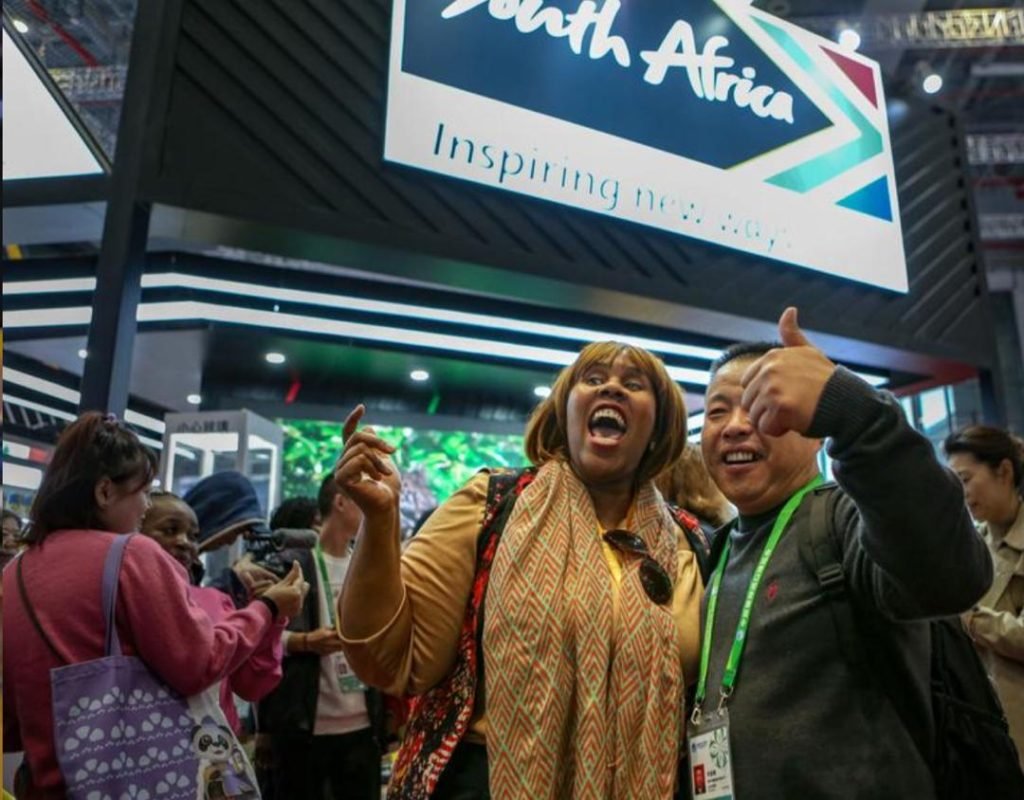
The CIIE itself is China’s annual import-themed trade fair held in Shanghai’s National Exhibition & Convention Centre. It was launched in 2018 as the world’s first national-level import-themed expo, intended to provide foreign producers access to China’s large consumer market and to encourage inward trade.
Its scale is significant: the 7th edition attracted around 3,496 companies from 129 countries and regions, and produced intended deals valued at over US$80 billion.
For the upcoming edition, the African participation signals that African exporters are increasingly seeing China not just as a buyer, but as a partner in diversification and value-addition. Through the African pavilion and dedicated zones, they are able to exhibit products such as coffee, shea butter, tropical fruits, tea, and processed goods directly to Chinese importers.
For South African companies specifically, the opportunity is multifaceted. Alongside agro-products, they will present engineering and capital equipment, cosmetics, and services thereby tapping into China’s demand for diversified imports, and repositioning themselves in a broader global value-chain.
For other African countries, the message is clear: the CIIE offers a pathway into China’s consumer market, but also a platform for international visibility, networking and deal-making.
As African companies prepare for the 2025 expo, the question shifts from mere attendance to outcomes: What contracts will materialise? What export streams will be established? Which value-chains will deepen? In a global context where agriculture, manufacturing and services are under pressure, the CIIE remains a strategic staging ground for Africa–China trade, collaboration and innovation.
The showcase by 35 South African companies thus reflects not only the ambitions of one country but the broader push by African exporters to engage with China’s rising consumption, technology and services market at scale, in sectors beyond raw materials, and with an eye on long-term capacity building.