
By Senior Editor,China Africa News
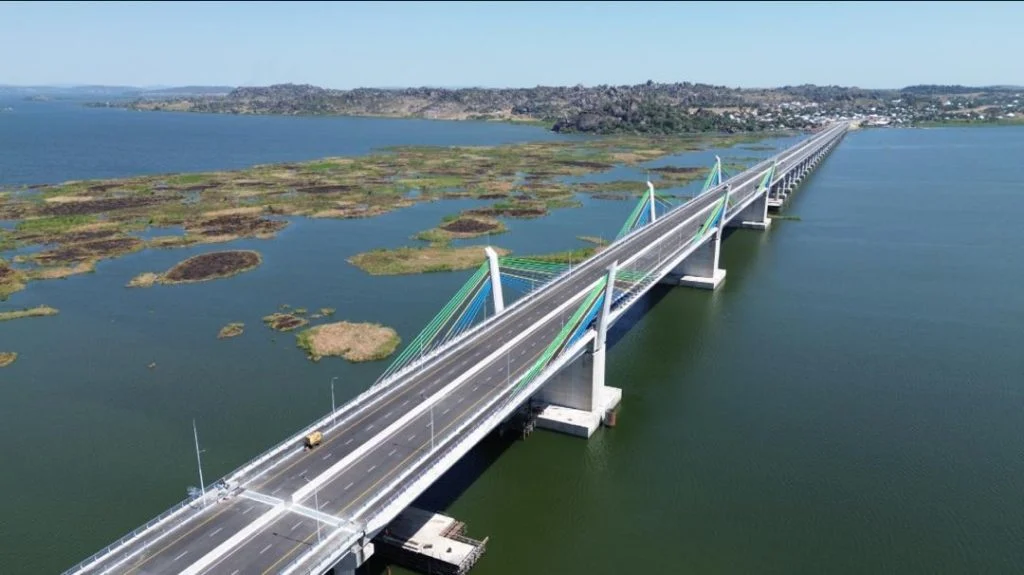
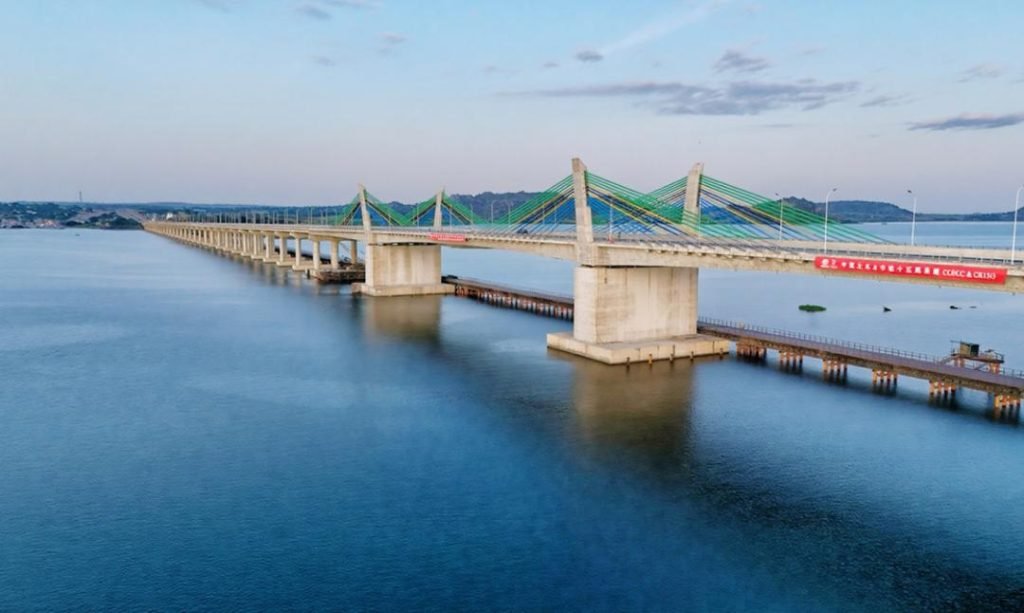
Dar es salaam, Jan 12, 2026 -Tanzania has taken major, tangible steps toward opening up its trade and economic landscape through Chinese‑backed infrastructure. On June 19, 2025, the J.P. Magufuli Bridge a 4.66‑kilometer, China‑built extradosed bridge across Lake Victoria was officially opened by President Samia Suluhu Hassan, dramatically cutting travel time from over two hours by ferry to just about five minutes and slashing cross‑lake transport costs. The project, constructed by China Civil Engineering Construction Corporation (CCECC) and China Railway 15th Bureau Group, is already improving connectivity for commerce and daily life in the region.
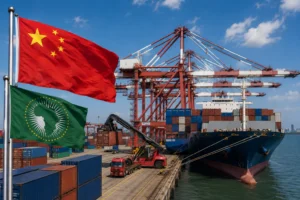
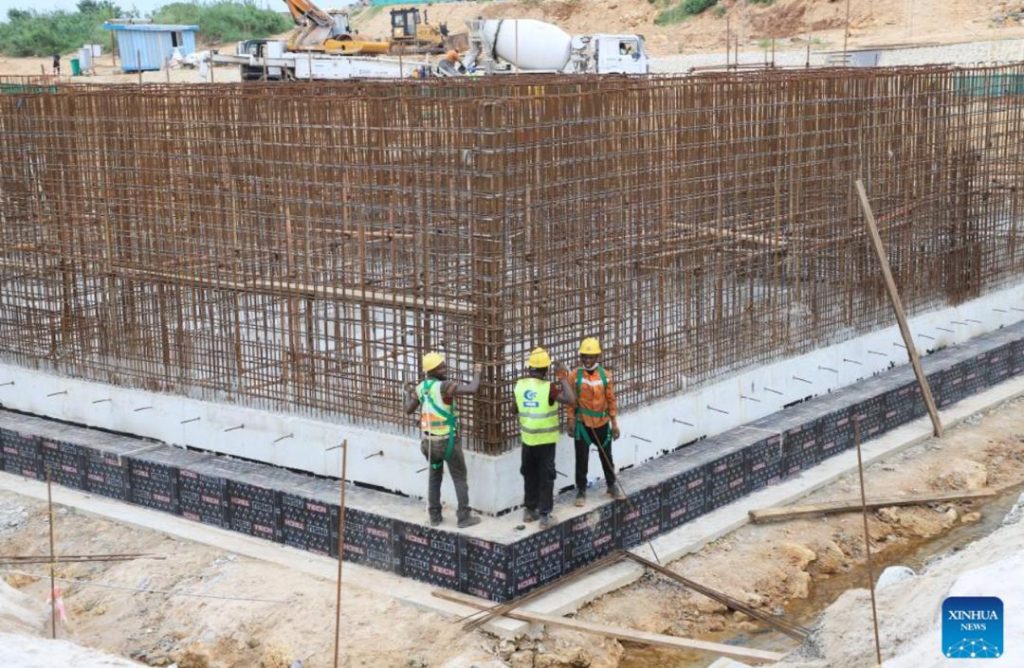
Along Tanzania’s Indian Ocean coast in Kilwa Masoko, construction is nearing completion on the country’s first modern large‑scale fishing harbour, built by China Harbor Engineering Company Ltd (CHEC). Designed to handle 60,000 tonnes of fish annually and accommodate deep‑sea vessels, the port promises to transform a long‑neglected fisheries sector by adding refrigeration, processing space and better access to markets.
Local voices at the bridge reflect the everyday impact of these projects. Cecilia Maziku, a fish vendor in the Lake Zone, says the Magufuli Bridge has already changed her business: “Sometimes fish would rot before reaching Geita or Sengerema. Now I can deliver fresh stock quickly, and my business has picked up.” Another resident, Masakilija, describes the shift in mobility, saying, “We can now work day and night without worrying about ferries breaking down or long queues. That problem is behind us.”
For the fishing harbour in Kilwa, anticipation among local stakeholders is building. Guides and community members imagine the new port as a catalyst for the local economy, not just a piece of infrastructure. One local guide, Daudi Gideon, remarked that when visitors come to see the historic island ruins, “they will also see this remarkable new port… once it’s completed, more people will come to learn about our history and witness our new chapter.”
Together, these projects illustrate a broader deepening of China‑Tanzania economic cooperation that extends beyond isolated construction to strategic capacity building. The Magufuli Bridge is expected to facilitate smoother trade links with Uganda, Rwanda, Burundi and beyond, while the Kilwa harbour could anchor Tanzania’s blue economy by improving fish preservation, processing and export potential. Both efforts tap into decades‑old ties between Beijing and Dodoma, and form part of Tanzania’s engagement with China’s Belt and Road Initiative, which has fostered infrastructure investment across Africa.
Still, turning new transport corridors and ports into sustained economic growth will require complementary policies: boosting local processing industries, developing market access, and ensuring that the gains from these physical assets are shared widely among Tanzanians. As the harbour cranes and bridge pylons rise against the horizon, the promise is clear Tanzania is positioning itself to trade more efficiently, compete more effectively, and write a new chapter in its economic story.