
By Cremilda Macuácua, China Africa News
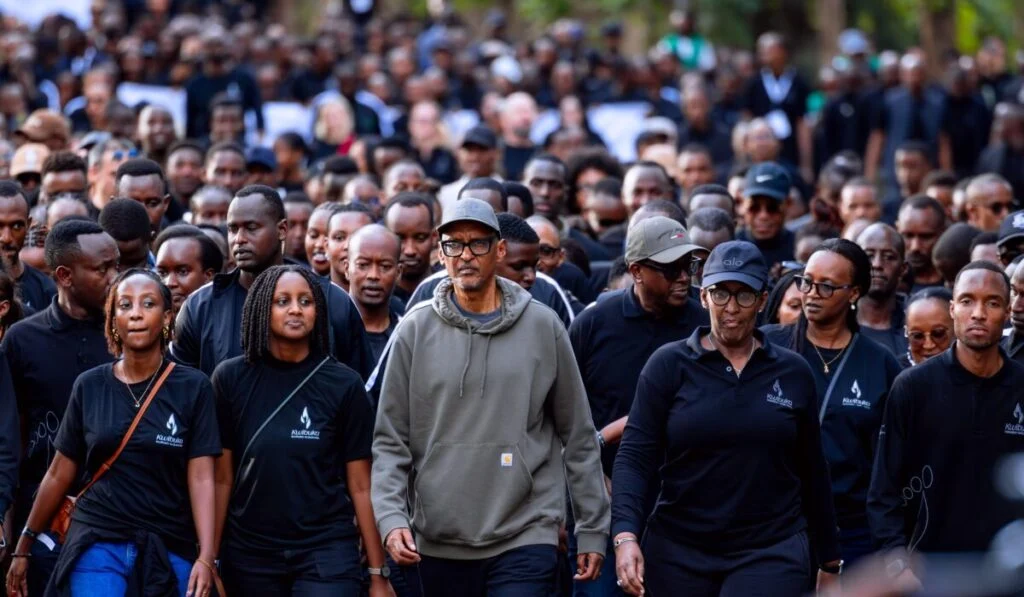
Kigali, April 8, — As Rwanda begins Kwibuka 32, marking 32 years since the Genocide against the Tutsi, the nation has entered a solemn week of remembrance honoring the lives lost while reaffirming its commitment to unity, truth, and resilience.
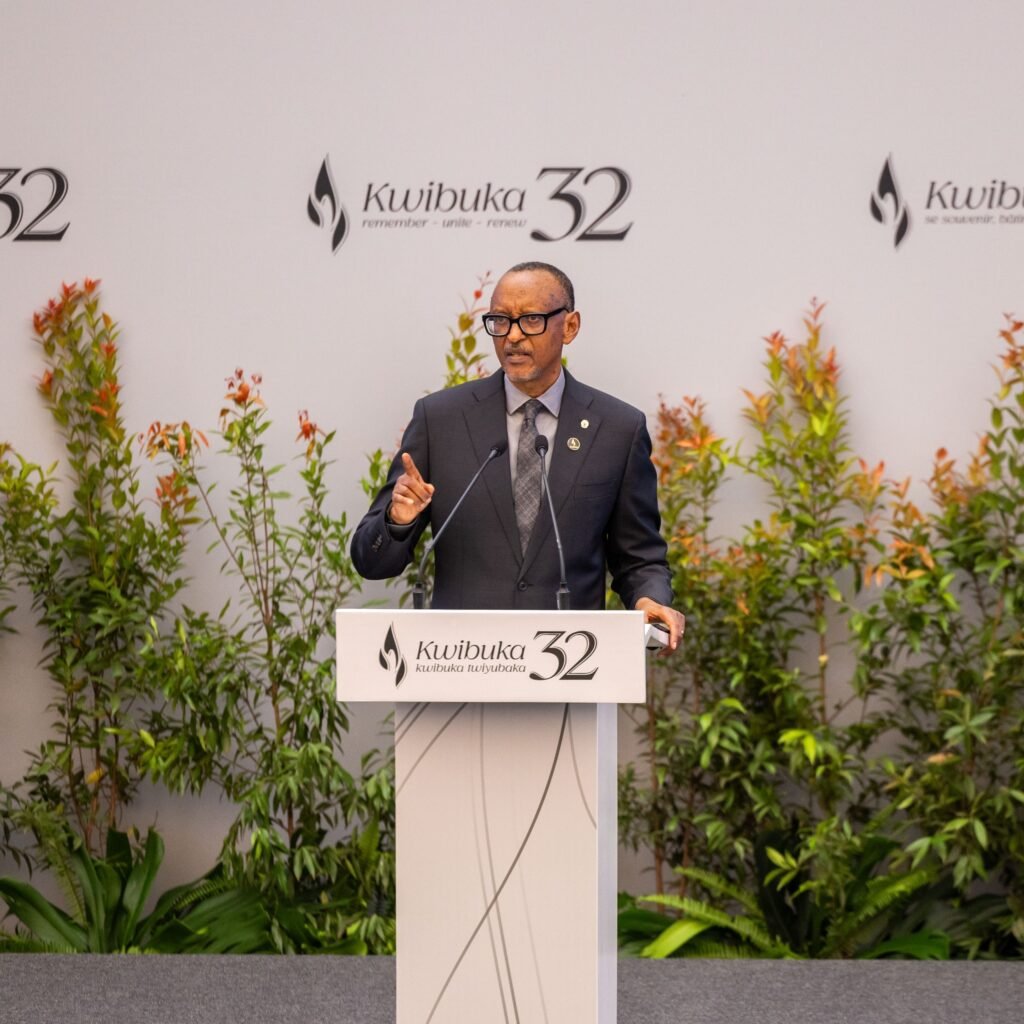
At the national commemoration, President Paul Kagame delivered a message grounded in memory and sovereignty. Central to his address was the enduring principle that victims of the genocide must “not die twice” a warning against denial, distortion, and indifference that could erase the truth of what happened in 1994.
Kagame also addressed ongoing international scrutiny and sanctions related to Rwanda’s security role in the region, responding with a firm and unequivocal statement:
“There are no sanctions or insults from outside that can tarnish the honor and integrity of Rwanda’s defense and security forces, which are among the most capable anywhere. I intend to raise this issue of sanctions at the international level to better understand the basis and context of this injustice.”
His remarks reflected Rwanda’s position that its security concerns are deeply tied to its history, particularly the continued threat of armed groups in the region associated with genocide ideology. For Rwanda, the lessons of 1994 remain directly relevant to present-day security decisions.
Beyond security, Kagame’s speech also carried a broader message about dignity and independence, calling on African nations to define their own paths without undue external pressure.
The United States, in its Kwibuka 32 message, echoed the importance of remembrance and accountability. Paying tribute to the victims, the U.S. highlighted the need to preserve the historical record and reject any attempts at genocide denial. It also reflected on visits to memorial sites such as Nyamata and Ntarama, describing the experience as a powerful reminder of both the brutality of the genocide and the resilience of the Rwandan people.
The U.S. further reaffirmed its support for justice efforts, including its role in helping bring perpetrators of the genocide to account, and emphasized the shared responsibility of the international community to prevent such atrocities from recurring.
As the week of commemoration unfolds, Rwanda stands in reflection but also in assertion of truth, of resilience, and of its right to define its future. Kagame’s message, reinforced by international voices, underscores a central idea: remembrance is not only about the past, but about safeguarding the future.