
Johannesburg — South Africa Mosi III Naval Exercise: Balancing Summit and Security has been officially postponed by the South African National Defence Force (SANDF). What may appear to be a small scheduling change is, in reality, a calculated strategic repositioning. The move reflects how South Africa is prioritizing diplomacy over defense drills ahead of its critical role in hosting the 2025 G20 Summit.
The Weight of 2025
For Pretoria, 2025 is a year of intense responsibility. With the G20 Summit approaching and South Africa holding the presidency, every national effort matters. The South Africa Mosi III naval exercise was originally part of a broader defense calendar, but G20 hosting duties require complete focus on logistics, security, and diplomacy. South Africa Mosi III Naval Exercise: Balancing Summit and Security
Why Postpone Mosi III?
The SANDF and Department of Defence quietly reached out to Beijing to reschedule the South Africa Mosi III naval exercise, which had been set for November. Officially, the goal is to prevent disruptions to G20 preparations. Yet the move carries deeper meaning, showing how South Africa balances military cooperation and international diplomacy.
The Symbolism of “Mosi”
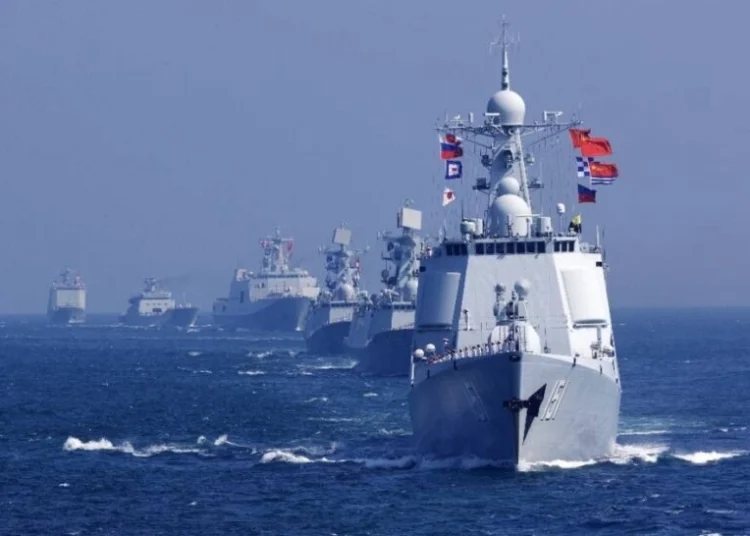
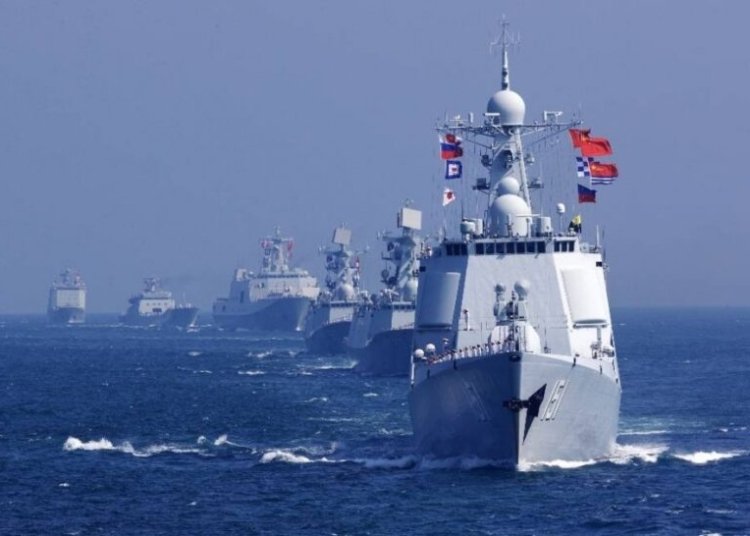
Long before its delay, the South Africa Mosi III naval exercise carried rich symbolism. “Mosi,” meaning smoke in Tswana, represents South Africa’s growing maritime partnerships with China and Russia. Since the first Mosi naval exercise in 2019, and Mosi II in 2023, the country has strengthened defense ties through shared training and maritime operations.
Timing and Optics
This year, timing collided with ambition. Holding the South Africa Mosi III naval exercise during the G20 Summit would send conflicting signals. Warships from China and Russia in South African waters while global leaders meet in Johannesburg could overshadow South Africa’s diplomatic message. The government’s decision to postpone reflects a desire to control international optics and maintain balanced relationships.
The decision rests on three principles:
- Image and Posturing – The South Africa Mosi III naval exercise postponement helps South Africa appear as an honest broker among global powers.
- Operational Constraints – Summit security requires full resources; running naval drills at the same time would strain capacity.
- Strategic Autonomy – The delay reinforces South Africa’s independent stance in defense and diplomacy.
Risks and Perceptions
The pause in the South Africa Mosi III naval exercise isn’t without challenges. Critics at home may question the timing, while international observers — especially in Beijing and Moscow — may wonder if it signals hesitation. Managing this perception is crucial for preserving long-term defense credibility.
The Path Forward
To maintain momentum, the SANDF should quickly announce a new date for the South Africa Mosi III naval exercise. Clear communication will show that the move was strategic, not reactive. Strengthening ties with both China and Russia will ensure continued collaboration once the exercise resumes.
The Power to Pause
The South Africa Mosi III naval exercise highlights a larger truth: not every contest is fought on the ocean. At this moment, South Africa’s greatest test lies on the global stage — leading the G20 with confidence and authority. By pausing military drills to focus on diplomacy, South Africa demonstrates the true power to pause and lead strategically.