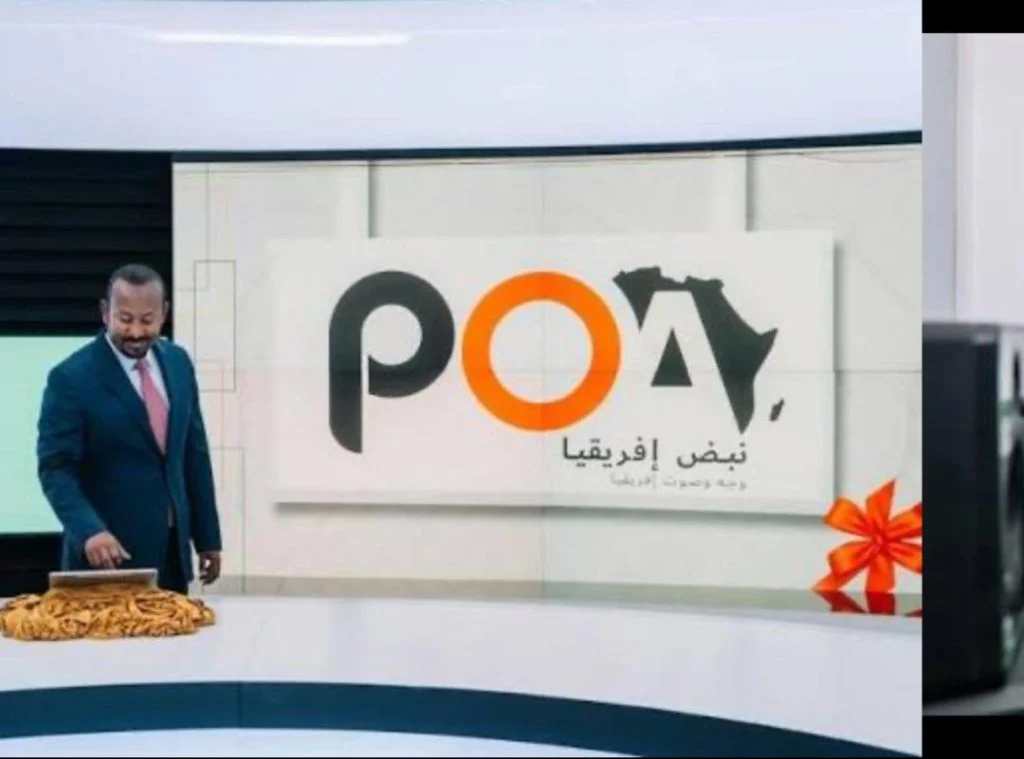

Addis Ababa-Ethiopia is witnessing the emergence of a bold experiment one that seeks not just to broadcast news, but to reclaim narrative agency for Africa in a media ecosystem long dominated by external voices. With the launch of Pulse of Africa (POA), Prime Minister Abiy Ahmed is betting that storytelling, as much as infrastructure or trade, can be a frontline of strategic influence. The question now is whether this initiative can outpace skepticism, scale across vast geographies, and forge meaningful synergies with global partners especially China in reshaping how Africa is seen and heard.
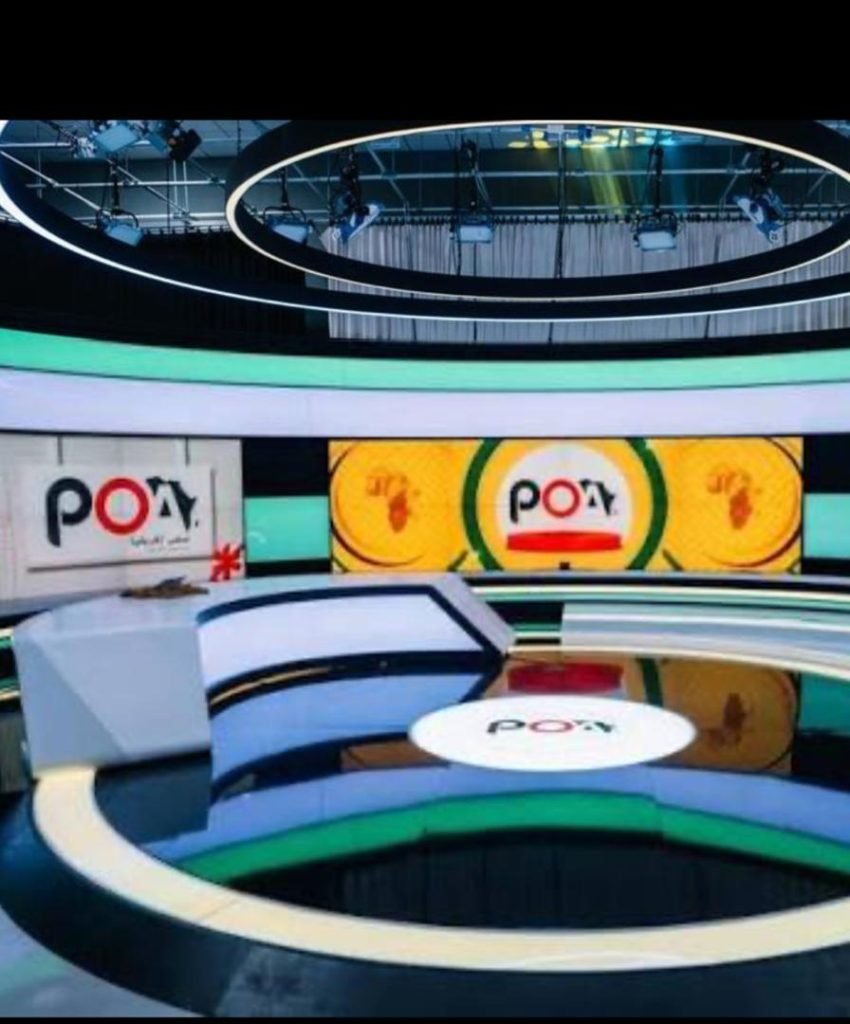
From his address at the inauguration, Abiy was clear: “Too often, Africa is framed as smaller, weaker, or incapable … that narrative does not reflect our potential, our diversity, or our ambition.” POA is pitched as a continental and global outlet that amplifies African voices. It aims to shift countries from being passive subjects of foreign coverage to active authors of discourse to change the lens through which the world sees Africa.
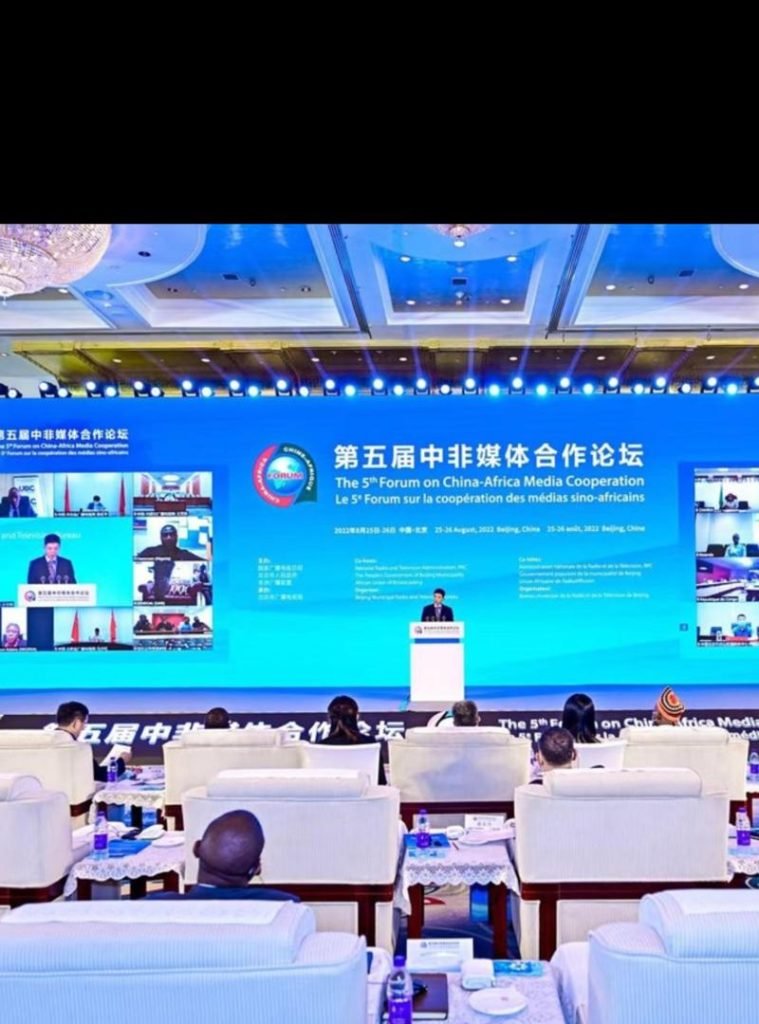
Such efforts are not happening in isolation. Ethiopia and China have already begun to deepen media and communications collaboration. In May 2025, a joint forum in Addis Ababa under the theme “Seeing China: Fostering China‑Ethiopia Media Collaboration” produced concrete outcomes: the launch of a “China Hour” programming block to air Chinese content in Ethiopia, and joint pledges on content development, technology support, and capacity building. In talks between Ethiopian and Chinese communication ministers, five priority areas from media tech transfers to shared storytelling were identified to strengthen long-term bilateral media ties.
What’s unfolding is a new chapter in South–South media cooperation, where China brings infrastructure, technical expertise, and institutional models, and Africa brings context, authenticity, and agency. POA offers Ethiopia a platform to anchor its continental leadership, while Chinese media cooperation offers scalable tools and networks to match.
Still, POA must navigate a host of challenges. African audiences remain wary of state‑led media editorial credibility cannot be taken for granted. Moreover, Africa is enormously diverse: linguistically, culturally, and politically. A one‑size narrative won’t serve the continent any better than monolithic foreign frames have. Resources will be stretched successful global media outlets demand infrastructure, talent, distribution, and consistent investment.
Yet the potential upside is significant. If POA can sustain genuine editorial independence, it can become a trusted source that counters disinformation, projects Africa’s development stories, and connects diasporas.It can also serve as a hub in the emerging “narrative ecosystem” where African, Chinese, and other Global South voices interact forming congenial circuits of influence that echo beyond national borders.
China is already signaling willingness to embed itself in that media ecosystem. Its media institutions (state, semi‑state, and commercial) are increasingly active across Africa. Through FOCAC, Belt and Road, and media diplomacy, Beijing is not merely building roads and pipelines it is investing in perception, partnerships, and narrative capital. For Ethiopia and POA, the balance will be to harness Chinese support without becoming subordinate to foreign editorial influence.
Pulse of Africa is nascent, but it arrives at a moment when the world is reordering digitally, politically, and strategically. If it succeeds, it may not only redefine how Africa is seen; it could reshape how African stories ripple through the world, as partners like China amplify, adapt, and participate in that journey.
By Reporter, China Africa News