
By Veronica Natalis
Munyonyo, Kampala, Uganda | November 24, 2026
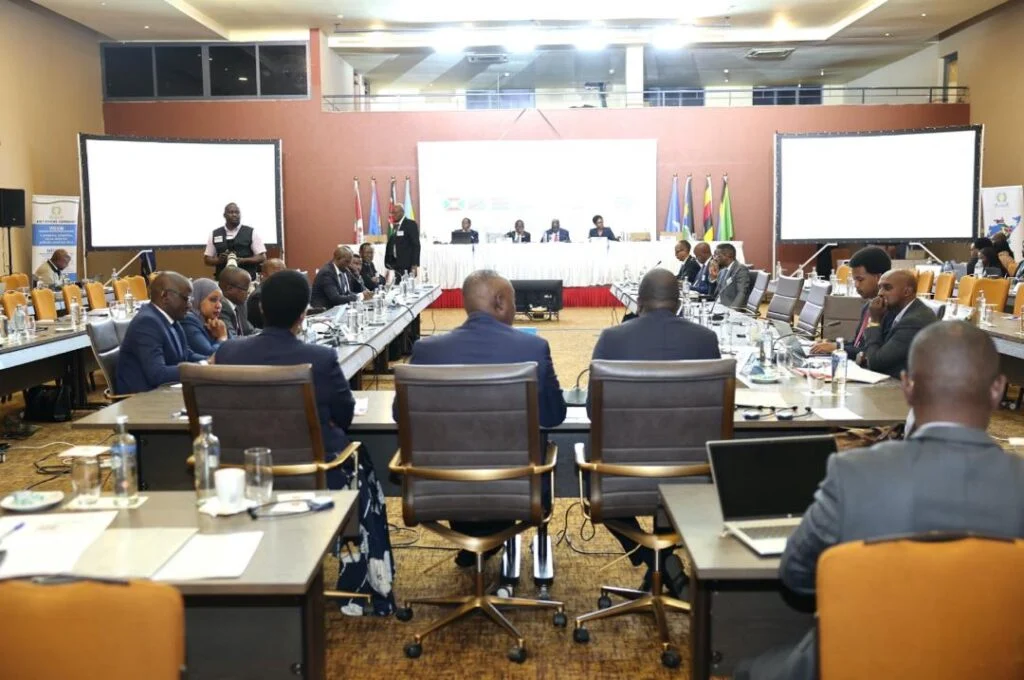
East Africa’s ambition to build a more integrated regional economy is facing another test as government officials from eight Partner States gather in Uganda for high-level deliberations on the future of regional cooperation, trade and development.
The 48th Ordinary Meeting of the East African Community (EAC) Council of Ministers, which opened in Munyonyo, Kampala, on November 23, brings together representatives of Burundi, the Democratic Republic of Congo, Kenya, Rwanda, Somalia, South Sudan, Tanzania and Uganda at a critical moment for the regional bloc.
Running through November 30, the meeting is expected to address a fundamental question confronting the Community: how can years of regional agreements, policy commitments and integration frameworks translate into measurable improvements in the lives of East Africans?
At the centre of the discussions is an assessment of the implementation of decisions and directives adopted during the Council’s previous 47 meetings. The figures reveal both progress and persistent challenges in turning regional commitments into action.
According to the EAC Secretariat, out of 3,697 decisions and directives recorded since the Council’s first meeting, 2,587, representing approximately 70 per cent, have been fully implemented. Another 618 remain under implementation, while 220 are classified as continuous. A further 272 decisions, equivalent to 7.36 per cent, have not been implemented.
Although the implementation rate demonstrates progress, the outstanding decisions raise important questions about institutional coordination, national-level execution and the pace at which regional commitments are being translated into practical outcomes.
For a region seeking to deepen economic integration, implementation is particularly important. Agreements on trade facilitation, transport connectivity, customs procedures and the movement of people can only deliver their intended benefits when they are consistently applied across national borders.
The implications extend beyond government institutions. Traders seeking access to neighbouring markets, manufacturers depending on regional supply chains, transport operators moving goods across borders and young people searching for employment opportunities all have a direct interest in how effectively the integration agenda is implemented.
The Council is therefore expected to examine measures aimed at strengthening the regional market, reducing the cost and complexity of cross-border trade, improving connectivity and creating a more competitive environment for investment and employment.
Infrastructure development, agriculture, food security, climate resilience, digital transformation and social development also feature prominently on the agenda. These sectors are closely interconnected and remain essential to the region’s ability to expand production, attract investment and withstand economic and environmental pressures.
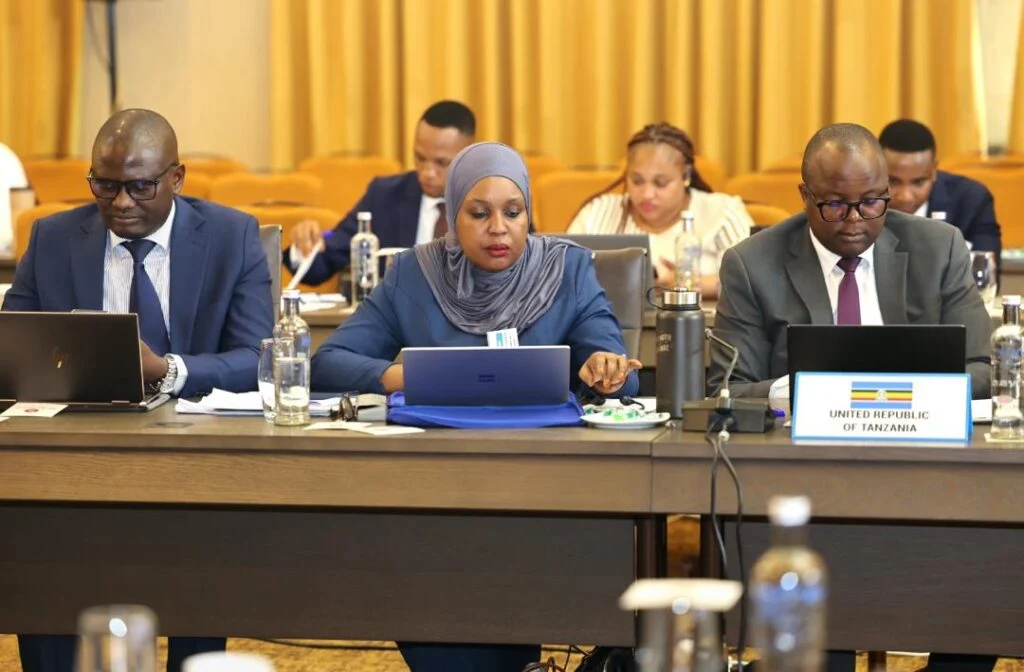
The deliberations come as the Community advances its Seventh EAC Development Strategy for 2026/27–2030/31, which sets out priorities for increasing intra-regional trade, expanding regional connectivity, strengthening climate resilience, advancing political integration and improving the effectiveness of EAC institutions.
For East Africa, the stakes are considerable. The Community represents a market of more than 300 million people, with significant opportunities in agriculture, manufacturing, services, tourism, infrastructure and cross-border investment. However, unlocking this potential requires more than geographical proximity and common economic aspirations. It demands coordinated policies, functioning institutions and consistent implementation of agreed commitments.
Speaking on the importance of the meeting, EAC Deputy Secretary General responsible for Infrastructure, Productive, Social and Political Sectors, Andrea Aguer Ariik, underscored the Council’s role in providing policy direction and overseeing the implementation of regional development programmes.
The meeting began with the Session of Senior Officials, scheduled for November 23–26, followed by the Coordination Committee meeting involving Permanent, Principal and Under Secretaries from Partner States on November 27–28. The ministerial session is scheduled for December 1, according to the Secretariat’s published programme.
As the discussions progress, attention will increasingly turn to whether Partner States can move beyond reaffirming regional ambitions and address the practical obstacles slowing their implementation.
Ultimately, the success of East African integration will not be measured solely by the number of meetings held, strategies adopted or agreements signed. Its real value will be reflected in more accessible markets, lower trade costs, improved infrastructure, increased investment and greater opportunities for citizens across the region.
For the eight Partner States, the challenge is no longer simply defining what a united East Africa should look like, but demonstrating how that vision can work in practice.