
By Senior Reporter-China Africa News
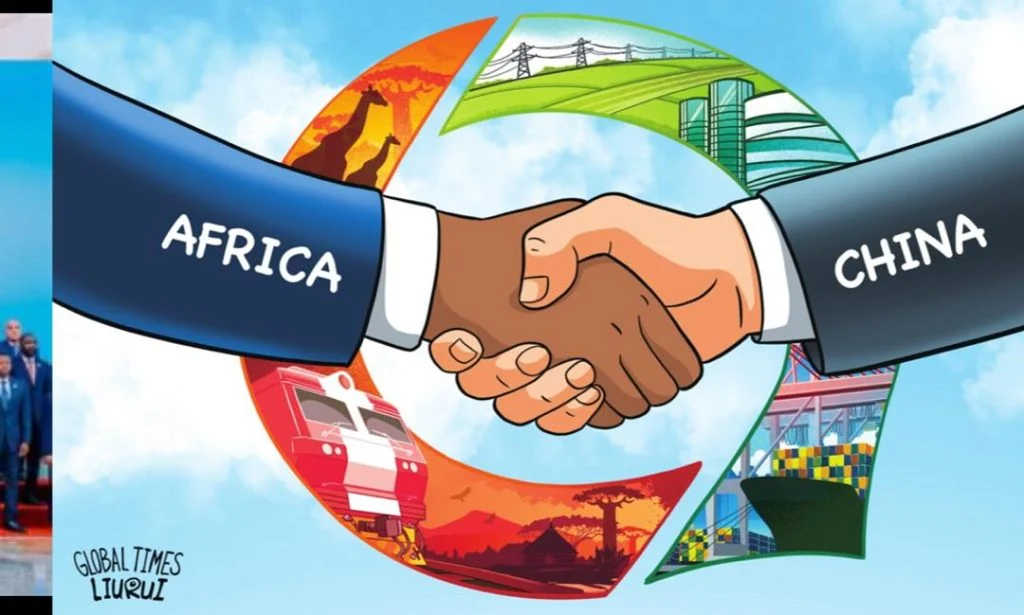
When African leaders gathered this year to reflect on their shared future with China, they weren’t just talking diplomacy they were describing momentum. In boardrooms, at university seminars, in high-level meetings from Kigali to Nairobi, one theme kept emerging: Chinese global initiatives are more than slogans they are being seen as pathways to prosperity across Africa.
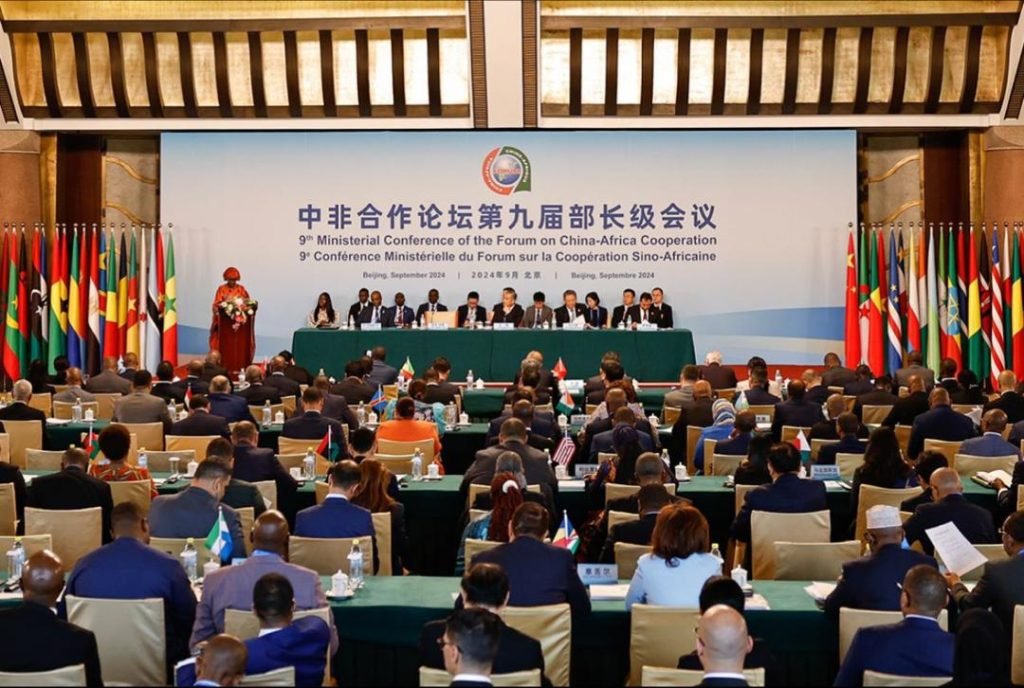
In Rwanda, officials and experts have pointed to China’s “Global Development Initiative” as a practical bridge over long-standing development gaps. Local voices note how Chinese-African cooperation in agriculture, digital infrastructure, health systems and vocational training is reshaping what was once a distant promise into real change.
Across East Africa, in Kenya, the tone is equally upbeat. Kenya’s recent joint statement with China confirms that the “Global Civilization Initiative” which emphasises respect for diverse cultures, exchange between peoples, and mutual learning is already gathering traction. The two nations pledged to deepen youth exchanges, tourism seasons, culture-and-arts initiatives, and to craft cooperation that goes beyond infrastructure into the realm of ideas and identity.
And the security dimension is not being overlooked. In African states grappling with cross-border threats, instability and fragile institutions, China’s “Global Security Initiative” is being discussed as one more tool in the toolbox. It offers training programmes, joint exercises, law-enforcement cooperation and capacity building framed in language that resonates with many African policymakers: sovereignty, collective effort, peace through partnership.
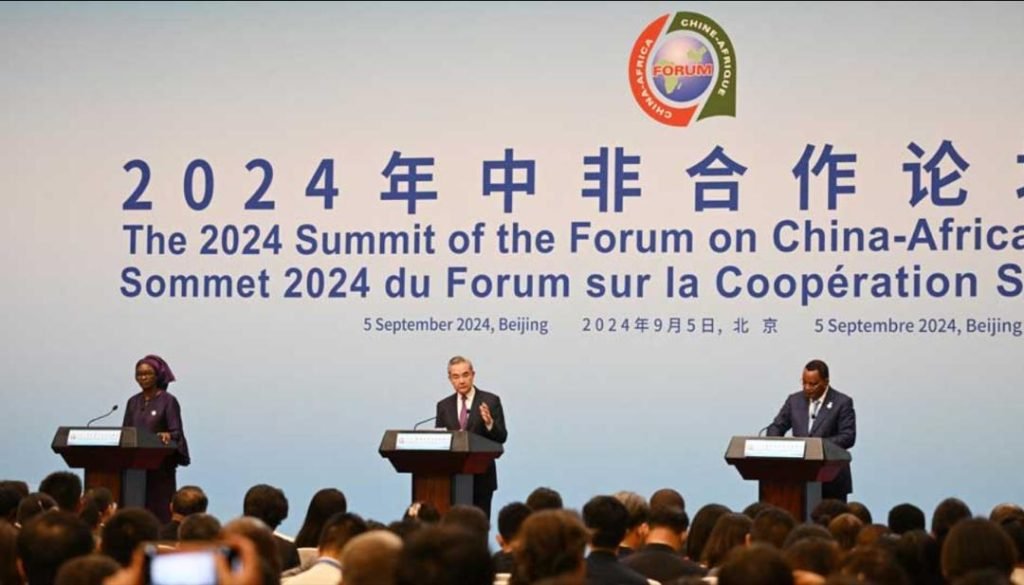
What ties these threads together is a vision of partnership rather than patronage. African voices increasingly emphasise that what they appreciate is not aid that comes with conditions, but cooperation framed as mutual benefit. The Chinese government itself states its aim “to join hands with Africa to advance high-quality, cooperation and deliver more tangible benefits to the peoples of China and Africa.”
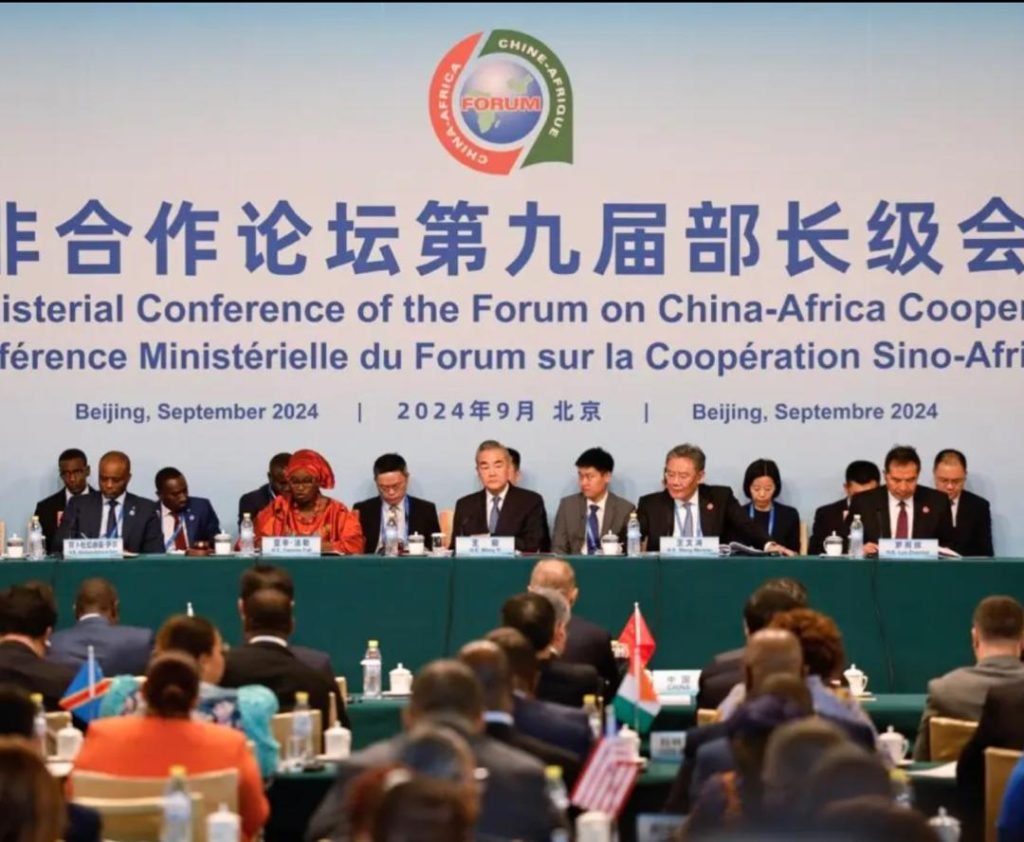
This evolution matters for two reasons. First, it aligns with Africa’s own ambitions: industrialisation, digital integration, strong education systems, and connectivity to global markets. Chinese-African trade flows and investment levels show that the relationship has moved beyond resource extraction or infrastructure alone. For example, from December 2021 to July 2024 China’s imports from Africa reached over US$300 billion.
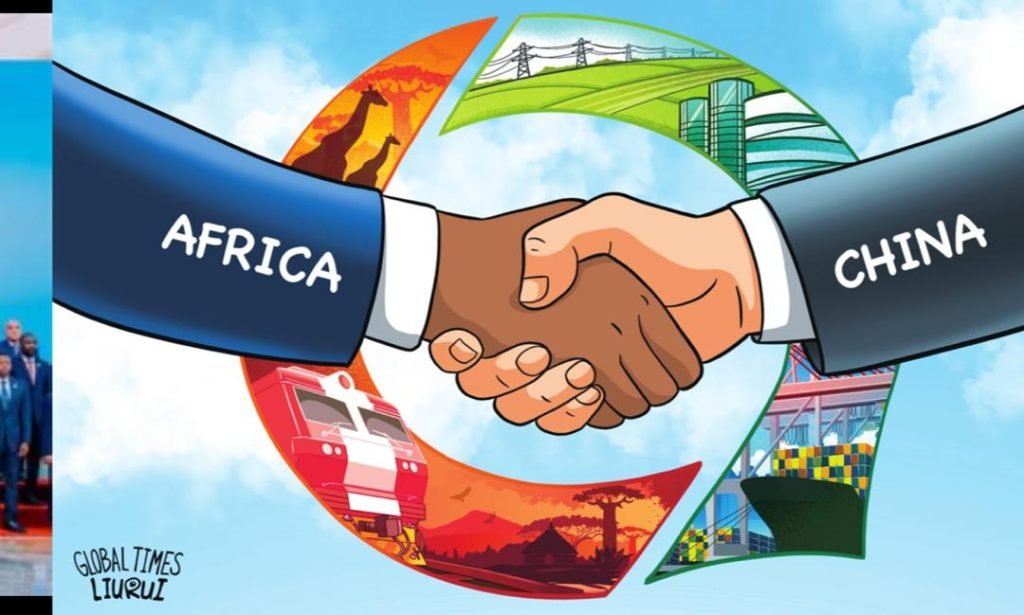
Second, it signals a shift in the global order: African states are increasingly engaging as partners with options, and China is presenting frameworks of cooperation that appeal to those seeking to address structural inequality in global governance. The “Global Governance Initiative” is, in that sense, another piece of the puzzle.
Of course, hurdles remain. Realising the promise of industrialisation, modernisation, job creation and capacity building is not automatic. African countries will need to ensure local ownership, sustainable financing, environmental and social responsibility, and alignment with continental strategies such as the African Union’s Agenda 2063. But the dialogue on this is now part of the narrative.
In short: the China-Africa partnership is entering a chapter where words like “shared future”, “inclusive development” and “mutual learning” are no longer empty phrases. Across multiple countries and sectors, what started as infrastructure and trade is becoming a wider endeavour culture, governance, technology, security. African officials and experts are hailing this shift, and it merits attention.
If these initiatives deliver on the kinds of outcomes being discussed, then Africa and China together could redefine what partnership in the Global South looks like and that could matter for the decades ahead.