
By Senior Editor, China Africa News
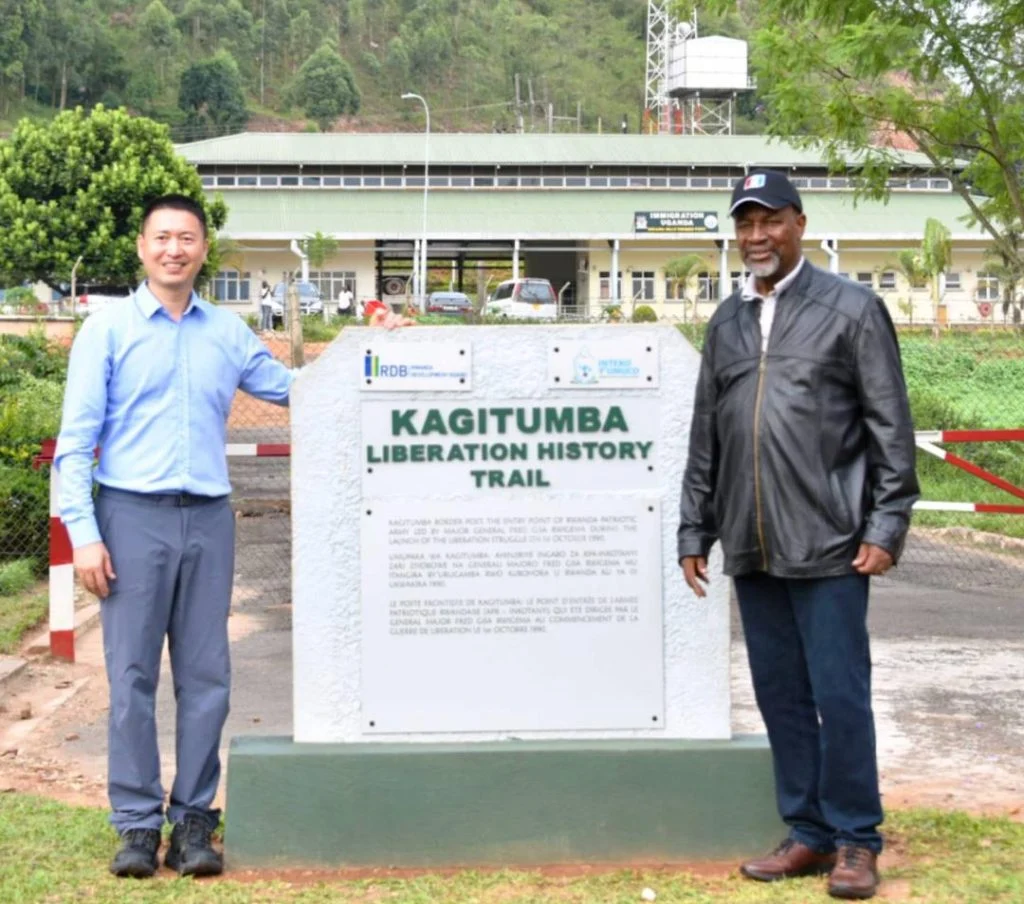
Kigali, Rwanda- On October 25-26, Gao Wenqi, China’s ambassador to Rwanda, and a delegation of young Chinese diplomats undertook a tour of the liberation trail in Rwanda’s Eastern and Northern Provinces. They visited key historical sites where the Rwandan struggle for liberation unfolded, stopping to lay wreaths, meet local survivors and veterans, and engage with community members deeply connected to those events. In his remarks, Ambassador Gao drew parallels between Rwanda’s long march to freedom and China’s own revolutionary journey, underscoring the shared values of perseverance, sacrifice and national renewal.
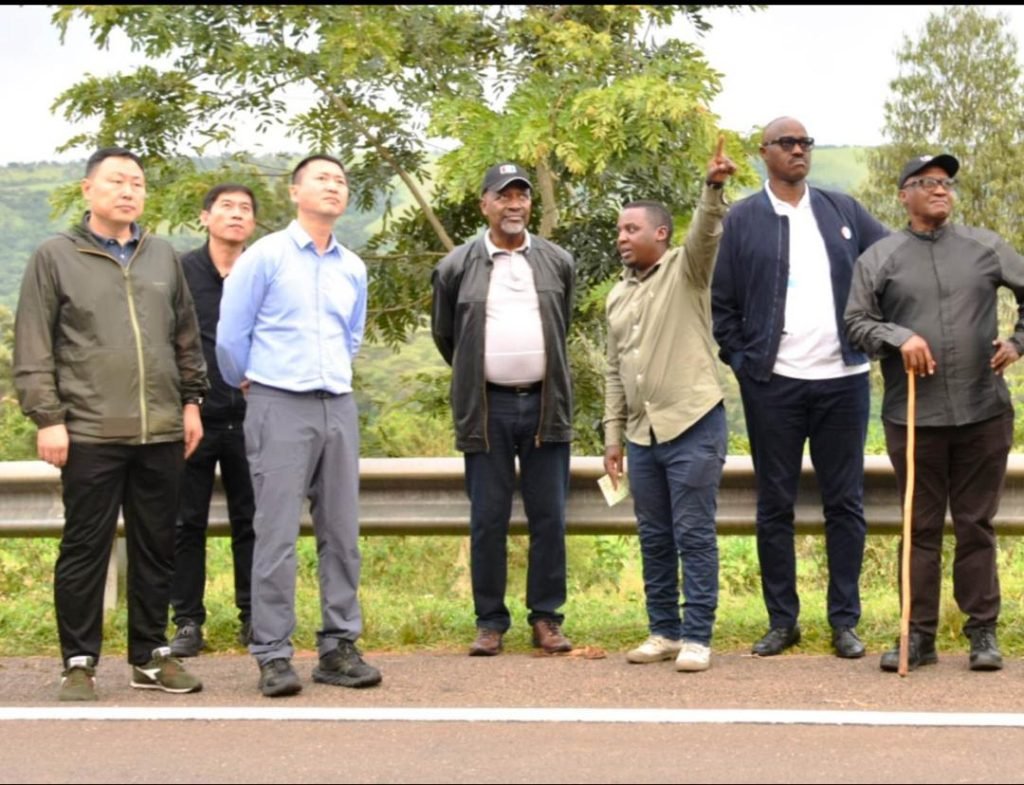
This visit is more than symbolic. By physically walking the same paths once trod by liberation fighters, the Chinese delegation affirms that the memory of struggle still resonates both in Rwanda and abroad. For Rwanda, it is a moment of recognition: a foreign partner acknowledging the nation’s foundational story, aligning itself with its identity, and signalling respect. For China, the gesture is a reaffirmation of solidarity with an African partner, a subtle but deliberate act of diplomacy that reaches beyond trade and infrastructure to the realm of memory, values and shared history.
Yet beneath this gesture lie deeper reflections. There is a convergence of narratives: Rwanda celebrates its liberation struggle that toppled tyranny and rebuilt a nation; China remembers its own prolonged fight for national independence and its emergence onto the world stage. Ambassador Gao’s choice of wordsd rawing connection between the “profound Rwanda liberation journey” and “China’s long march” suggests the two countries see in each other not only current cooperation, but a mirrored past of resistance, renewal and collective aspiration. That mirror can be a powerful basis for partnership, but it also invites scrutiny.
On one hand, the visit may foster stronger people-to-people ties, strengthen cultural affinity, and solidify the political rapport between the two capitals. It gives Rwanda the opportunity to highlight its own story on a diplomatic stage and invites China to position itself not only as an investor but as a friend who honours history. On the other hand, the risk is that such gestures become symbolic theatre unless matched by sustained, substantive engagement that benefits local communities, preserves historical memory in meaningful ways, and avoids reducing the narrative to a diplomatic photo‐op.
Looking ahead, the potential is vivid. If China and Rwanda build on this moment, they could expand collaboration into educational exchange (especially around the history of liberation, governance and development), joint heritage preservation projects (liberation trails, memorials, archives), and inclusive cultural programmes that engage young people from both nations. For Rwanda, engagement should include ensuring its local communities along the liberation trail benefit from tourism, heritage investments, and a share of the attention that comes with international recognition. For China, backing such heritage and people-centred initiatives will deepen its African partnership beyond infrastructure and economics, giving it a narrative dimension that resonates.