
By Senior Editor, China Africa News
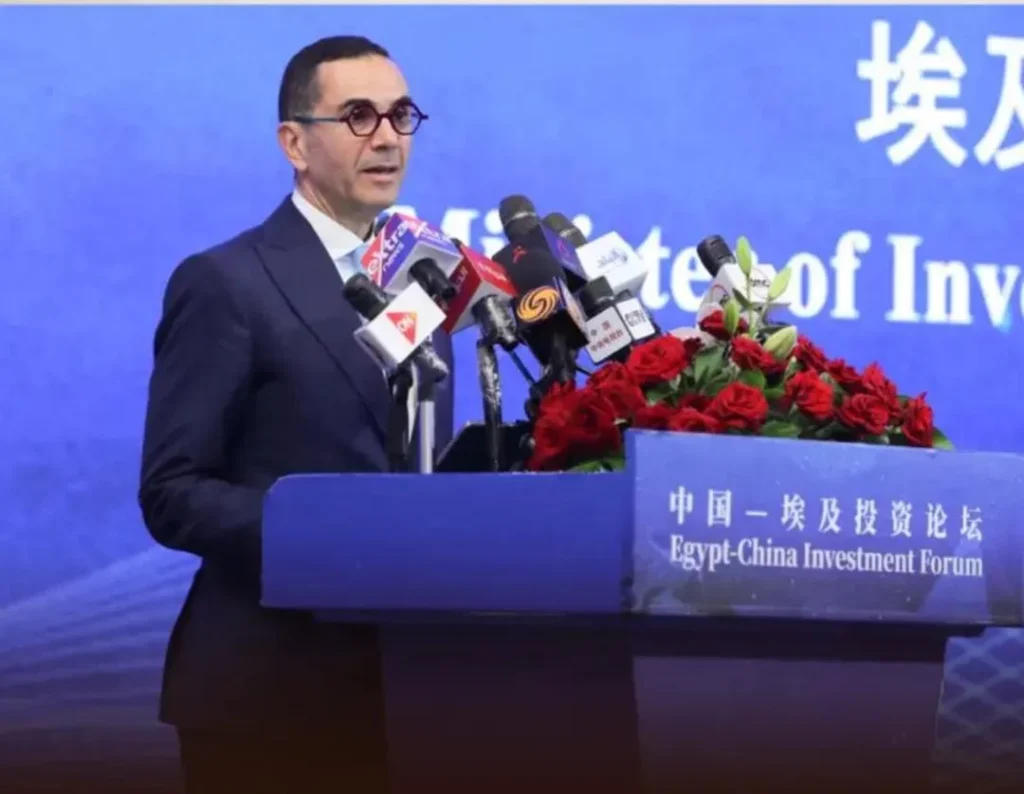
Cairo,Egypt’s Minister of Investment and Foreign Trade, Hassan El‑Khatib, recently made a bold case: Egypt is now a prime destination for Chinese investors, offering “major opportunities” as the two countries deepen their economic partnership.
Speaking at the Egypt‑China Investment Forum in Cairo, he underscored that more than 2,800 Chinese companies are active in Egypt, with cumulative investments exceeding US$ 8 billion.

El‑Khatib pointed out that trade between Egypt and China reached some US$ 16 billion in 2024, a sign of growing economic integration. He emphasized that Egypt doesn’t see this simply as transactional: for Cairo, the relationship with Beijing is a “comprehensive partnership based on mutual interests and sustainable balance.”
He laid out Egypt’s next phase of cooperation: attracting more Chinese investment, expanding joint production for export, and enhancing value‑added manufacturing. He sees Egyptian‑Chinese collaboration as a way to strengthen local industry, drive exports, and integrate into global supply chains.
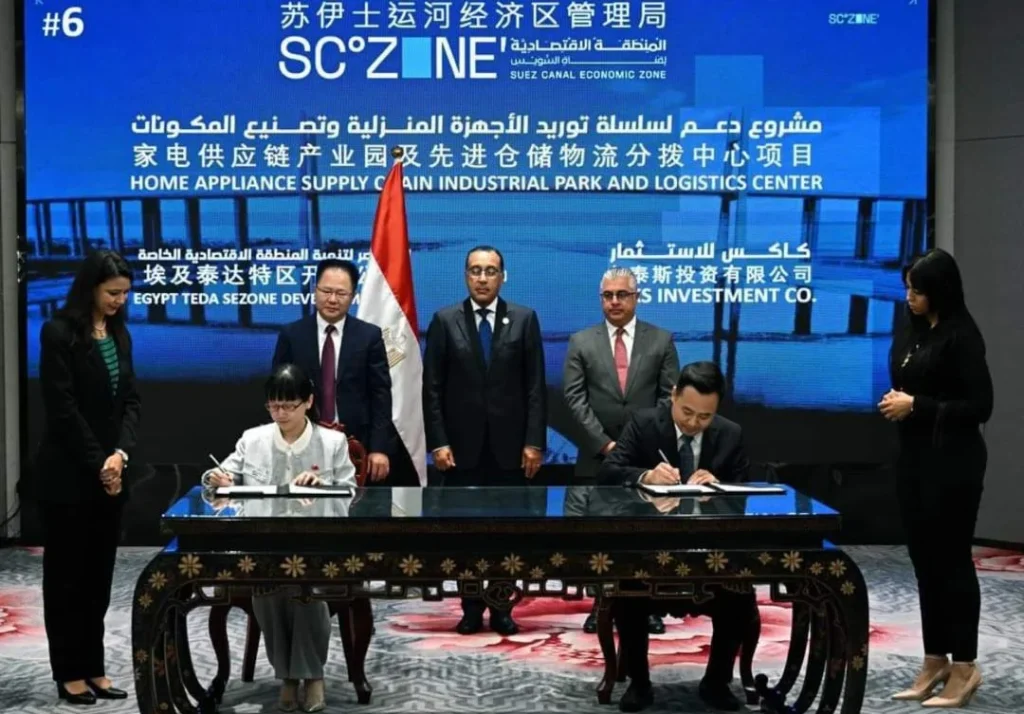
El‑Khatib also highlighted several major cooperative ventures.
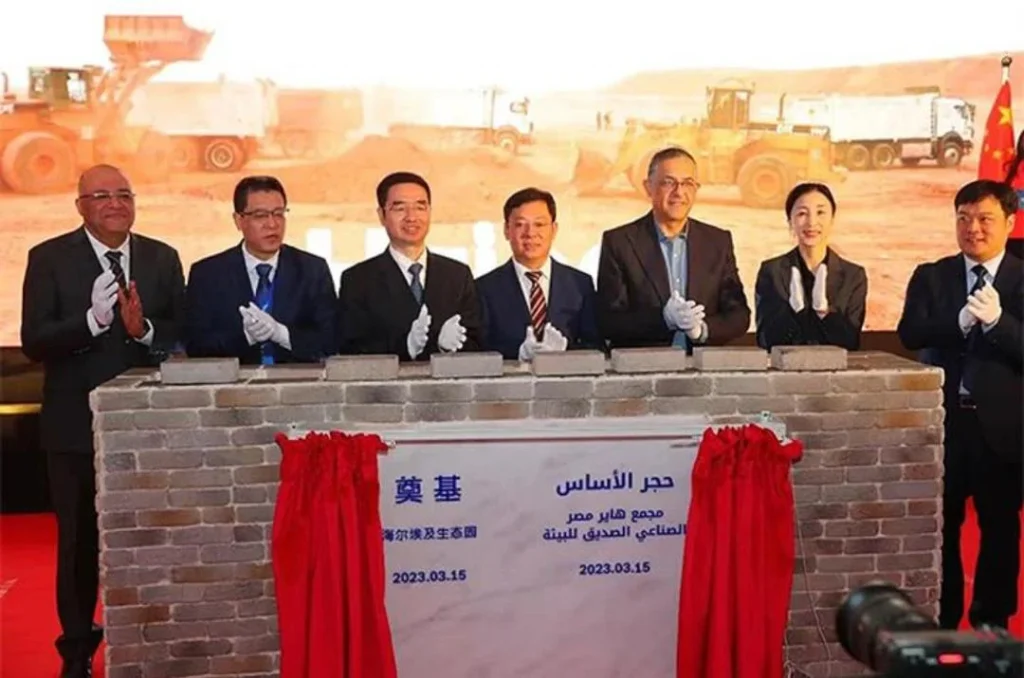
The TEDA industrial zone in the Suez Canal Economic Zone has become a showcase for Chinese‑Egyptian industrial cooperation, and Chinese firms such as Haier and Mideahave already helped build up local manufacturing capacity.
Beyond that, Chinese companies have played early roles in Egypt’s big infrastructure projects: the New Administrative Capital, New Alamein City, and a high‑speed electric rail line all count Chinese backing.
To make investment smoother, Egypt has established a special “China Unit” within its General Authority for Investment and Free Zones (GAFI).
This unit provides Chinese investors with regulatory guidance, data on business opportunities, and ongoing support once operations begin. El‑Khatib also revealed that Chinese companies can register in Egypt using the Chinese yuan, a move that simplifies financial flows and reduces currency friction.
The incentives don’t stop there. Egypt’s investment law allows 100% foreign ownership and guarantees equal treatment for foreign and domestic investors.
On top of that, the “Golden Licence” system a fast‑track approval mechanism has already been granted to major players like Haier and Midea, accelerating their projects.
From the Egyptian side, this is about more than capital: it’s about transformation. By deepening ties with China, Egypt hopes to industrialize more aggressively, localize advanced technologies (especially in automotive, renewables, and high-tech), and create more jobs.
For China, Egypt is far more than an export market it’s a strategic hub, offering a platform for manufacturing that can serve not only Egypt but also the Middle East, Africa, and Europe.
Yet, El‑Khatib is also candid about the risks. He sees the need to carefully manage regulation and ensure that the growth driven by Chinese capital remains balanced and sustainable not just in terms of profit, but also in social and environmental impact.
Still, the narrative he shared in Cairo was hopeful: Egyptian‑Chinese relations have evolved beyond pragmatic trade, into a shared development vision. With Egypt aligning its Vision 2030 and reform agenda with China’s Belt and Road Initiative, both sides seem determined to turn economic ties into a foundation for long-term cooperation.