
By Senior Editor, China Africa News
Luanda, As European and African leaders declared a renewed commitment to cooperation, trade and sustainable development under the banner of multilateralism, one reality quietly shaped much of the atmosphere: China’s long shadow over Africa’s infrastructure, investment and debt history.
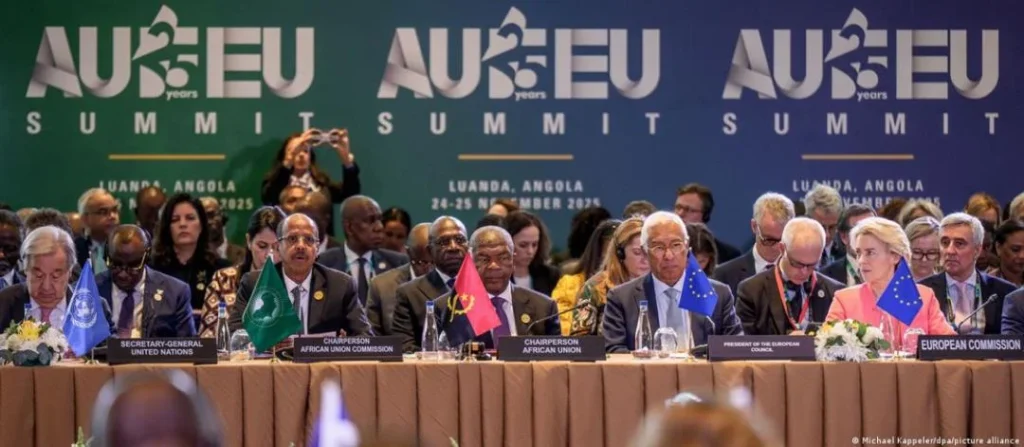
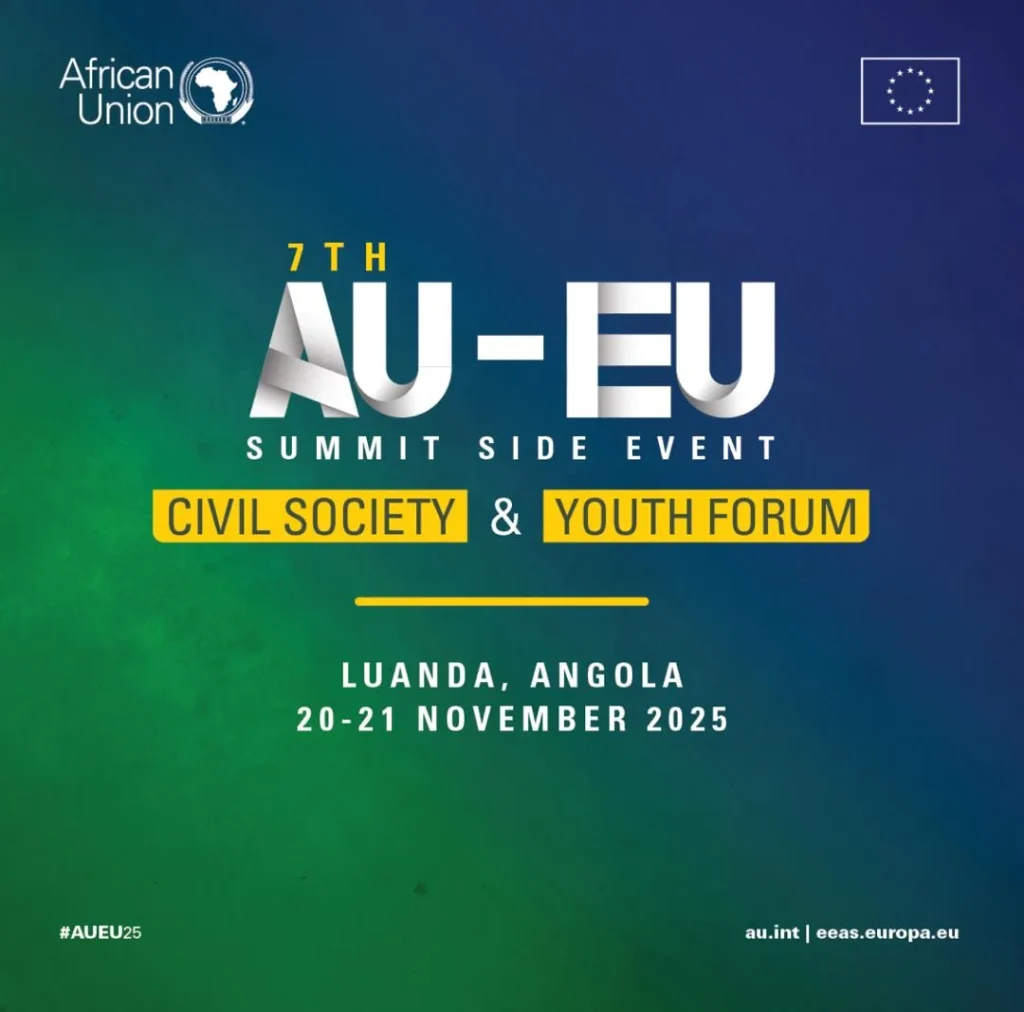
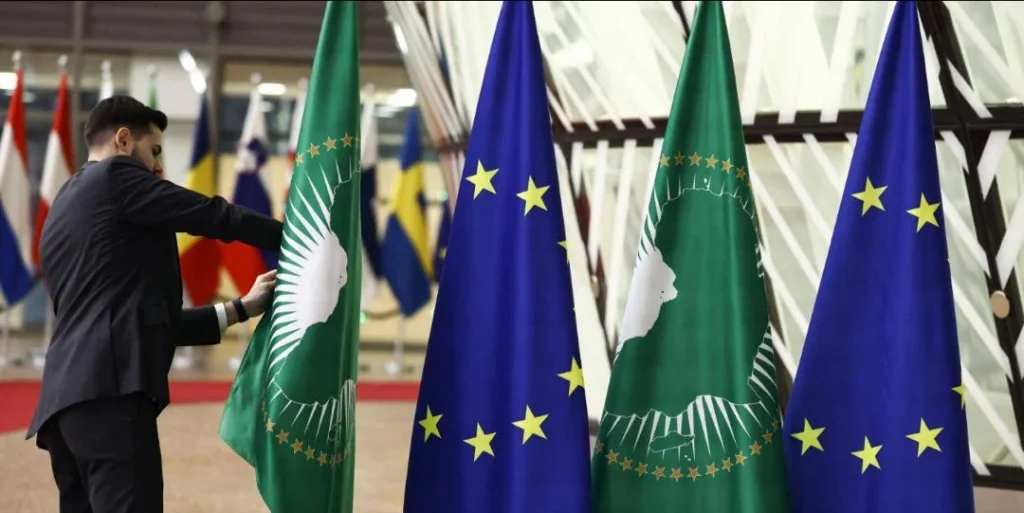
The summit, convened on 24–25 November 2025, marked 25 years of partnership between the European Union (EU) and the African Union (AU). Leaders from both continents committed to boosting trade, enabling green-energy transition, reinforcing connectivity and creating value-added industries across Africa.
Among the key projects touted was the €150 billion Global Gateway Investment Package a plan designed to finance critical infrastructure, energy and digital projects, and to help African economies move beyond raw-commodity export toward greater processing and industrialization.
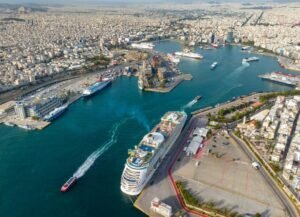
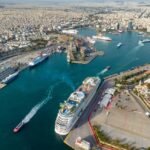
Yet beneath this optimism lay a tacit acknowledgment shared by many in the room: Europe’s overture cannot be divorced from the reality of China’s decades-long engagement across Africa, and particularly in Angola. Much of Angola’s modern infrastructure from ports and roads to even the new airport in its capital owes its existence to funding and construction under the Belt and Road Initiative (BRI).
For observers of yesterday’s summit, the logic was clear: the EU’s new push is as much about giving African countries alternatives as it is about forging new partnerships. The effort to build the so-called “Lobito Corridor,” connect mineral-rich hinterlands to Atlantic ports, and frame deals around local value creation not just resource extraction speaks to a desire to offer a different development model.
Many African nations, including those deeply intertwined with China’s economic orbit, appeared ready to recalibrate. Angola’s leadership suggested a willingness to “open to the world,” implicitly acknowledging that dependency on any single partner and especially on China carries risks.
But this balancing act is not easy. China’s appeal lies precisely in speed, scale and simplicity: large loans, fast infrastructure delivery, and fewer bureaucratic or political constraints than often come with Western aid. By contrast, the EU’s approach involving standards, environmental and governance conditions, and long-term value creation may be slower, but potentially more sustainable.
In this light, yesterday’s summit in Luanda may well be seen not just as a renewal of EU-Africa ties but as part of a broader strategic contest for influence in Africa.
Europe seeks to reassert itself as a reliable, long-term partner; Africa seeks to diversify; and China remains the benchmark — the reference point against which alternatives are measured.
In the days ahead, the true test will be whether pledges made around boardroom tables translate into real, on-the-ground transformation new railways and ports operated under African management, green-energy projects serving communities, and economic ecosystems that keep more value in African hands.
If that happens, the summit may go down not just as another diplomatic meeting, but as a turning point in Africa’s evolving global partnerships.