
By Senior Editor,China Africa News
Shanghai-The 2025 CIIE closed its doors in Shanghai after a busy week of deals, displays and new opportunities and for African exporters, it delivered more than hope.
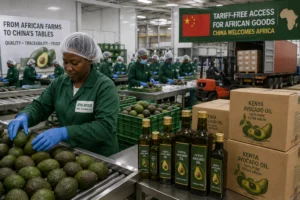
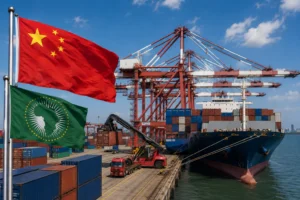
With China’s expanded zero-tariff policy and the introduction of a dedicated LDC (least developed countries) zone, African producers finally gained concrete access to one of the world’s largest consumer markets under favourable conditions.
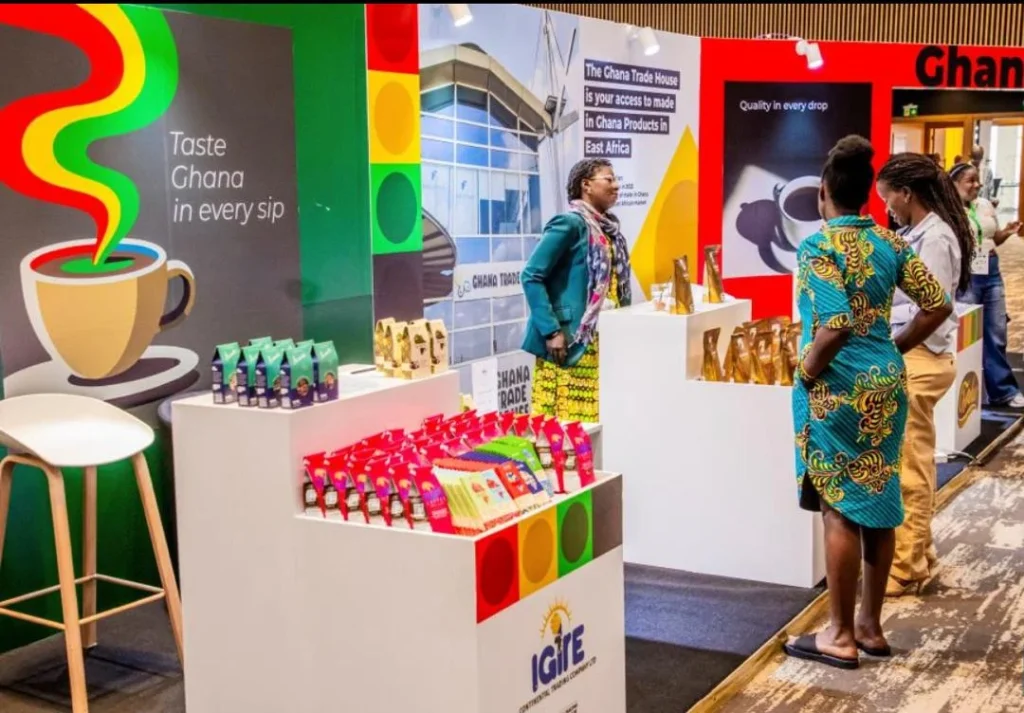
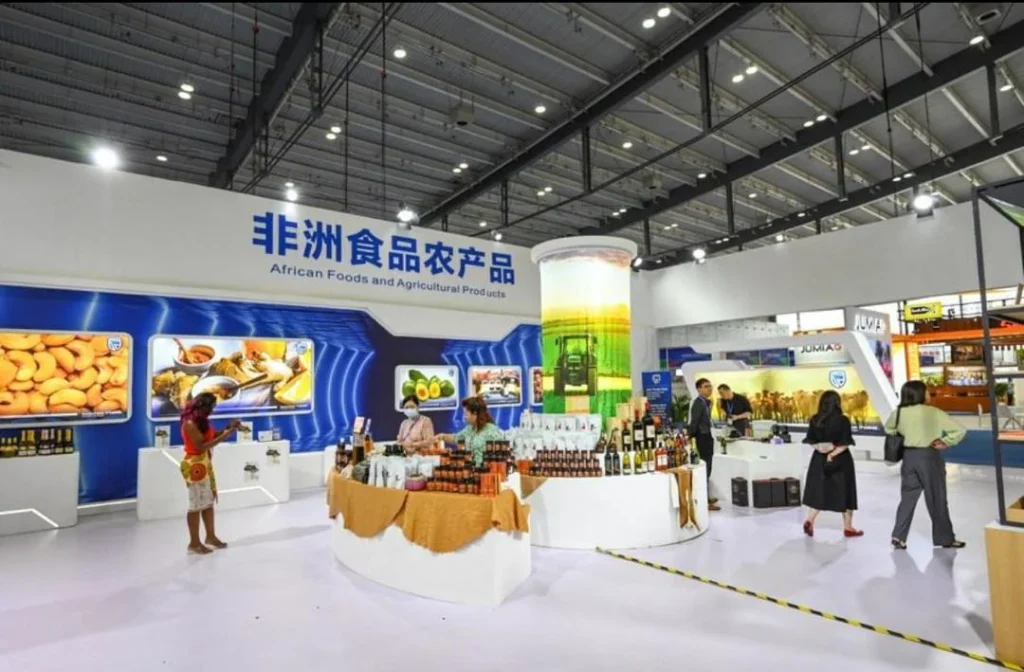
Exhibitors from across the continent from East Africa’s coffee growers to West Africa’s cashew and shea processors saw their products move from sample showcases to real business contracts.
In booths that just a few years ago might have displayed raw produce, one now sees roasted coffee, packaged spices, dried fruits, handcrafted goods deliberately designed for consumer shelves, not just commodity bins.
For many African small and medium-sized enterprises (SMEs), this year’s expo marked a turning point: a Ugandan coffee brand, for instance, welcomed Chinese buyers drawn by the aroma of freshly roasted Arabica beans under tariff-free terms.
The sheer scale of participation was telling: African enterprises increased by some 80 % year-on-year, while 163 companies from LDCs joined a 23.5 % rise compared to the previous edition.
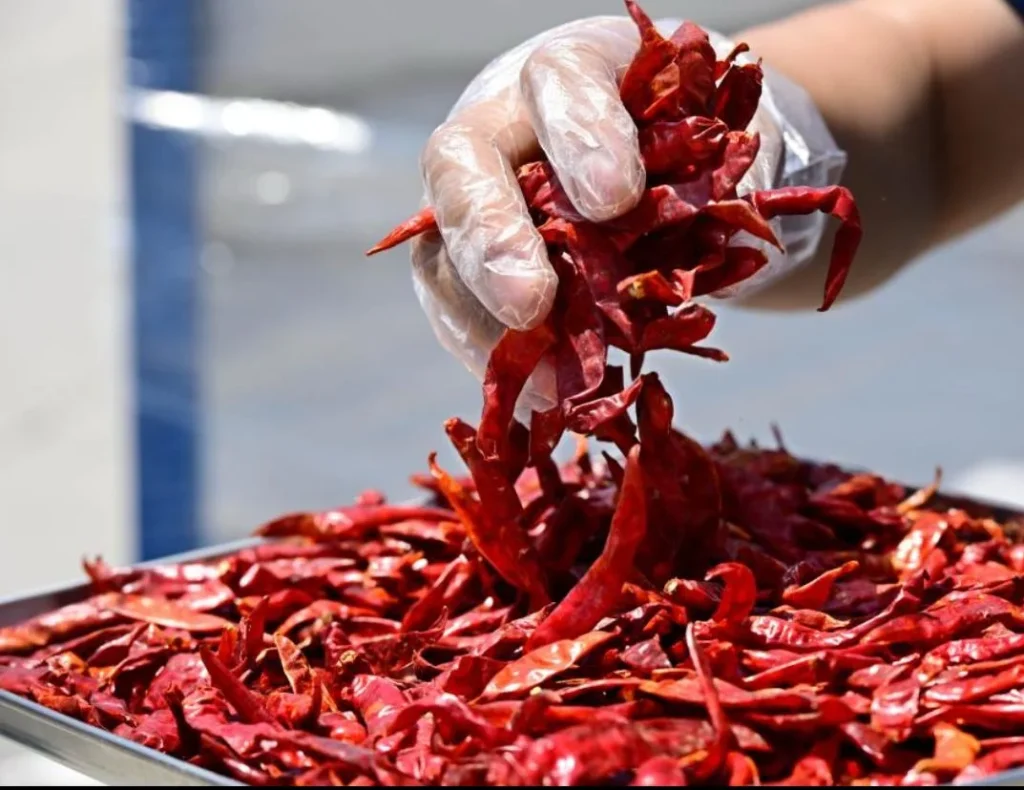
From Rwanda’s dried chili and coffee to Benin’s shea butter, Senegalese peanuts or Ethiopian coffee products once destined for raw-commodity markets are now being rebranded for consumers.
This reflects a broader, structural shift: Africa is gradually moving from exporting raw materials toward delivering value-added goods, ready for retail shelves in China. That shift brings higher margins, potential for scale, and importantly more stable trade relationships.
On China’s side, the gains are strategic. By welcoming this wave of African imports under duty-free access, Chinese importers and consumers get diversified supplies of agricultural products, specialty foods, and natural goods everything from coffee, nuts, spices, dried fruits, to shea-butter products and tropical items. This helps broaden choices for China’s 1.4 billion consumers and reduces reliance on a few traditional sources.
Moreover, the launch of a “cross-border e-commerce platform” alongside the Expo means that many African exporters now have a gateway not only to traditional importers but directly to Chinese consumers online potentially opening large-scale, long-term demand.
What emerges from this CIIE is not just a snapshot of new deals, but a signal of deepening structural change: a transformation of Africa–China trade from raw-material transactions into diversified value-added exchanges, underpinned by institutional policy shifts and new trade channels.
Looking ahead, the future seems promising for African exporters who adapt those embracing value-added processing, packaging, branding, and digital sales may find China’s unprecedented demand for specialty goods a long-term growth engine.
For China, this influx of diversified imports strengthens supply-chain resilience and enriches consumer markets. If African producers build capacity, and Chinese importers stay open, what began as trade opportunity is shaping into a stable, mutually beneficial economic partnership.