
By Senior Editor, China Africa News
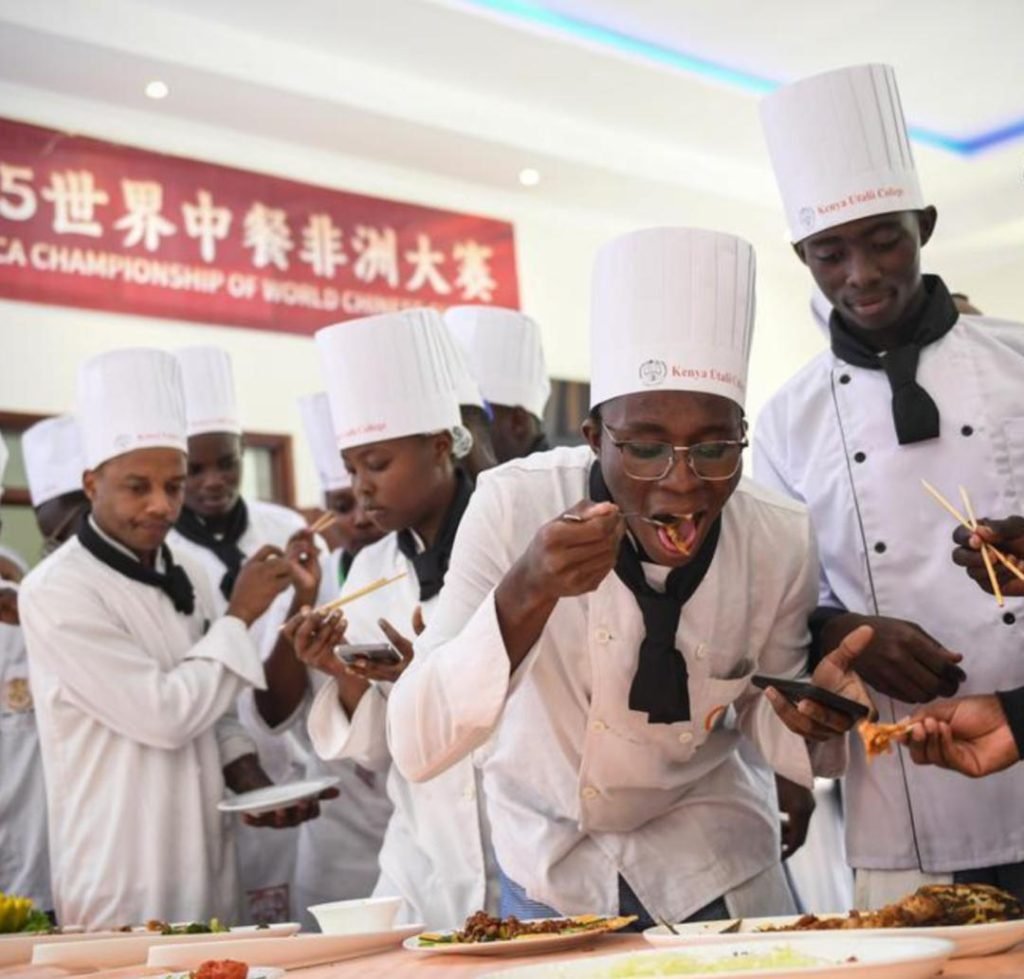
Nairobi, Kenya-In the buzzing kitchen halls of Kenya Utalii College, more than just dishes were being plated: approximately 45 teams 15 Kenyan, 15 Chinese and entries from Australia, Senegal, South Africa, Nigeria and the United States gathered for what was billed as Africa’s first continental championship of Chinese cuisine.
At first glance it was a cooking contest. But look more closely, and it becomes a micro-cosm of two nations Kenya and China leaning into each other’s strengths: China’s rich culinary tradition and Kenya’s burgeoning service, tourism and hospitality sector. It is culture meeting commerce; tradition meeting innovation.
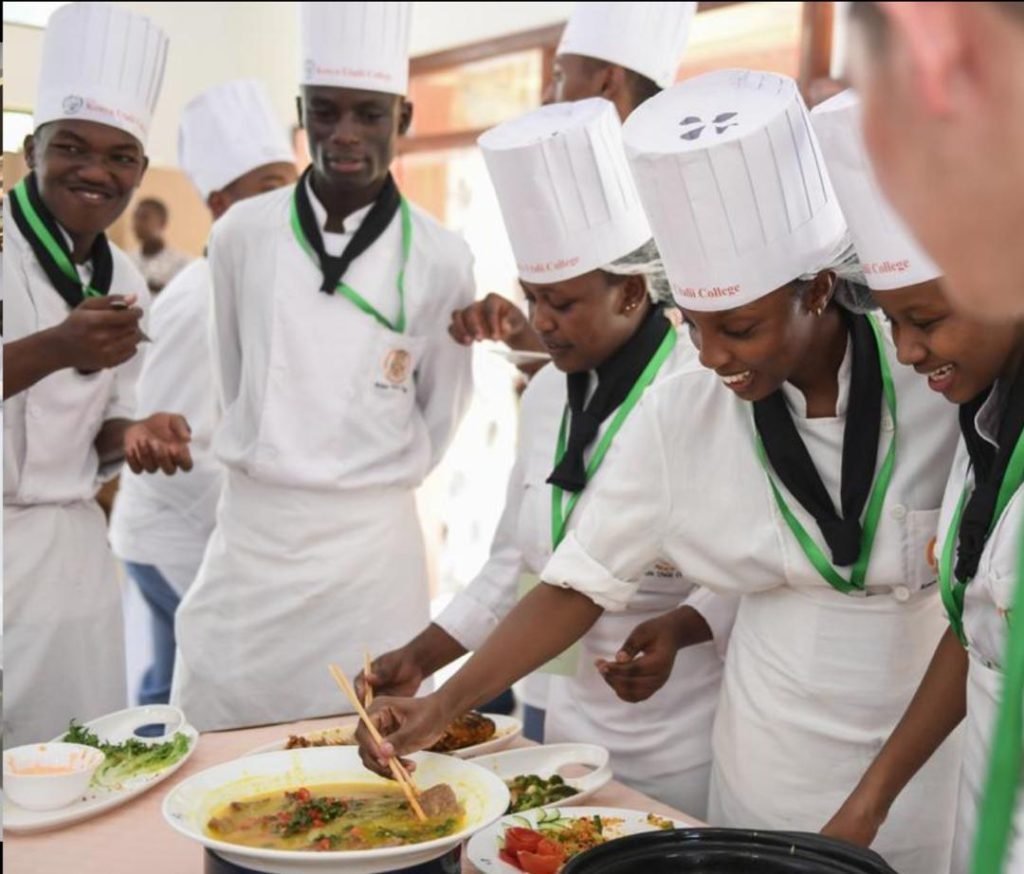
For Kenya, the championship offered a platform and a pipeline. Hosting the event at Kenya Utalii College signalled an ambition to deepen its presence in the global hospitality and culinary arena. Students and local chefs gained first-hand exposure to international standards and Chinese culinary techniques.
The benefits for Kenya are multi-fold: it boosts culinary tourism; it builds skills and jobs as Kenyan chefs stand shoulder-to-shoulder with Chinese teams; it opens business channels from ingredient sourcing to restaurant brands strengthening Kenya’s appeal as a hub for East-African hospitality investment; and it bolsters Kenya’s cultural soft power, positioning the country as a partner in China-Africa cooperation, not simply a recipient.
For China, cuisine becomes soft power and commerce becomes strategy. The flavour of dumplings, the ring of the wok, the rise of steam in bamboo baskets these are not just culinary traditions, they are tools of diplomacy and outreach. Chinese Ambassador Guo Haiyan said: “Cuisine is a reflection of civilisation, and food serves as a bridge of exchange.”
This championship in Kenya offers China a footprint in new markets; Kenya’s growing interest in Chinese flavours and the hospitality sector offers real commercial potential. In turn, China gains a base for broader engagement with Africa through gastronomy, services, tourism and cultural linkages.
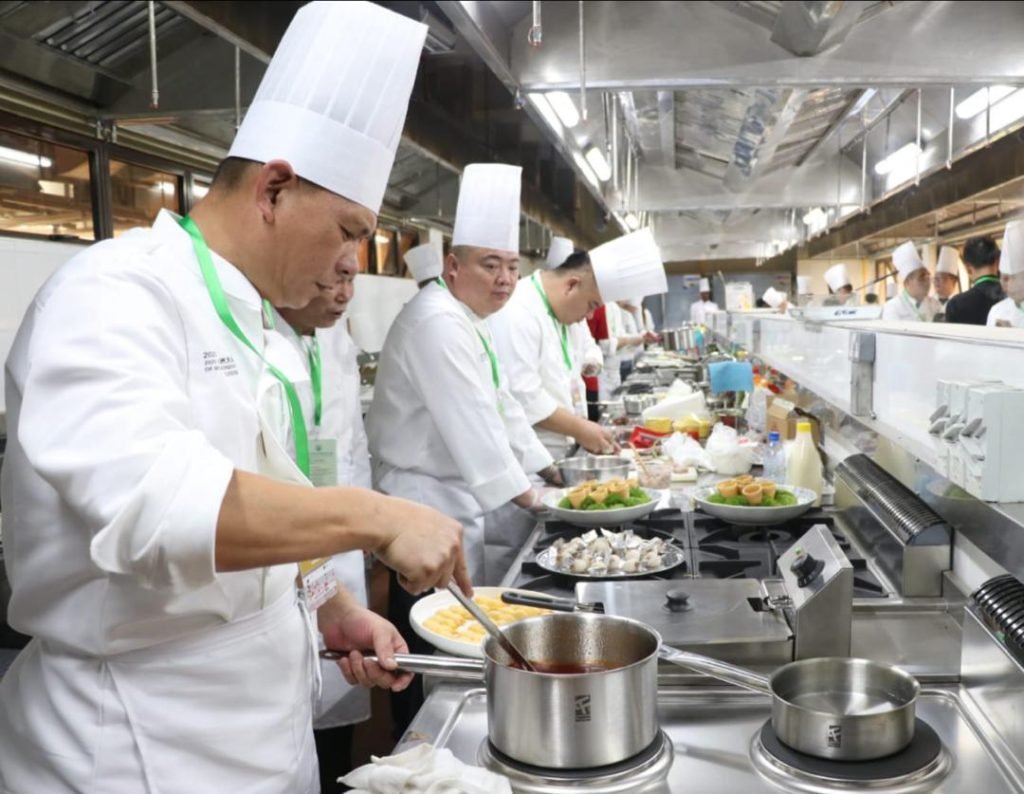
Where the two meet, fusion, innovation and reciprocity emerge. Judges evaluated mastery of Chinese techniques precise knife-cuts, wok control, steaming and seasoning but also encouraged creativity with African ingredients: local beef bones, indigenous spices, fresh local produce.
The convergence of Chinese culinary systems and African flavors isn’t just a novelty: it creates new menus, restaurants, tourism experiences and potential export pathways. Training and exchange programmes are already in motion: chef-exchange programmes, joint training academies, youth apprenticeships between Kenyan and Chinese institutions. This reciprocity turns what could be a one-way assimilation into a two-way enrichment.
Why this matters beyond the kitchen is worth emphasizing. In a global context where trade imbalances, cultural misunderstandings and narrowly defined partnerships often dominate headlines, this event offers a different narrative. It illustrates people-to-people diplomacy: two countries forging ties that go beyond infrastructure and trade deals, into culture, tradition and mutual respect. It supports economic diversification: for Kenya, building value in services and tourism; for China, exporting know-how and brand into new markets. It offers a model of cooperation: melding cultural heritage (Chinese cuisine) with local resources (Kenyan produce, hospitality talent) to create something new and shared.
Looking ahead: Will “African-Chinese fusion” become a restaurant concept across Kenya and beyond? Will Kenyan hospitality institutions formalize partnerships with Chinese culinary academies? Will local produce from Kenya find its way into Chinese catering networks creating new export and investment channels? Will similar championships or events roll out elsewhere in Africa, making the Kenyan-Chinese model a template?
When the dumplings were plated and the woks cooled down at Kenya Utalii College that late-October day, the real dish being served was cooperation and collaboration. The sizzle of the wok, the punch of spice, the careful fold of dim-sum skins they were all gestures of culture reaching out, of tradition transforming, of two nations cooking up something more than just food. In the end, the real flavor was the promise: that food can indeed be a bridge not only between continents, but between futures.