

By Senior Editor,China Africa News
Johannesburg-Africa could, in theory, double its economic growth rate over the next four decades by adopting aspects of China’s long-term development model, according to economist Jeffrey Sachs, who outlined the projection during a recent lecture on global growth dynamics.
Sachs argued that China remains the strongest modern example of sustained high growth, driven by decades of coordinated investment in infrastructure, education and technological capacity.
For Africa, set to hold 25 percent of the world’s population by 2050 and 35 percent by 2100 the stakes are higher than ever. He stressed that only an urgent and large-scale effort to expand education, particularly through universal digital access for students, will allow the continent to convert its demographic boom into economic momentum.
Across much of Africa today, the picture is mixed. Several countries, including Ethiopia, Côte d’Ivoire, Rwanda and Tanzania, have posted steady growth over the past decade, buoyed by infrastructure projects, urbanization and expanded service industries. Yet the continent as a whole continues to grow below the levels Sachs describes, with average rates fluctuating between 3 and 4 percent depending on global commodity prices and political stability.
Many governments are still recovering from fiscal pressures exacerbated by the pandemic, inflationary shocks and heavy debt burdens that leave little space for capital-intensive, long-term planning.
The challenges to meeting Sachs’s projection are substantial. Education systems across the continent remain strained, with high teacher-to-student ratios and limited digital access in many rural regions. Energy shortages and unreliable electricity grids complicate industrialization and technological adoption. Political instability in parts of the Sahel, Horn of Africa and Great Lakes region further disrupts investment confidence.
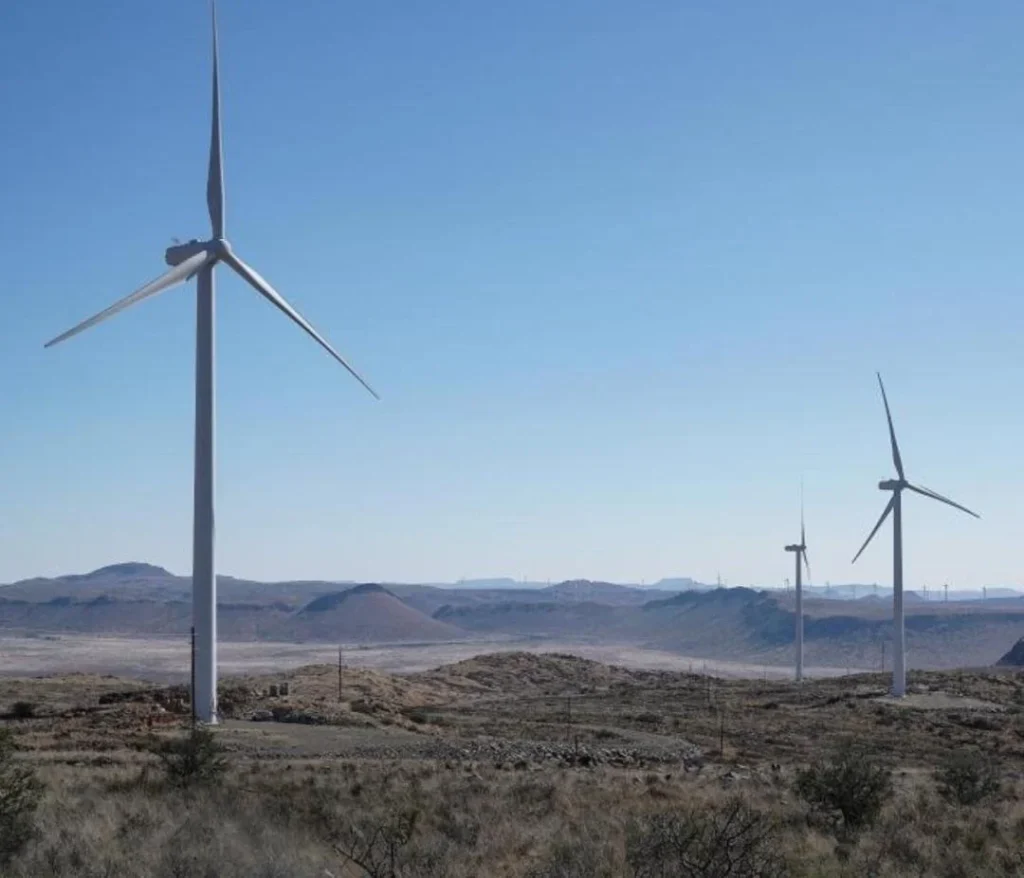
Infrastructure gaps from transport to broadband continue to widen as populations grow faster than governments can build. Debt distress is another mounting barrier, with several countries renegotiating or restructuring obligations just to maintain essential services.
While the demographic outlook offers immense potential, the outcome will hinge on how effectively African governments and international partners confront these obstacles.
Sachs’s projection paints an ambitious vision of what is possible if the continent can follow a coordinated, long-term path of investment similar to China’s. But without significant reforms, improvements in governance, and predictable financing mechanisms, the gap between possibility and reality could widen.
The coming decades will determine whether Africa becomes the next engine of global growth or remains constrained by structural challenges that outpace its ambitions.