
By Senior Editor, China Africa News
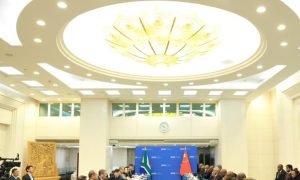
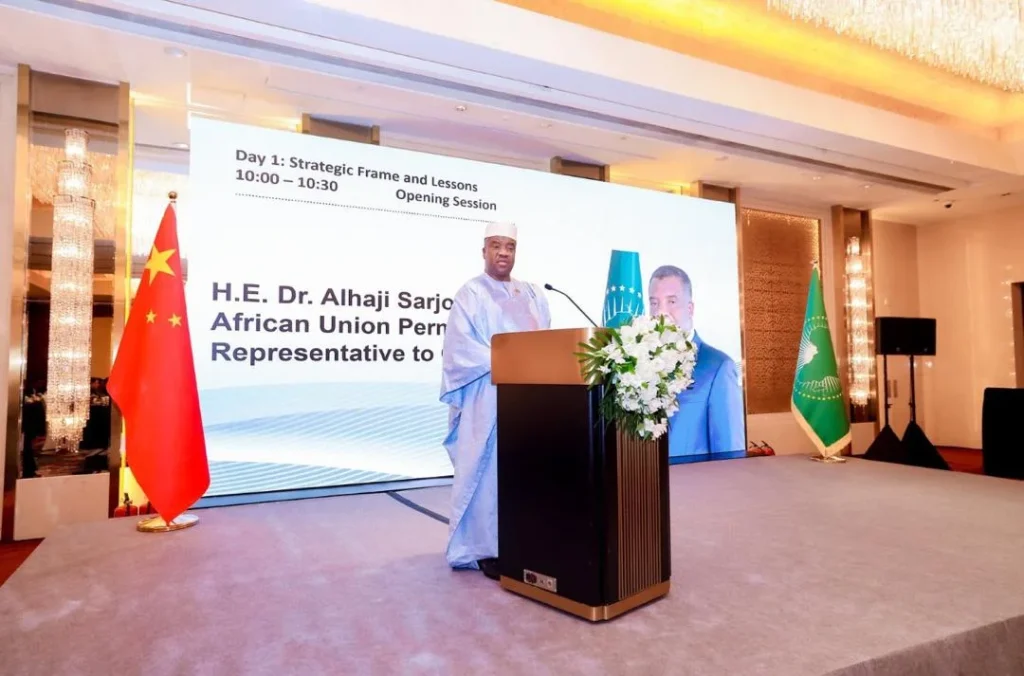
Beijing-A group of African ambassadors has convened in Beijing at a retreat organised by the African Union Permanent Mission to China together with the broader African diplomatic group in China and the timing of the meeting could not be more important.
With trade between China and Africa hitting a new high in 2024, and with fresh pledges from the latest Forum on China–Africa Cooperation (FOCAC) Summit, this gathering aims to map how the promised cooperation can be translated into real, continent‑wide benefits.
Trade between China and Africa reached roughly US$ 295.6 billion in 2024, up nearly 5 % from 2023. Of that, China exported to Africa about US$ 178.8 billion mostly manufactured goods such as textiles, consumer electronics, machinery, and other finished products. Africa’s exports to China came to around US$ 116.8 billion, a 6.9 % increase over the previous year.
On the African side, what is shipped to China tends to be raw materials and primary commodities crude oil, minerals, metal ores (copper, iron, cobalt), and increasingly agricultural produce: avocados, cashews, sesame, spices, coffee, and other commodities. On the Chinese side, exports to Africa remain dominated by manufactured and finished goods.
That imbalance finished goods going out, raw materials coming in underscores why this retreat is being convened now. The leaders realise that while trade volumes are growing, the pattern tends to reinforce existing structural dependencies: Africa exports mostly raw materials while importing value‑added goods. Without strategic coordination, that limits the continent’s ability to industrialise, deepen value addition, and reap more from its resources.
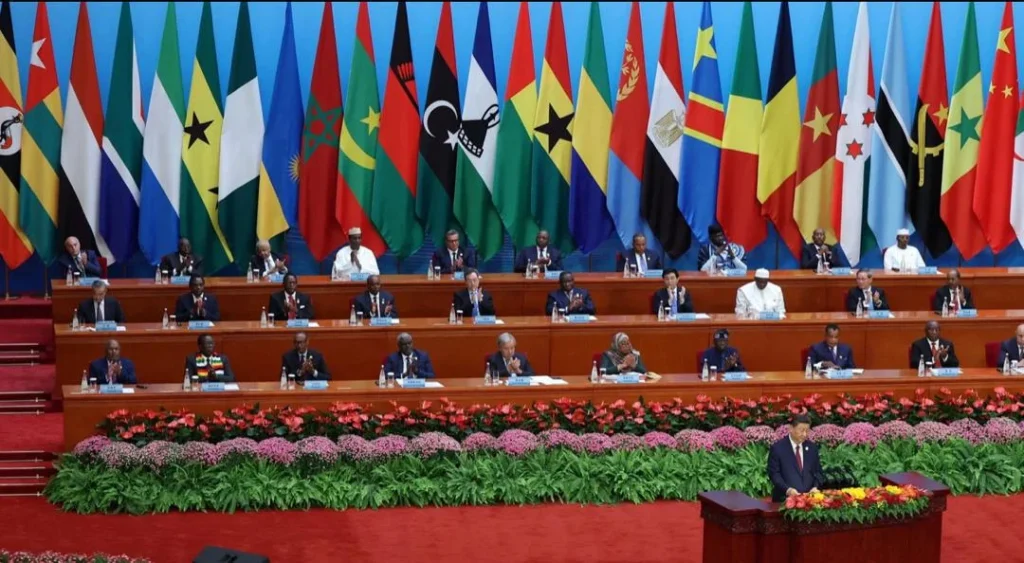
At this retreat, diplomats and AU‑linked institutions are expected to craft a coordinated roadmap to better synchronise the new FOCAC commitments including tariff reductions, trade‑financing mechanisms, and expanded market access with the continent’s long-term development goals under Agenda 2063.
If successful, the meeting could lead to more African‑led export diversification: pushing not only raw materials but processed goods agro‑processed foods, light manufacturing, finished agricultural products into China’s market, leveraging the recent tariff‑free access extended to many African exports.
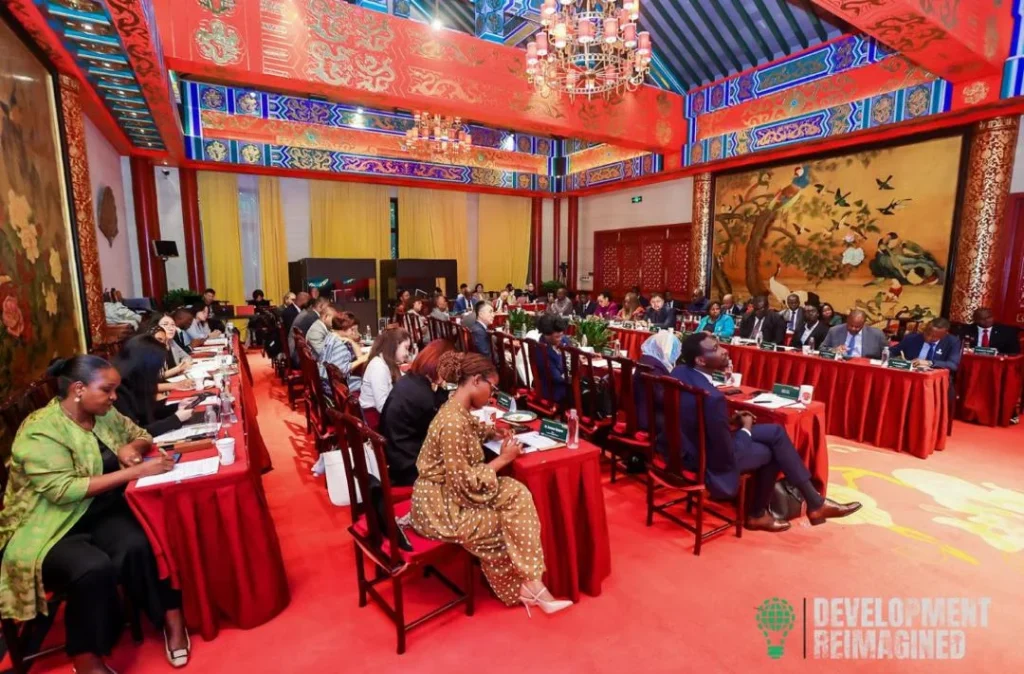
At the same time, the retreat might produce clearer institutional frameworks for monitoring, coordination, and ensuring that FOCAC‑backed investments respect African ownership, benefit labor markets, and support sustainable growth rather than deepen commodity dependence.
In short: behind the large trade numbers and summit pledges lies a strategic crossroads.
The question now is whether Africa through this Beijing retreat can shape a new trade and development narrative: one where exports mean more than raw materials, and cooperation becomes a lever for industrialisation, diversification, and long‑term self‑reliance.