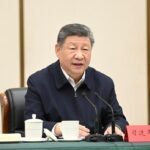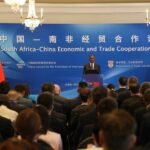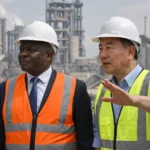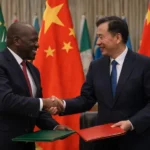

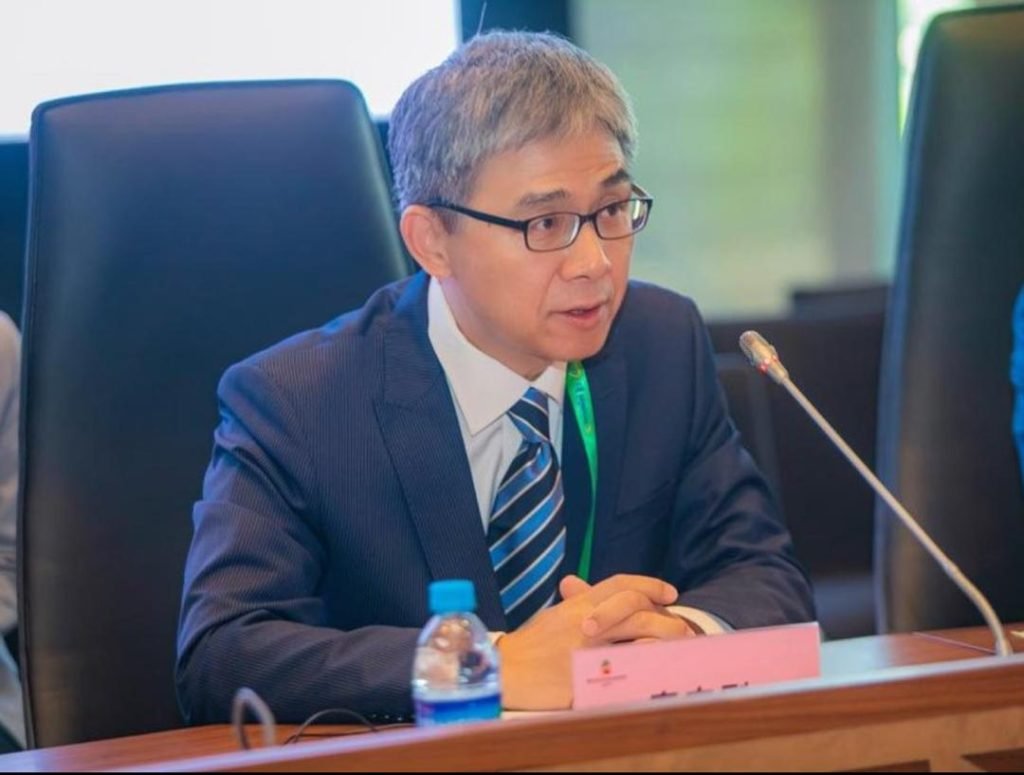
China and Senegal are entering a new chapter one defined less by diplomatic pageantry and more by tangible transformation. In Diamniadio, when Ambassador Li Zhigang spoke of shared ambition and real projects, he was not speaking in abstraction. What is unfolding is a partnership where Chinese enterprises are deeply embedded in Senegal’s drive to reimagine its energy, transport, and digital foundations.
In the energy sector, what matters is not just capacity but reach and resilience. Two 50 MW solar photovoltaic plants, each paired with 30 MW / 90 MWh battery storage, are being constructed to bring reliable power to nearly 2,000 rural villages. These are not merely new generators plugged into a grid; they are lifelines for communities long beyond the reach of stable electricity. If well designed and operated, they edge Senegal toward energy sovereignty less reliance on imported fuels, more stability in supply, and a platform for local development.
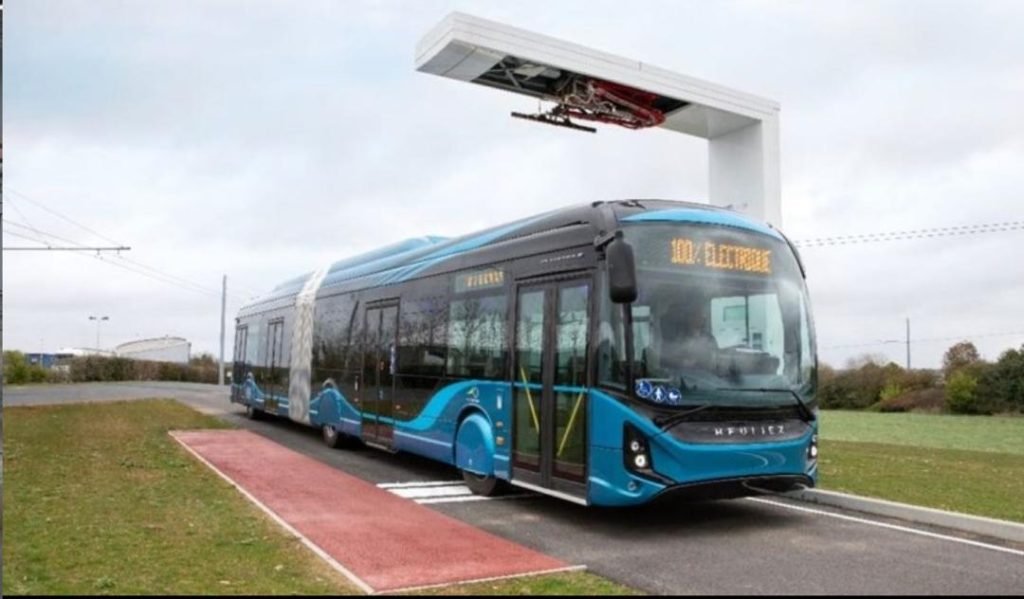
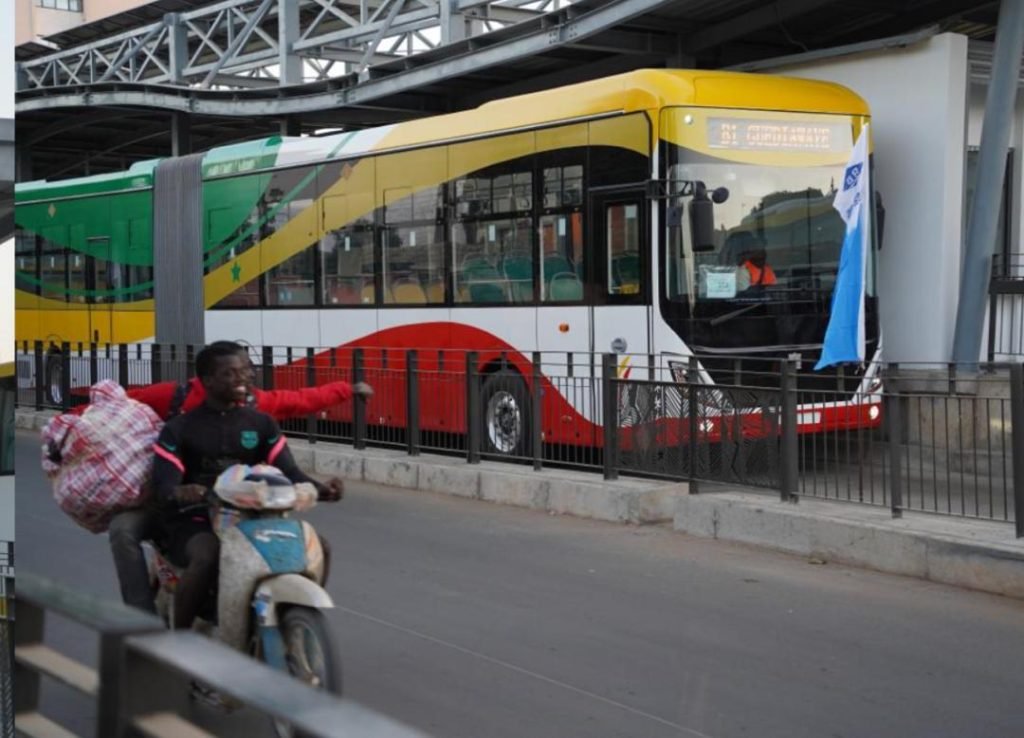
In Dakar, the shift is visible on the streets. An 18.3 km all-electric Bus Rapid Transit system with 23 stations, three hubs now carries hundreds of thousands of passengers daily. What was once a slow, diesel-bound commute has become faster, greener, more efficient. Chinese firms CRBC, CRRC brought not only capacity but know-how into building this backbone. More than a network of buses, this is a sign that mobility, urban planning, and emissions control are being taken seriously in Africa’s modern cities.
Yet Senegal aims to go further than importing buses. It plans a local assembly plant with Yutong and Zhenhuai Construction to begin producing both gas-powered and electric vehicles. The vision is industrial: to build not just a transport fleet, but a local automotive value chain. Such ambitions, if nurtured well, could create jobs, transfer skills, and keep value within Senegal’s borders.
Overlay all this with the digital infrastructure: cloud platforms, hybrid computing, data centers, and engineering training. Infrastructure is no longer just wires and panels; it is servers, software, and human capital. The cooperation with Chinese firms here is recognition that a modern economy must master its data as carefully as it does its roads and kilowatts.
Even bigger energy deals are in progress. A 500 MW solar-plus-storage station is poised to amplify Senegal’s clean energy goals, aligning with its national roadmap under the Emerging Senegal Plan 2050. These are not small gestures they are bets on a future where Senegal can power itself, at scale, cleanly.
These unfolding projects carry enormous promise: evenings with reliable light, cleaner air, more predictable public transit, and local jobs. But the promise is not guarantee. Senegal must negotiate wisely: secure financing terms that do not overburden future generations, ensure that contracts include strong local content and transfer of expertise, and safeguard environmental and social standards. A misstep could convert promise into dependency.
Crucially, infrastructure is not a one-time build. It must be maintained. The entities that build must also commit to long-term operation, spare parts, training, and continuous oversight. Communities must have voices during planning so what is built serves local priorities rather than top-down designs.
China’s role is deep and complex. It must act not as a contractor but as a partner. Senegal, for its part, must avoid placing all its eggs in one basket. It should balance relationships, encourage domestic capacity, and push for transparent, equitable deals.
If Senegal manages to weave these pieces energy, transport, digital, human capital into a coherent whole, it may not just change its skyline but its trajectory. This cooperation with China could become a model not of dependency, but of mutual ambition meeting local agency. The real measure will not be megawatts or kilometers of road, but in lives changed, economies diversified, and sovereignty deepened.