
By Senior Reporter,China Africa News
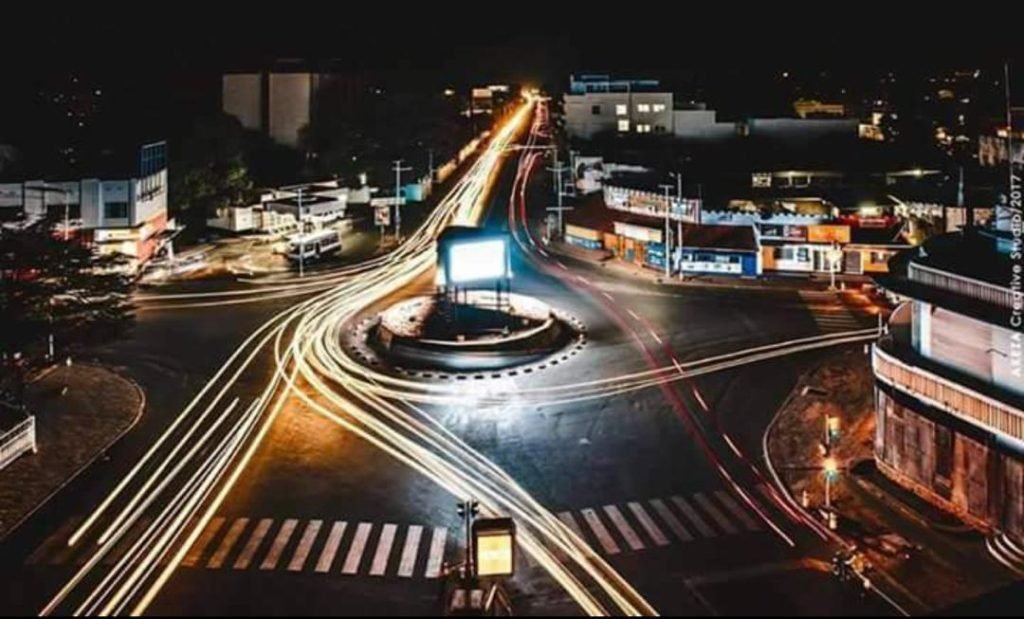
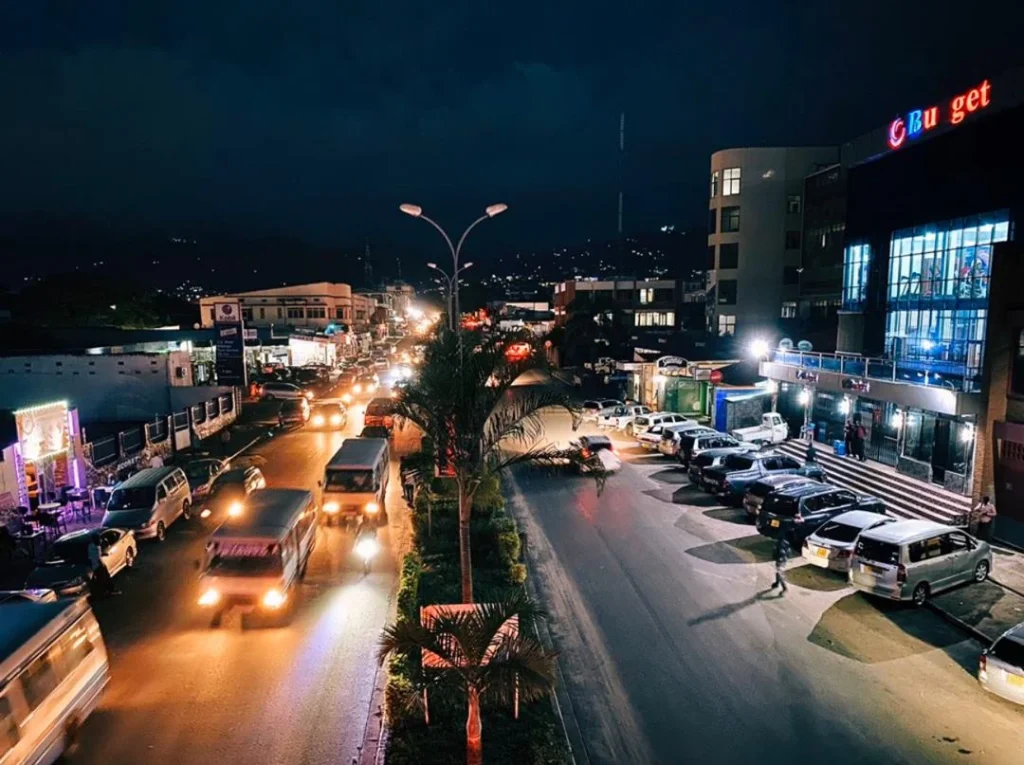
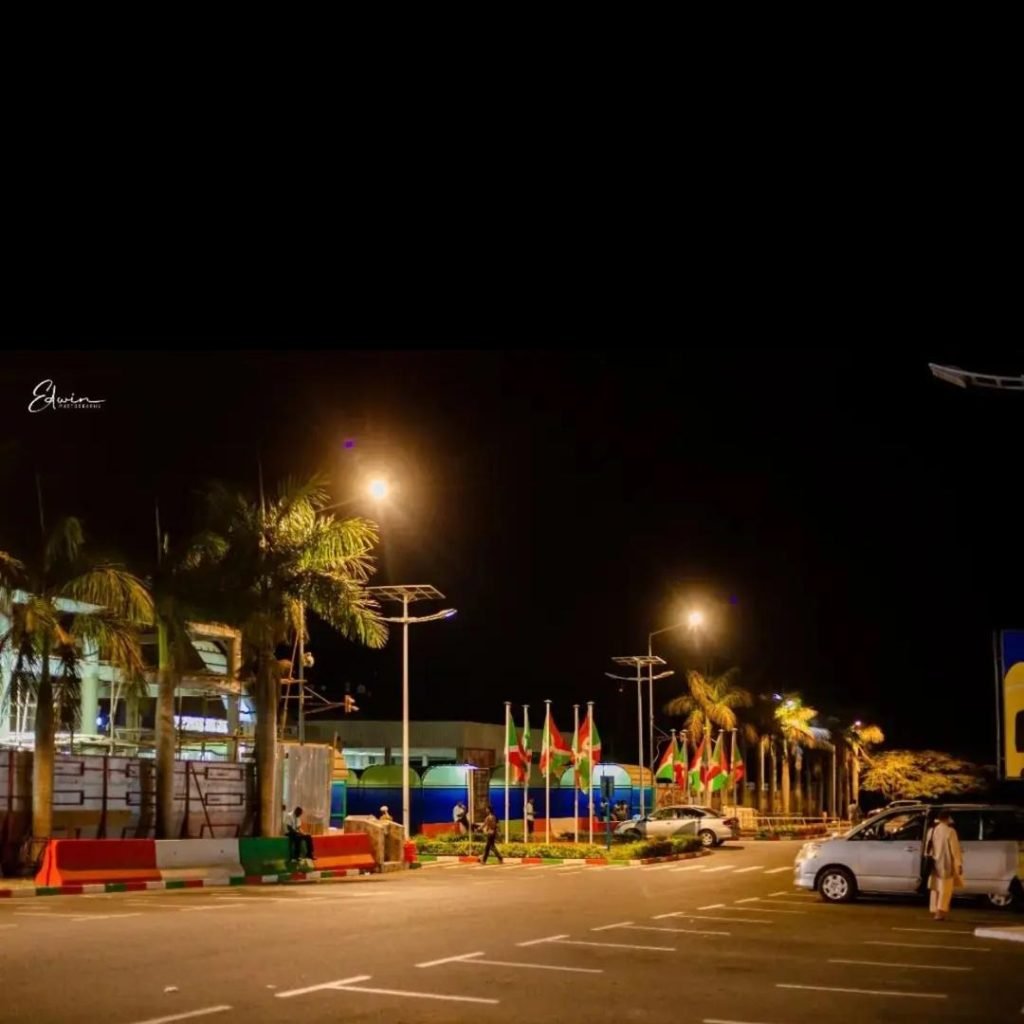
Bujumbura-A China-supported solar street lighting project has been completed in Bujumbura, Burundi’s economic capital, aligning with the country’s vision to promote clean energy, energy efficiency, and sustainable development, senior officials said. The project was implemented along Mao Zedong Boulevard in the Mukaza District of Bujumbura, and with support from China’s Sichuan Province the boulevard is now equipped with 101 solar-powered streetlights that automatically switch on and off according to natural light levels. Burundian government officials expressed deep gratitude to China for its support during a ceremony marking the project’s completion, describing the new lighting as modern and sustainable infrastructure that will brighten the city’s nights, improve safety, support the nighttime economy and beautify the capital.
Burundi faces one of the most severe energy crises in Sub-Saharan Africa, with a very low rate of access to reliable electricity for households and businesses. According to development data, only a small fraction of the population is connected to the national electricity grid, while the majority of citizens — especially in rural areas remain without stable power. The country’s electrification rate has historically been among the lowest on the continent, with estimates showing access rates well below regional averages.
In many parts of the country, frequent outages and fuel shortages have become a daily reality, disrupting homes, schools, health centres and small businesses. Hospitals, for example, have struggled to keep essential equipment running and to maintain refrigeration without dependable electricity, often resorting to expensive and scarce diesel fuel. These conditions place immense strain on services and residents alike, highlighting the urgent need for more resilient energy solutions.
In Bujumbura and other urban centres, the impact of unreliable power is deeply felt. Schools struggle to host evening classes, commercial activities are curtailed after dark, and many households rely on candles or costly alternatives to light their homes. In such a context, consistent public lighting is not only a matter of convenience but also of safety and economic vitality, as well-lit streets can help reduce crime and extend business hours.
The installation of solar-powered streetlights helps mitigate some of these challenges by providing consistent outdoor lighting that does not depend on the unstable national grid. Solar streetlights operate independently using sunlight collected during the day, offering reliable illumination at night even when grid power is unavailable. For a city like Bujumbura, where public and commercial life often extends into the evening, robust street lighting increases safety for pedestrians and drivers, supports after-hours trade, and enhances overall quality of life in areas that can otherwise remain dark for much of each night.
Beyond the immediate benefits of lighting roads, solar energy plays a broader role in Burundi’s pursuit of sustainable and resilient energy solutions. Given the country’s chronic power shortages and limited grid reach, expanding renewable and off-grid solutions such as solar installations is increasingly seen as crucial to reducing reliance on a fragile central network and strengthening energy access for communities. Donor-supported initiatives and development programmes across the country are increasingly promoting solar systems and mini-grids to bring electricity to schools, health centres and homes that have long lacked reliable power.
While the street lighting project is relatively small in scale, officials and residents view it as a meaningful step toward addressing Burundi’s broader energy challenges. By harnessing renewable energy to fill gaps left by grid instability, the city of Bujumbura is gaining a model for how clean technologies can support public safety and economic resilience, even as the nation continues to work toward expanding its national power infrastructure.