
By Senior Editor-China Africa News
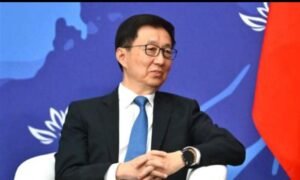
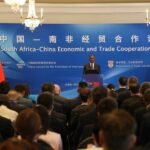
As the world converges in Beijing for the Global Leaders’ Meeting on Women, the city hums not only with symbolism of gender and inclusion, but also with deeper currents of geopolitics, economic ambition, and a renewed Africa–China narrative. From the vantage point of public opinion across both continents, three speeches stand out as signposts for where relations might be headed: Ghana’s President John Dramani Mahama, Mozambique’s Prime Minister Maria Benvinda Levi, and China’s President Xi Jinping.
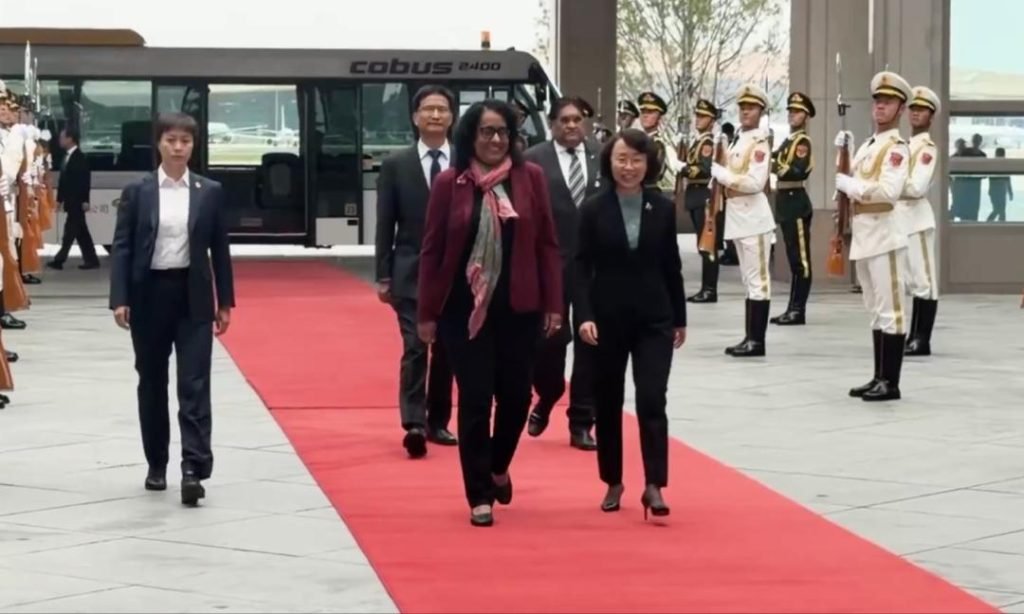
In Beijing today, under the glow of global spotlights, that opening reality threads into a broader drama. Mahama arrives not merely as a guest to the summit co-hosted by China and UN Women, but as a continental voice insisting that the commitments of 1995 and the Beijing Declaration must, after 30 years, turn from moral pledges into political and economic practice.
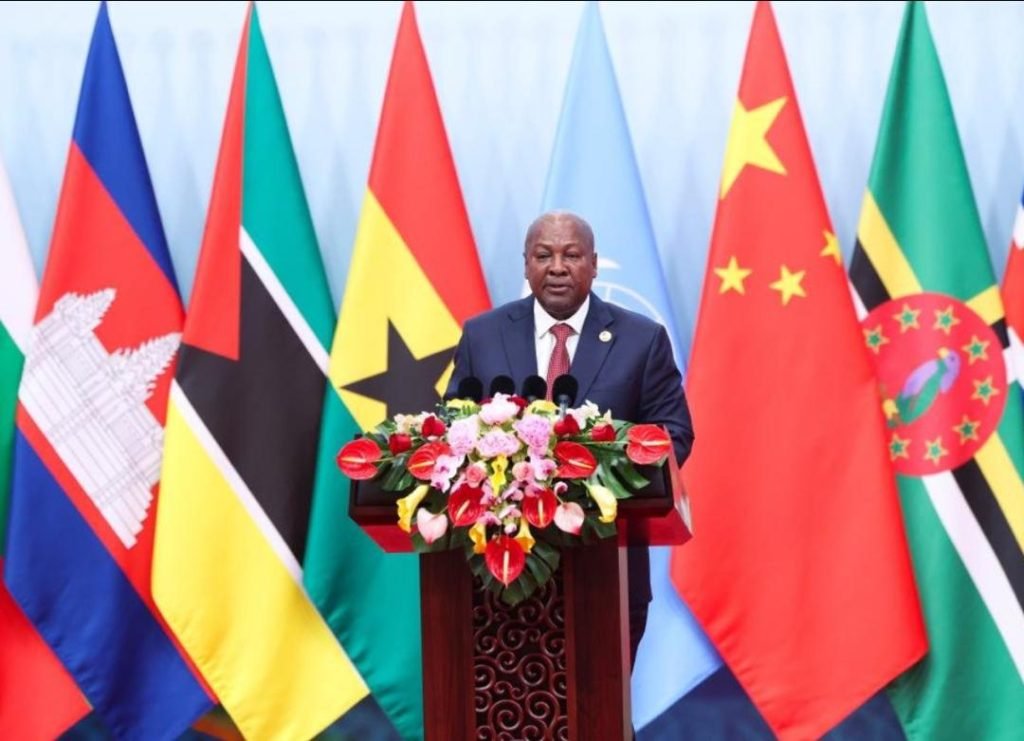
He reminds his peers that gender equality is more than symbolism: “Gender equality is more than a matter of justice, it is a catalyst for sustainable development,” he declares, calling on African leaders to protect gains made for women, lest they be reversed by turbulence and indifference.
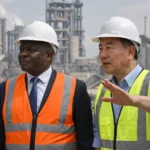
Mahama frames the Declaration not as a dusty relic but a living “moral covenant,” insisting that no nation advances if half its people are left behind. He pairs that moral challenge with a reaffirmation of Ghana’s partnership with China, reiterating loyalty to the one-China policy and a desire to deepen ties in trade, infrastructure, energy, mining, and digital cooperation.
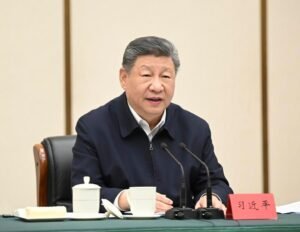
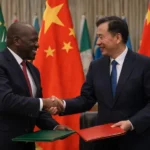
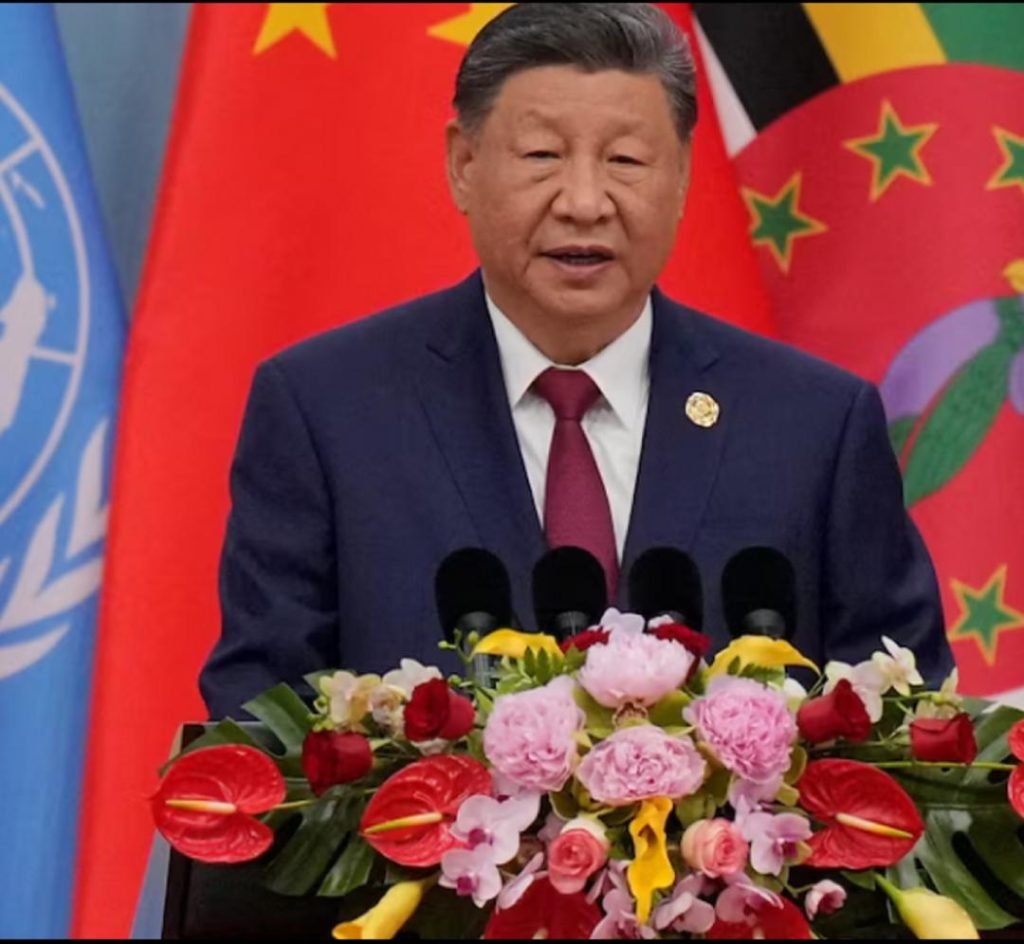
At the same time, in high-level meetings, Xi Jinping leverages these converging expectations. His keynote at the summit calls for expanding women’s representation in political and social governance, weaving the theme of gender into the larger tapestry of a “shared future for humanity.” In side meetings, he meets President Mahama and pledges support for Ghana’s development, including zero-tariff access for qualifying Ghanaian goods a gesture that signals respect, but also reminds all parties of China’s capacity to shape terms.
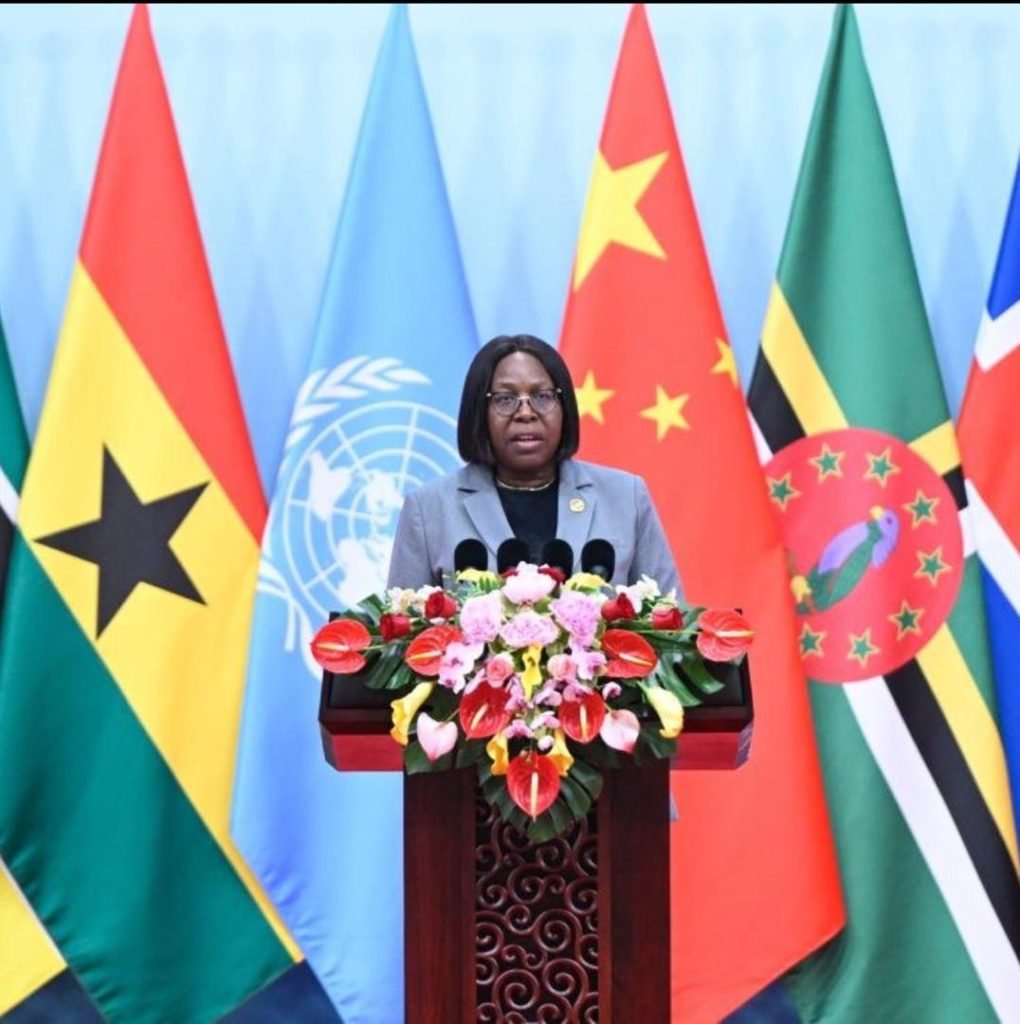
Meanwhile, Prime Minister Maria Benvinda Delfina Levi of Mozambique enters Beijing as a pragmatist and cautious aspirant. Representing her nation at the summit, she praises Xi’s opening address, pledges Mozambique’s willingness to follow through on the summit’s outcomes, and expresses readiness for deeper cooperation across economy, trade, mining, energy, education, science, and tech. She underscores Mozambique’s commitment to the one-China principle, while signaling that her country expects not only infrastructure investment, but equitable partnership.
In his meeting with Levi, Xi revisits the narrative of enduring friendship between the two nations over 50 years, pledges support for Mozambique’s independent development path, and commits to joint cooperation in energy, minerals, infrastructure, and global governance reforms. He frames the China–Mozambique partnership as part of broader efforts to oppose unilateralism and hegemonism and to safeguard shared interests of the Global South.
Together, these voices create a fragile harmony. Mahama’s insistence on structural transformation, Levi’s commitment to fairness, and Xi’s grand narrative of global cooperation converge but also test limits. African publics hear of promises, but their ears sharpen on questions: Will women in remote districts see real change? Will trade deals empower local industries or simply export raw materials? Will debt and infrastructure deals deepen dependency or enable independence? Chinese audiences see affirmation of China’s global role, but expect proof that such leadership is equitable, transparent, and consistent.
In the grand halls and inside corridors, if Beijing’s summit is to mean more than pageantry, the test lies beyond applause. It lies in translating pledges into projects that uplift farms, markets, classrooms, and homes; in balancing ambition with fairness; and in ensuring that “shared futures” do not become slogans, but lived realities,