
By Senior Reporter,China Africa News
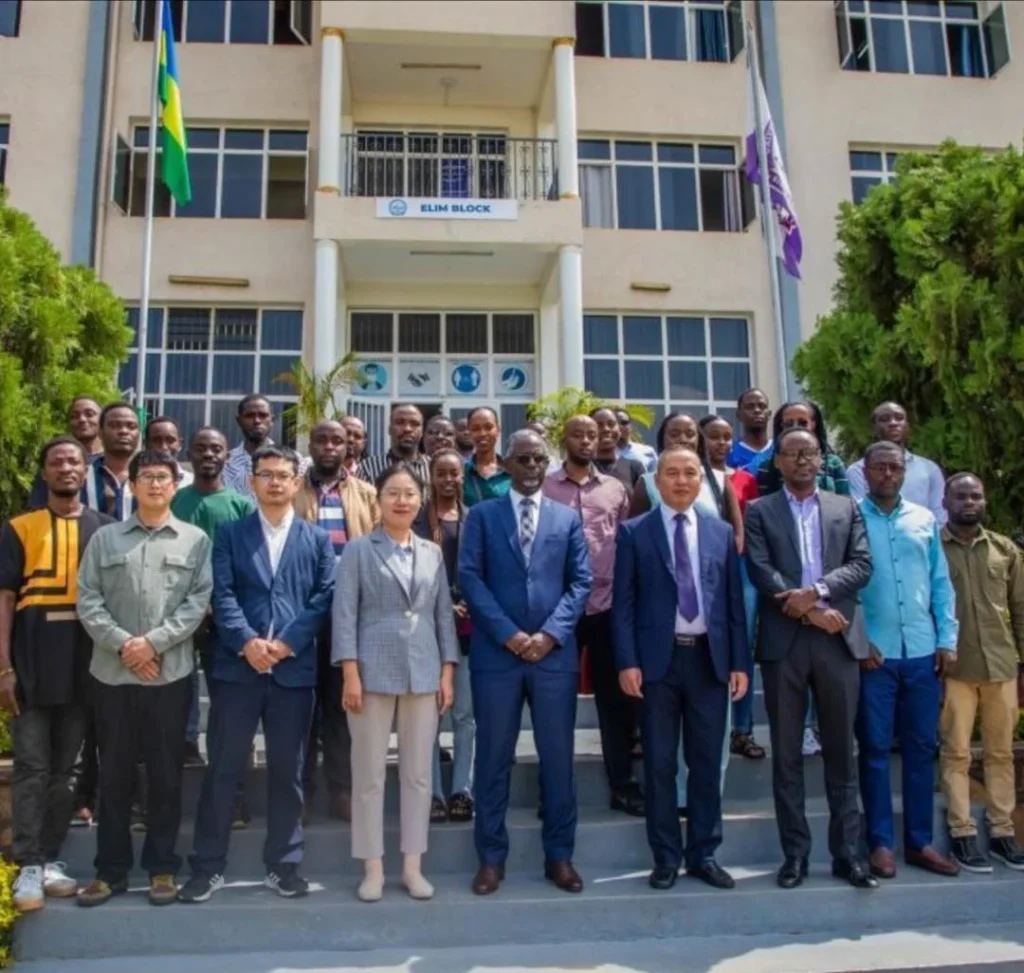
Kigali , In mid‑November, the grounds of UNILAK came alive with an energy that felt at once local and global.
More than fifty faculty members and students gathered for a special workshop on remote sensing and GIS, led by Chinese experts from the Xinjiang Institute of Ecology and Geography (XIEG). The training was not just a technical session it marked the real beginning of a three‑year research journey rooted in both urgency and hope.
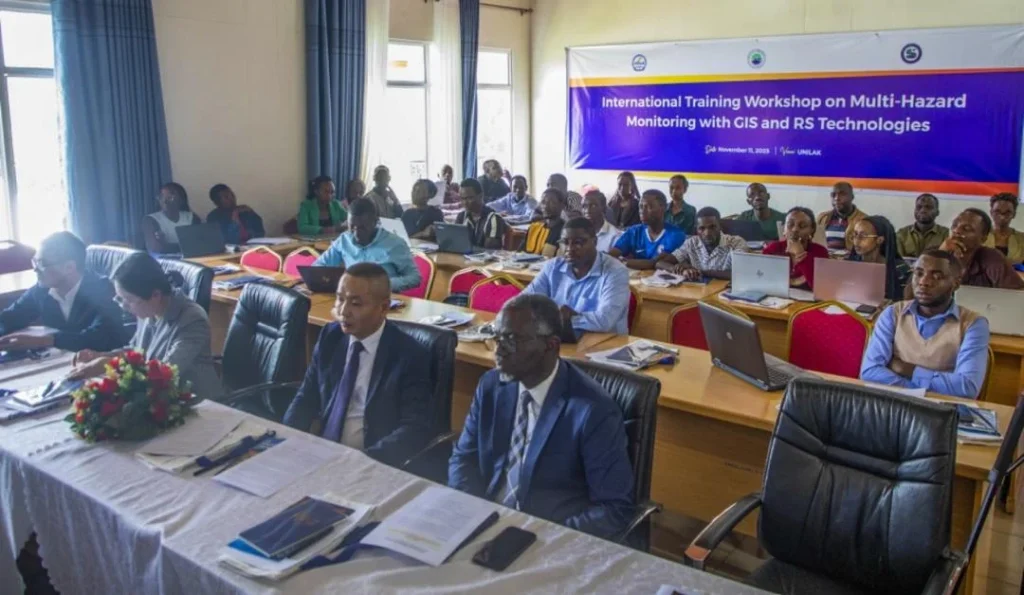
At its heart is a bold three‑year project, formally launched in September 2025 a collaboration between UNILAK and XIEG, titled “Formation Mechanisms and Emergency Response Strategies of Disasters Caused by Heavy Rainfall in East Africa.”
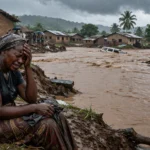
What sets this initiative apart is its ambition: to understand deeply how heavy rainfall, in a fast‑changing climate, triggers disasters like landslides and floods, especially in the complex terrain of Rwanda.
During the workshop, Chinese and Rwandan researchers didn’t merely lecture they worked side by side, combining theory and hands‑on learning. Participants learned to use advanced methods in remote sensing such as time‑series InSAR (Interferometric Synthetic Aperture Radar), geospatial analysis, machine learning, all tailored to monitor and evaluate multiple hazards.
This is not just about data; it’s about building the capacity to map risk, model future scenarios, and ultimately help communities prepare better.
For Rwanda, the benefits are immediate and profound. Students learned skills that will stay with them, skills that enable them to gather and interpret environmental data more precisely even from places that are hard to reach.
Key Rwandan researchers now carry the knowledge to run complex models, analyze soil erodibility, and assess hazard exposure. These insights are expected to feed directly into national disaster‑risk planning and climate resilience strategies, helping policymakers ground their decisions in hard science.
On the Chinese side, the collaboration resonates with a broader vision: China has long embraced scientific diplomacy, engaging in shared research with African partners. Here, XIEG’s scientists gain access to a living laboratory in East Africa to study rainfall‑disaster dynamics in a region that faces very real and increasing climate risk.
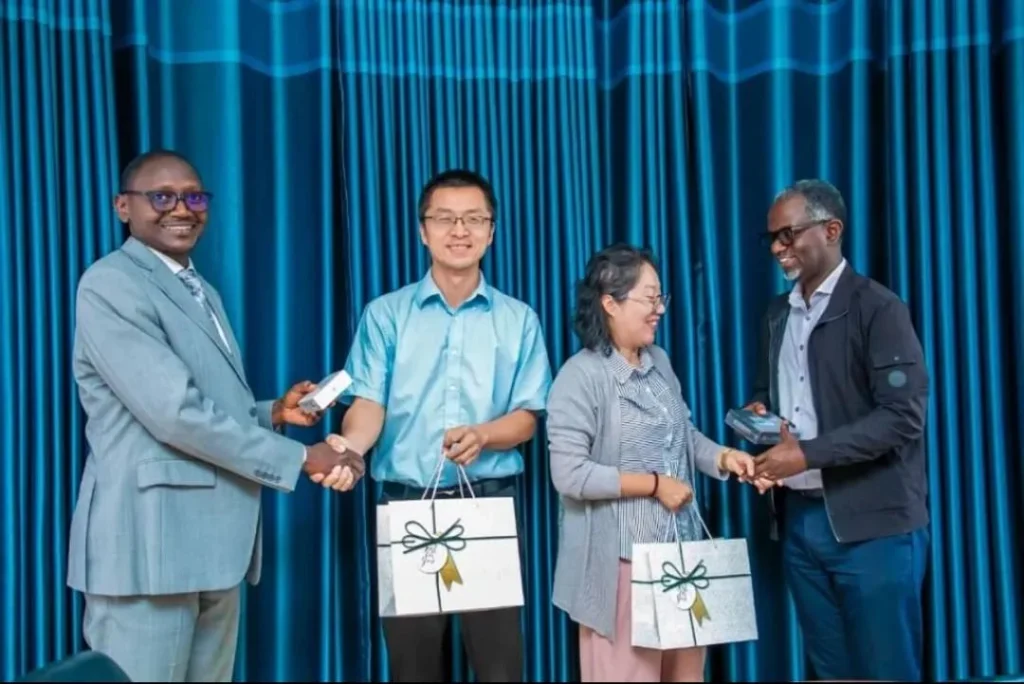
By blending Chinese technical know-how with Rwandan local knowledge, the project promises not only research outputs, but solutions that are practical and place-based.
Looking ahead, the three‑year timeline is not rigid but purposefully designed. Teams will conduct field surveys, collect geospatial data, run advanced simulations, and translate their findings into policy briefs
The goal is not just academic papers, but actionable strategies for disaster preparedness. Over time, this collaboration could strengthen regional capacity UNILAK could become a scientific hub for climate‑hazard research in East Africa, drawing in other institutions and amplifying impact.
This partnership is more than an academic exercise; it is a bridge of trust and shared purpose. Chinese experts and Rwandan scholars are building more than models they are building resilience.
As climate change continues to raise the stakes, their work offers a timely reminder: science, when shared, can become a powerful tool for prevention, understanding, and sustainable development.