
By Senior Editor, China Africa News
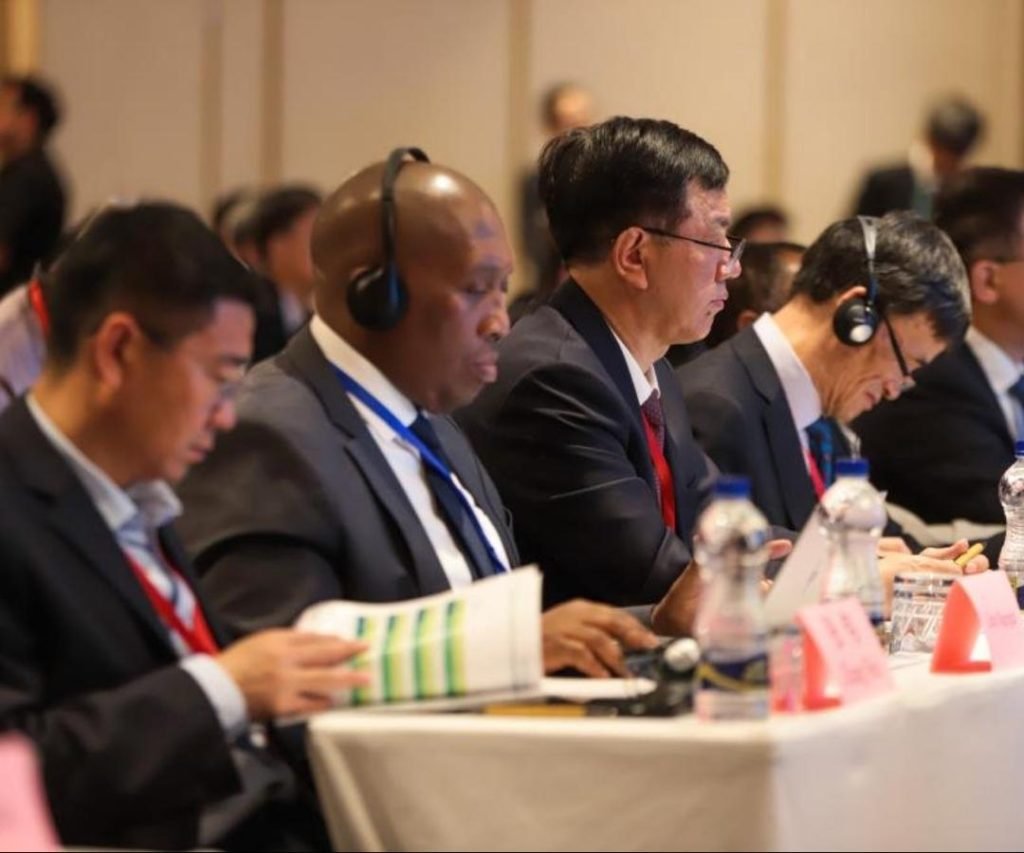
Addis Ababa- China–Africa Agricultural Science and Technology Innovation Alliance (CAASTIA) General Assembly has marked a turning point in agricultural cooperation between China and Africa. At the four-day forum co-hosted by the African Academy of Sciences (AAS) and the Chinese Academy of Agricultural Sciences (CAAS), over 200 scientists, policymakers and agricultural stakeholders from both continents gathered to witness the launch of the Alliance’s charter, its three-year action plan and the first batch of mobilisation projects.
China stands to gain access to vast untapped arable land, a youthful workforce across Africa and new markets for agricultural technology and value-added produce, while Africa gains from China’s decades-long experience in intensive cultivation, mechanisation, digital farming and value chain development.
And though precise project numbers were not fully detailed publicly, the Alliance unveiled “the first batch of cooperation projects” under its major programmes, signalling multiple initiatives geared toward joint research, technology transfer and value-chain upgrades.
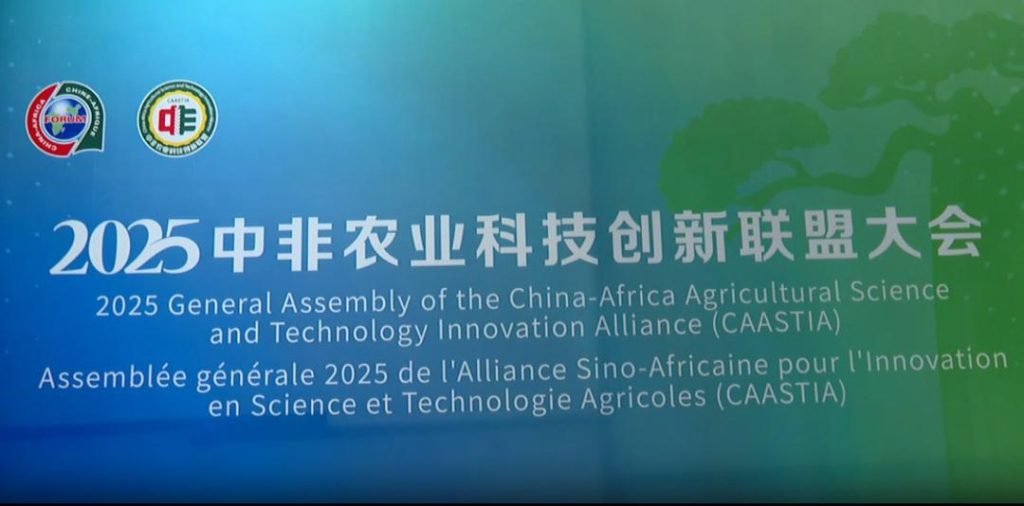
The gathering featured leading figures including Prof. Lise Korsten, President of the African Academy of Sciences, who emphasised how China feeds nearly one-fifth of the world’s population despite holding less than 9 % of arable land, while Africa sits on about 60 % of the world’s uncultivated arable land yet struggles with food insecurity.
Representing China, Ambassador Jiang Feng from the Chinese Mission to the African Union reaffirmed China’s transition from traditional aid towards sustainable capacity-building partnerships, including offering zero-tariff access for agricultural imports from 53 African states.
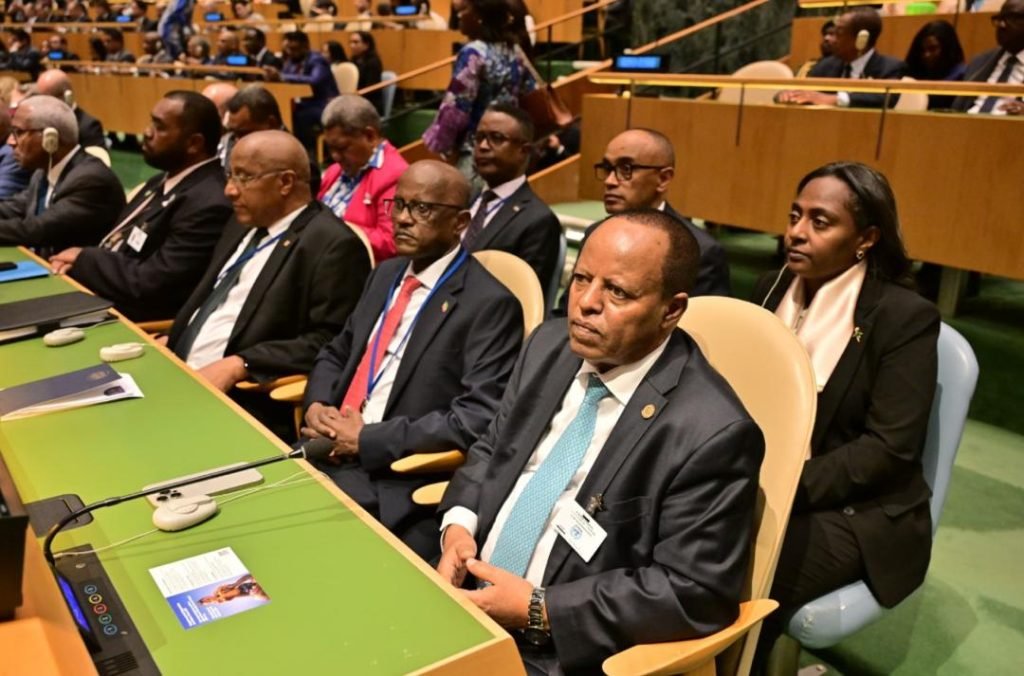
Also present was Commissioner Gaspard Banyankimbona of the African Union for Education, Science, Technology and Innovation, who underscored the role of innovation in advancing climate-resilient crops, digital farming platforms and joint technology labs. The mix of attendees spanned ministerial delegations, senior research institute leaders, private-sector agribusiness executives and emerging scientists from both China and more than 20 African countries.
Beyond speeches, the Assembly delivered tangible outcomes: the official CAASTIA website and logo were launched, the governing charter adopted, and the three-year action plan revealed.
The cooperation programmes highlighted include three major thematic tracks digital agriculture & intelligent equipment, green disease prevention & control, and value-chain industrialisation alongside “Sparkle Projects” targeted at special agricultural products. For China, engaging in this alliance means tapping into Africa’s large-scale production capacity, expanding its agricultural machinery, seed and technology markets, and securing stable supply chains for key commodities.
For Africa, the benefits lie in access to advanced seeds, mechanisation, training of scientists, and enhanced export opportunities into China’s market. Indeed, China’s declared zero-tariff policy for 53 African countries’ agricultural exports signals a strategic opening.
Still, the proof will rest on actual implementation: translating research and technology transfer into measurable yield improvements, ensuring adoption by smallholder farmers, building robust value chains and aligning with local agro-ecological and institutional realities. In the words of Korsten, the “paradox of land and people” in Africa vast land, hungry labor, but low productivity offers the space for transformative partnership, but only if the collaboration is truly equitable, locally grounded and oriented to sustainable impact.
In hosting this event, Ethiopia positions itself at the heart of this initiative. Its national agricultural research system, ongoing reform agenda and strategic location at the hub of the African Union add weight to the symbolism of Addis Ababa as the venue. With the Alliance now operational, the coming years will test whether China-Africa agricultural science and innovation can move from promise to practice delivering higher productivity, market linkages and shared prosperity.