
By Cremilda Macuácua, China Africa News
Nairobi ,14th March 2026 — Economic cooperation between China and Africa is entering a new phase, with expanding trade, infrastructure investment and cultural exchanges continuing to reshape the continent’s development landscape. As highlighted by CGTN Africa in a recent roundtable discussion, the evolving partnership reflects both sides’ commitment to shared growth and long-term collaboration.
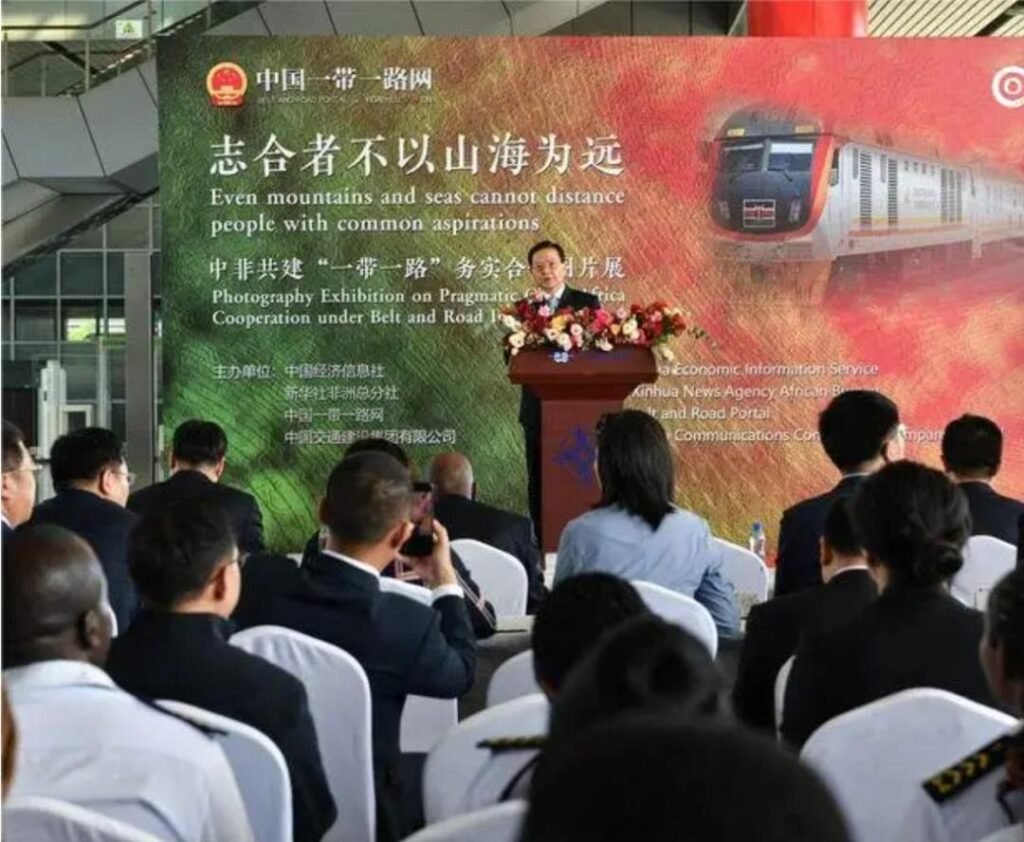
From modern railways stretching across key trade corridors to rapidly developing urban skylines, projects linked to the Belt and Road Initiative are playing an increasingly visible role in strengthening connectivity across Africa. Infrastructure investments have improved transport networks, boosted logistics capacity and opened new pathways for regional trade.
According to discussions hosted by CGTN Africa, these developments are part of a broader framework of cooperation that extends beyond infrastructure to include trade expansion, technology collaboration and skills development. Experts taking part in the roundtable noted that such projects are increasingly seen as catalysts for industrialization and economic diversification across the continent.
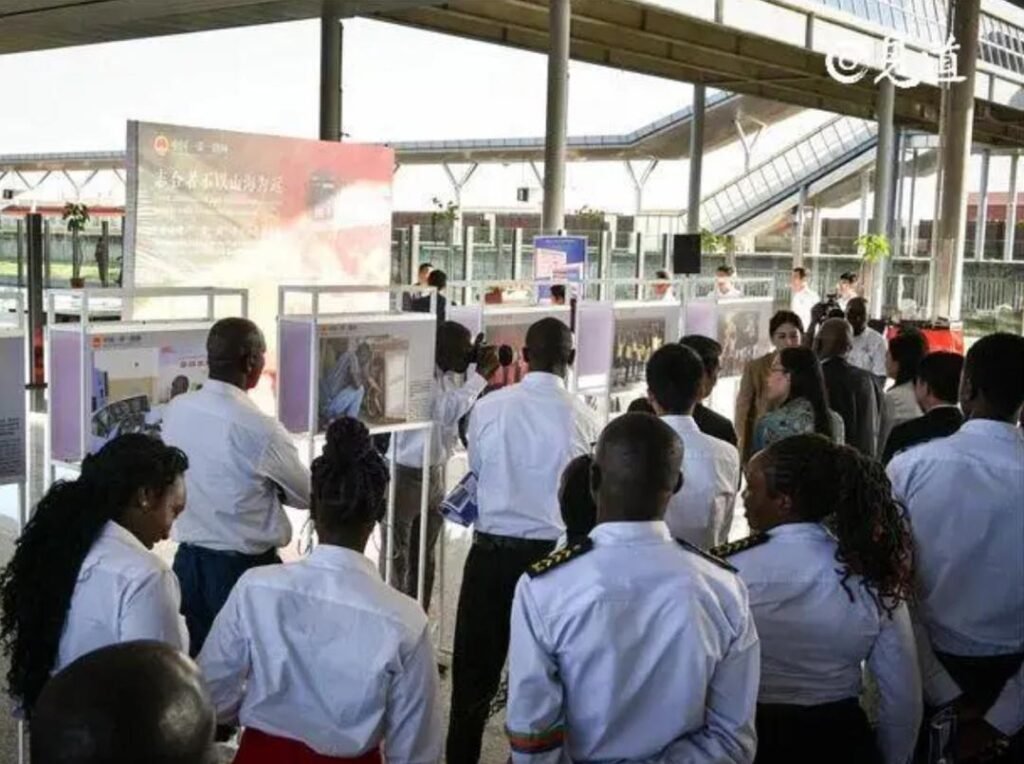
The year 2026 marks a symbolic milestone in the partnership. China and African nations have designated it the China–Africa Year of People-to-People Exchanges, an initiative aimed at strengthening cooperation in education, tourism, culture, media and youth engagement. Analysts say the initiative reflects a growing recognition that sustainable economic ties are reinforced by deeper cultural and social connections.
The timing also coincides with the launch of China’s 15th Five-Year Plan, a development blueprint expected to shape the country’s economic priorities and international partnerships in the years ahead.
Panelists featured on the CGTN Africa roundtable said the next stage of China–Africa relations is likely to focus on deeper economic integration and shared opportunity. While infrastructure remains a key pillar, future cooperation may increasingly emphasize technology transfer, green development and industrial capacity building.
For many African economies, expanding transport corridors, energy projects and urban infrastructure are expected to support broader development goals by improving connectivity and helping local industries reach global markets more efficiently.
As noted by CGTN Africa, the growing collaboration signals a shared ambition: transforming infrastructure and trade partnerships into long-term engines of growth for both China and Africa.