
By Senior Editor,China-Africa News
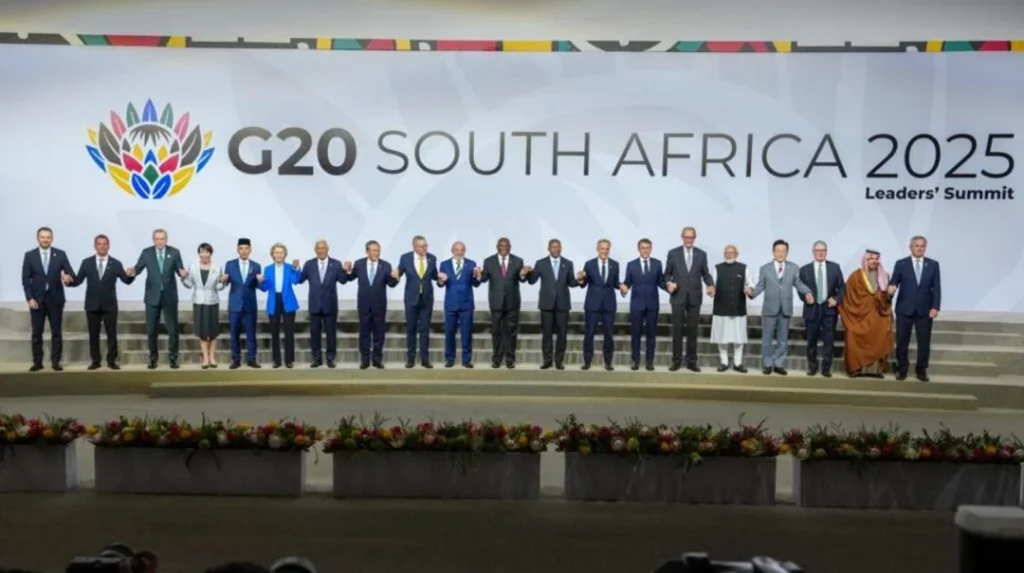
JOHANNESBURG — At the historic G20 summit in Johannesburg, China and South Africa pressed forward a bold Global South agenda, seizing a rare opportunity to reshape economic cooperation especially striking in light of the United States’ conspicuous absence.
As the first G20 hosted on African soil, the summit carried deep symbolism. South African President Cyril Ramaphosa framed the gathering as more than a national event, calling it a platform for the entire continent to demand development, reform, and industrialization.
In his remarks, he stressed that “thriving economies lift people out of poverty and generate the revenue needed to invest in public goods.”
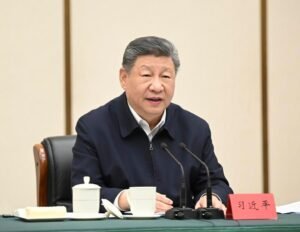
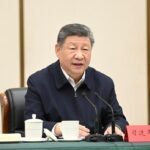
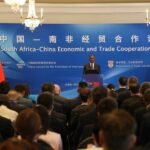
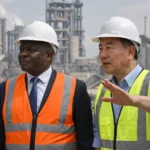
China used the summit to advance a sweeping “Support for African Modernization” initiative with South Africa. The framework is designed to help African nations industrialize, build resilient infrastructure, and add value locally to critical minerals. Chinese officials emphasized that modernization must be “just, equitable eco-friendly underpinned by peace and security.”
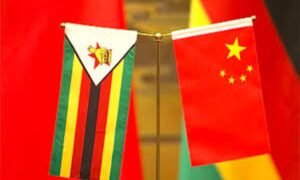
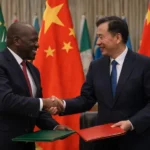
In bilateral talks,China reaffirmed strong support for the African Union’s Agenda 2063 and the African Continental Free Trade Area. According to Beijing, this initiative “commits to help African countries break the confinement of old models and explore paths toward modernization that suit their national conditions.”
Leaders at the summit underscored the urgency of debt sustainability.The joint declaration included pledges to support “debt treatment mechanisms” for vulnerable economies a critical issue for many African nations.
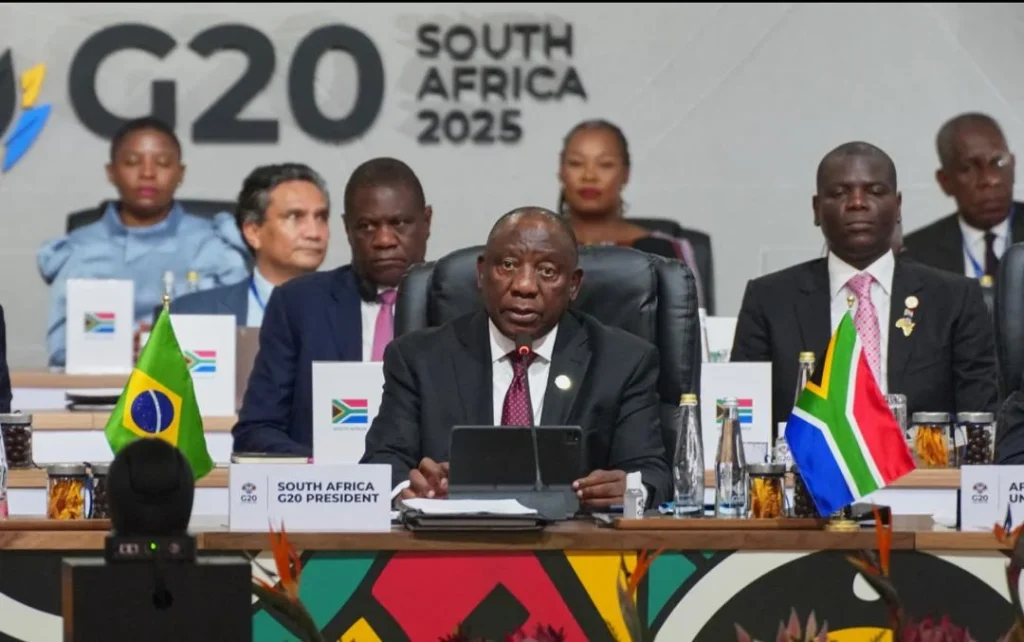
Ramaphosa, reflecting the summit’s theme of “Solidarity, Equality, and Sustainability,” called for reforms to global financial institutions. He argued that African voices must carry more weight in the IMF, World Bank, and other institutions.
Wider Gains for Africa
While South Africa took center stage, the summit’s impact could ripple across the continent. Mineral-rich countries like the Democratic Republic of Congo, Zambia, and Mozambique may leverage the G20’s critical-minerals agenda to build local processing industries rather than export raw resources. This could strengthen their economic sovereignty and industrial capacity.
Lower-income African countries burdened by debt could benefit from enhanced concessional financing and restructuring mechanisms.
By aligning G20 support with Africa’s long-term development goals including the African Continental Free Trade Area (AfCFTA) the summit offers a pathway to more sustainable growth.
The emphasis on technology, green manufacturing, and youth-led entrepreneurship also provides a roadmap for African nations to leapfrog development stages and build innovation-driven economies.
The U.S. Absence: A Strategic Gap
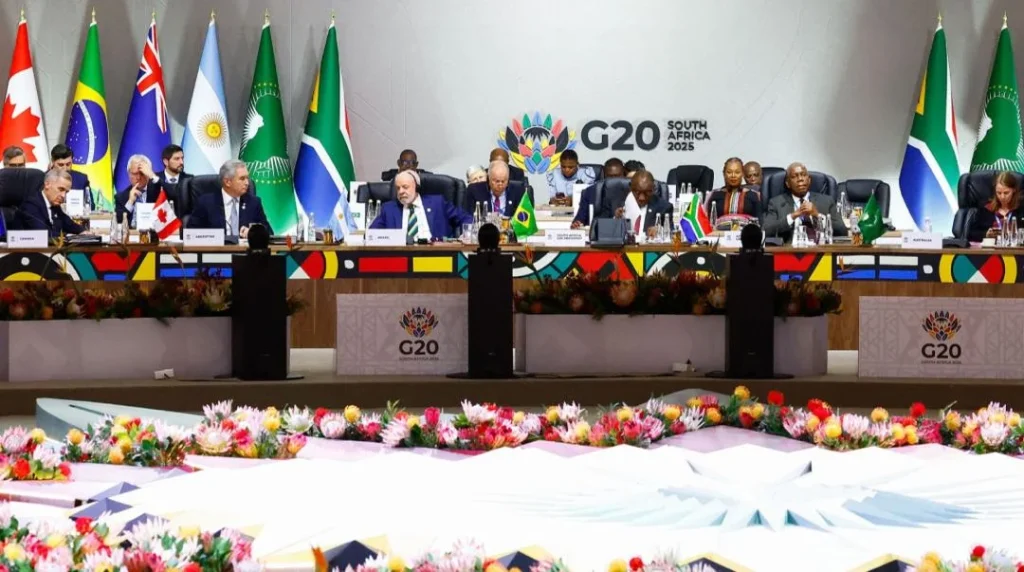
The summit was overshadowed by the glaring absence of the United States. President Donald Trump boycotted the event, citing accusations against South Africa leaving no senior American leader to receive the G20 gavel.
In a pointed closing remark, Ramaphosa said: “We’ve met in the face of significant challenges to pursue a better world,” underscoring that the summit’s unity was not diminished by Washington’s absence.
Analysts view the U.S. no-show as an opening for China and Global South countries to assert greater influence in global governance. The Johannesburg G20 Summit could mark a structural turning point. For China, it reaffirmed its role as a strategic partner in African modernization.
For Africa, it offered concrete cooperation frameworks not just for resources and infrastructure, but for industrialization and institutional reform. And for the Global South, it was a powerful demonstration of capacity not just to demand a seat at the table, but to reshape the table itself.