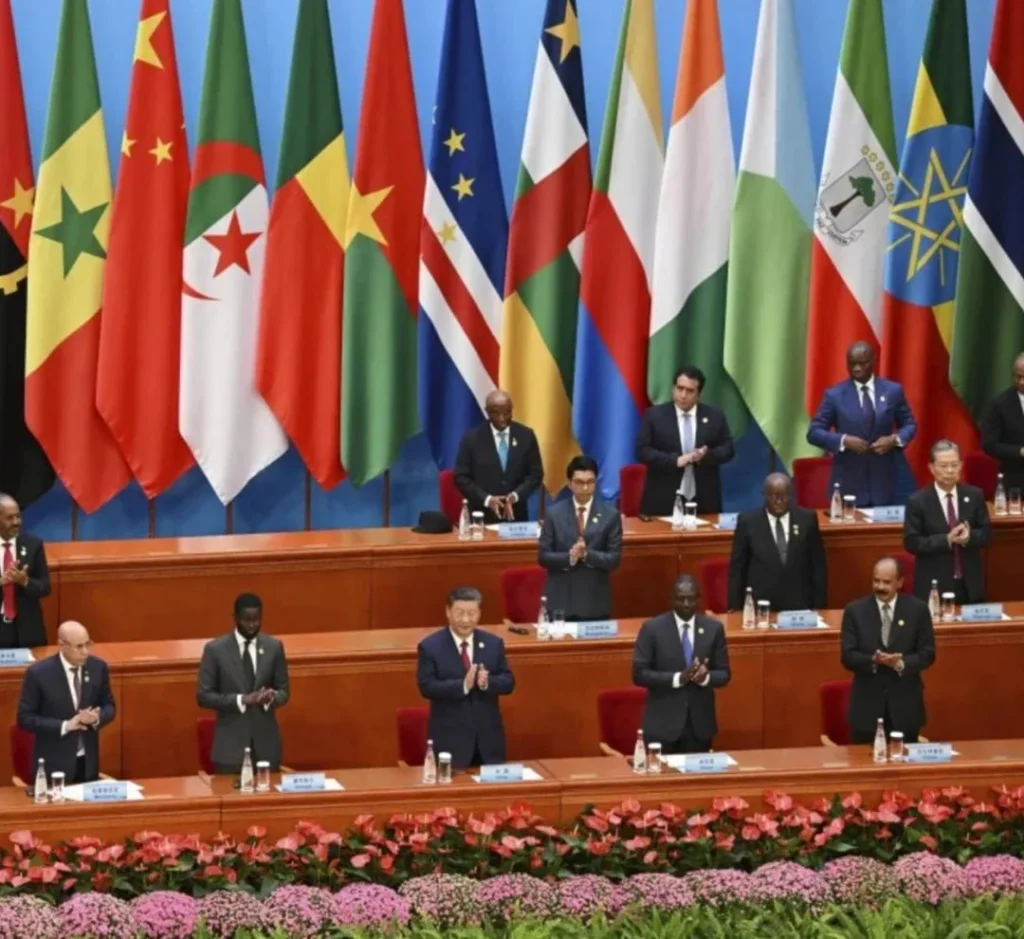

By Senior Editor, China Africa News
Addis Ababa &Beijing-As the world turns its eyes toward 2026, the evolving partnership between China and Africa is increasingly making headlines not just for its scale, but for its depth and everyday impact across the continent. In the bustling streets of Lagos, the expanding activity at ports and railheads echoes a broader story of connectivity one rooted in decades of weaving infrastructure, trade, technology, and human capital into a tapestry of shared development.
Bilateral economic ties between China and African countries continue to set records, with trade volumes pushing past previous highs and reflecting resilience even against global economic headwinds. Over the past few years, Chinese imports from and exports to Africa climbed substantially, underlining both a diversifying trade portfolio and Africa’s growing integration into global supply chains. Chinese businesses now play pivotal roles in sectors ranging from new energy vehicles and solar technology to agricultural machinery helping to power not just goods movement, but broader ambitions for industrialization and sustainability across Africa.

Infrastructure remains an unmistakable cornerstone of this renewed cooperation. Across Africa, highways once emblematic of ambitious plans are now under construction or expansion with renewed Chinese collaboration. In Kenya, a major highway project has broken ground with Chinese state-owned enterprises at the helm a signal of Beijing’s strategic reengagement with large-scale infrastructure following a period of recalibration around debt sustainability and financing models. Rail corridors, ports and telecommunication backbones built over the last decade continue to knit markets together and strengthen regional integration efforts led by the African Union and the African Continental Free Trade Area.
The impact of these projects is visible far beyond concrete and steel. In West Africa, port expansions have accelerated cargo throughput, while in landlocked regions improved rail links are opening new corridors for trade. Digital infrastructure initiatives from undersea cables encircling the continent to 5G rollouts in major cities are ushering in a new chapter of connectivity that accelerates everything from mobile banking to remote education.
But China-Africa cooperation is no longer defined solely by roads and railways. Agriculture long a bedrock of African livelihoods has seen high-tech infusion through joint research on drought-resilient crops and modern farming techniques tailored to local environments. These advances are not abstract achievements; they translate into more productive fields, higher incomes for farmers, and greater food security across rural communities.
Health and social development have also climbed up the agenda. In South Africa, recent Chinese support has been directed toward HIV prevention and broader public health systems at a time when traditional aid sources have shifted their priorities. These efforts, while modest in headline numbers, are emblematic of a broader trend toward cooperation that embraces capacity building as much as capital flows.
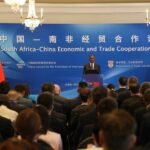
Diplomats and leaders are framing this moment as a transition from large-scale infrastructure partnerships to what some are calling a new era of modernization cooperation one that links sustainable industry, green energy, technology transfer, and skills development into a shared vision for the future. Initiatives launched at high-profile summits such as the Forum on China-Africa Cooperation reflected this shift, outlining frameworks that increasingly bind economic cooperation with social development goals.
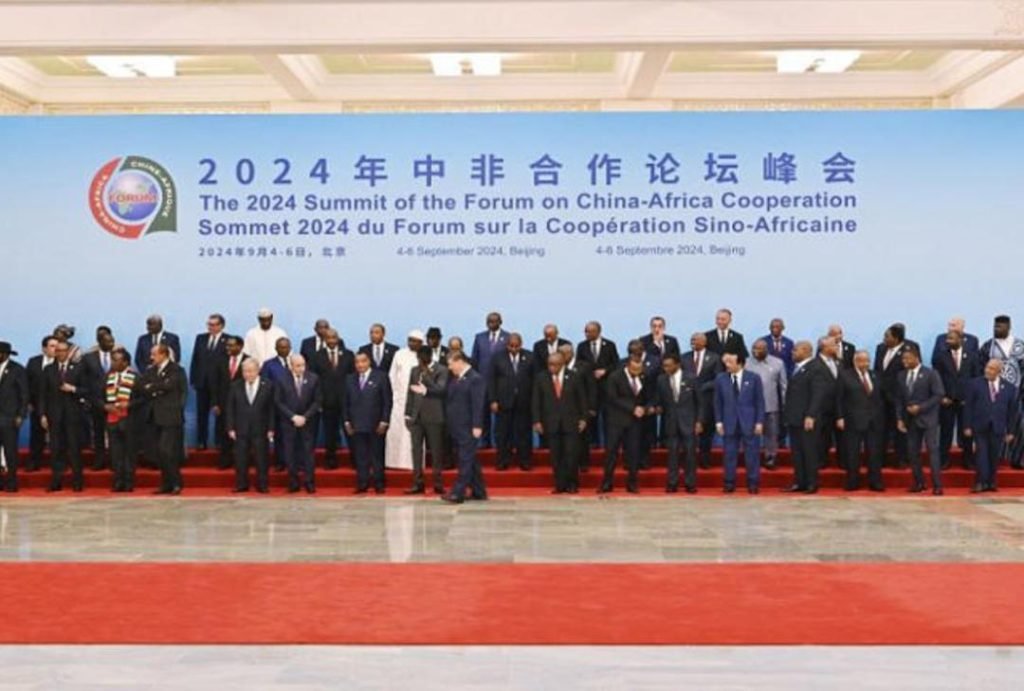
Yet with expansion comes scrutiny. Globally, rival initiatives such as Europe’s Global Gateway are casting fresh light on strategic infrastructure spending in Africa, and discussions about equitable financing, transparency, and long-term sustainability are now part of public debate across capitals from Nairobi to Nouakchott. African leaders themselves are vocal in demanding partnerships that balance opportunity with local benefit, seeking collaboration that builds industrial ecosystems rather than simple export models.
Looking ahead into 2026, observers see China-Africa cooperation continuing to grow in complexity and ambition. Trade is expected to further diversify as zero-tariff access agreements and digital trade platforms expand market reach for African products into China. Industrial parks and economic zones built with Chinese partners are maturing, creating jobs and local capacities that extend far beyond traditional extractive models. And as global geopolitical competition intensifies, African nations are increasingly navigating a multipolar world by leveraging partnerships that align with their own development blueprints.
What emerges is a picture of a relationship that, while rooted in decades of engagement, is entering a dynamic new phase one in which shared infrastructure, human capital investments, technology, and sustainable development goals blend into a narrative of mutual gain. In 2026, China-Africa cooperation is likely to be measured not just by contracts signed or highways paved, but by the livelihoods transformed, the connectivity realized, and the economic systems strengthened across a continent on the move.