
By Senior Editor, China Africa News
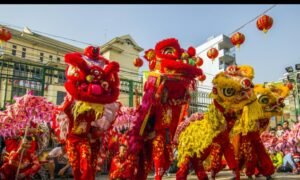
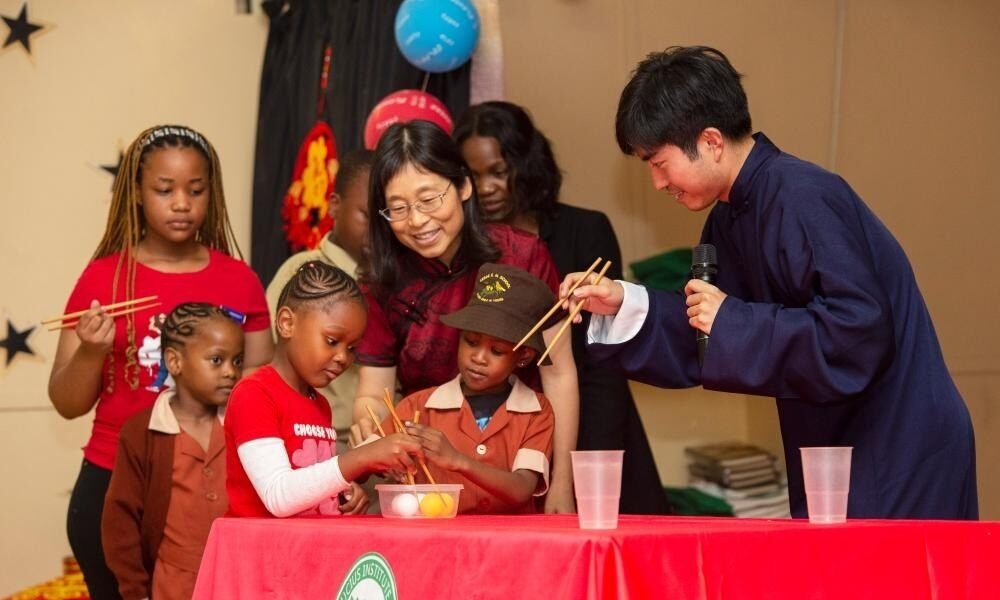
Gaborone, Botswana , February 17–18, 2026 — A China Africa Cultural Exchange event was held at Legae English Medium School in Gaborone, Botswana, celebrating the Chinese Spring Festival. The two-day event engaged nearly 500 students, teachers, and Chinese diplomats in activities highlighting Chinese culture, including traditional dances, musical performances, and interactive chopstick games for schoolchildren.
The event was co-hosted by the Confucius Institute at the University of Botswana and the Chinese Embassy, with Ambassador Fan Yong emphasizing the importance of cultural exchange in fostering mutual understanding.
Beyond the performances and games, the festival offered a glimpse into the broader ambitions of China-Botswana cooperation. Students and teachers alike immersed themselves in Chinese traditions, from calligraphy demonstrations to learning about festive customs. These exchanges do more than entertain; they build bridges between generations, fostering curiosity and respect for each other’s cultures. For many students, trying chopsticks for the first time or participating in a lion dance became more than a lesson in foreign customs it was an experience that connects them directly to the people and stories behind those traditions.
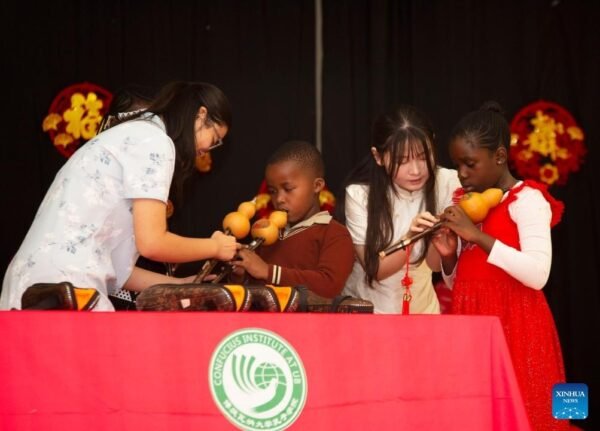
Officials highlighted that such initiatives form part of a wider China-Africa people-to-people exchange program in 2026, aiming to strengthen cultural, educational, and social ties across the continent. Ambassador Fan Yong noted that these grassroots exchanges complement formal diplomatic and economic relationships, creating a foundation of understanding and friendship that will support future collaboration in trade, education, and innovation.
For Botswana, the engagement provides students and educators with a global perspective, opening doors to potential scholarships, cultural immersion programs in China, and joint educational initiatives. The festival also reflects a mutual commitment to long-term collaboration, where diplomacy is experienced not only in boardrooms but in classrooms and playgrounds, where young minds connect and learn together.
As the celebrations concluded, the message was clear: the China-Botswana relationship is no longer limited to formal agreements. By investing in cultural understanding and youth engagement, both nations are planting seeds for a partnership that is personal, vibrant, and enduring, one festival at a time.