
By Senior, China Africa News
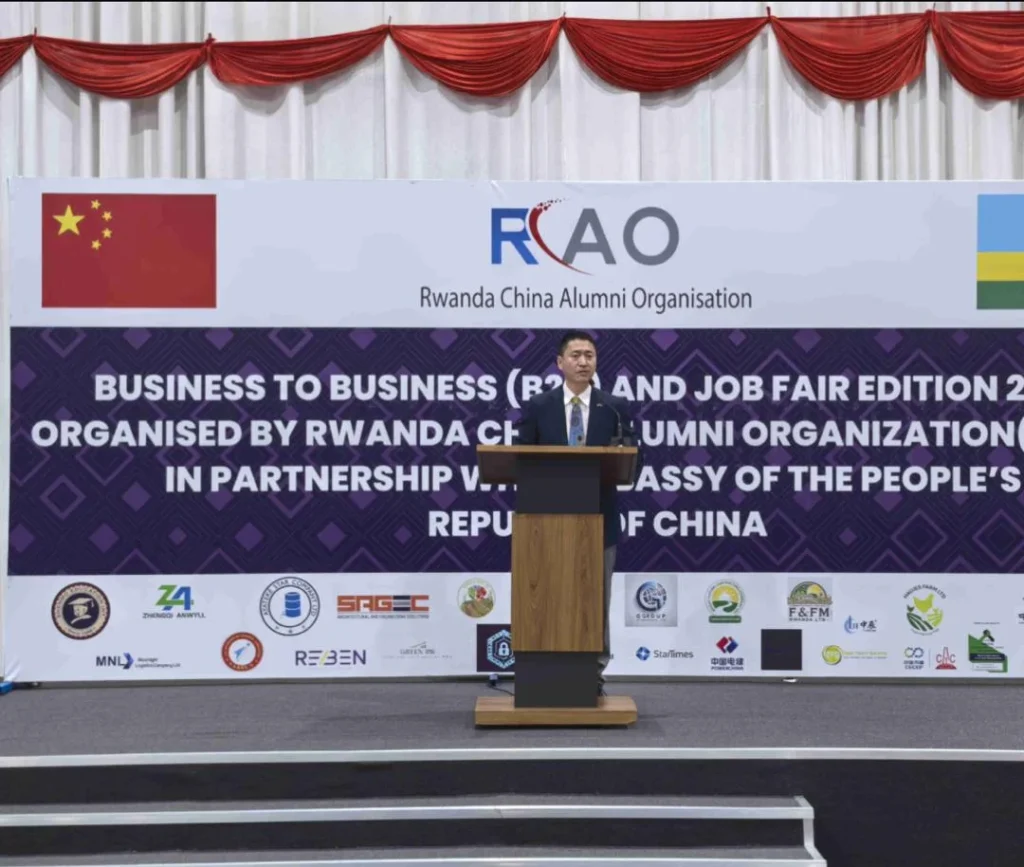
Kigali,The recent B2B gathering in Kigali between Chinese and Rwandan business leaders has quietly become a turning point in the deepening economic partnership between the two nations.
Against a backdrop of what China’s Ambassador Gao Wenqi described as “the strongest-ever” ties, the event opened a window into a future where private-sector collaboration does more than trade it builds lasting institutional links and lays the foundation for shared prosperity.
Ambassador Gao spoke with warmth about the relationship between his country and Rwanda, saying that during his visits around the country he had seen “the profound friendship” between the two peoples and “the visible results of cooperation in multiple sectors.”
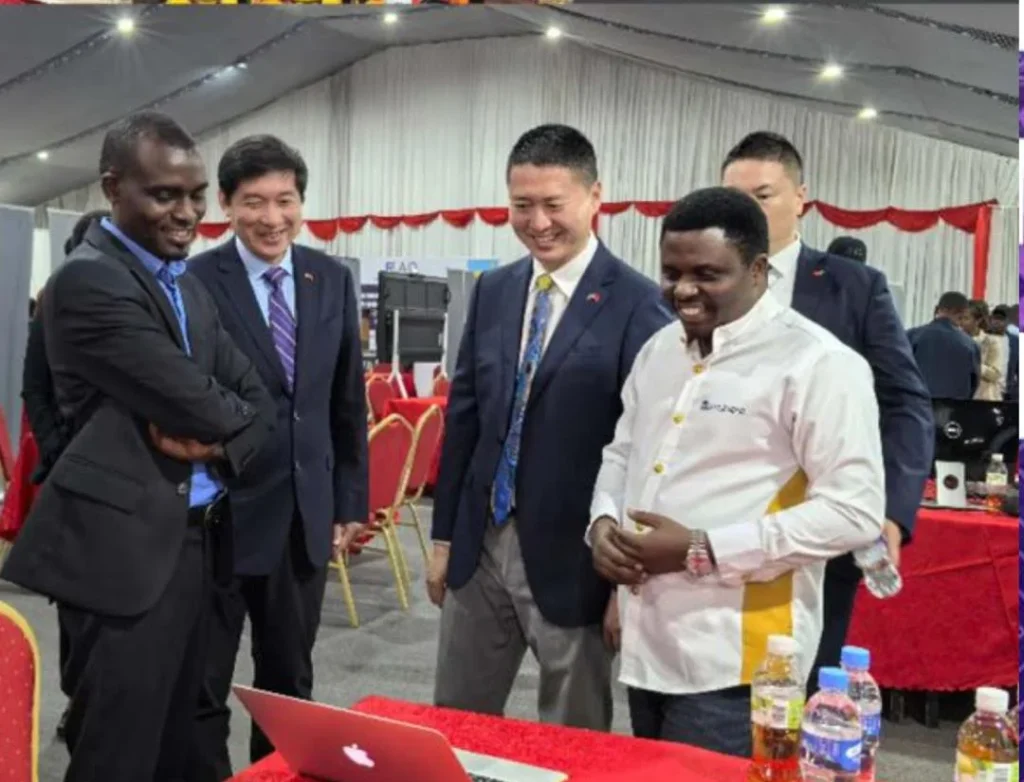
He emphasized that what unites Chinese and Rwandan companies today goes beyond contracts: it is about building a “community with a shared future.” According to him, twelve major projects have been agreed on in infrastructure, agriculture, energy, health, education, science and technology, and capacity building that will guide cooperation over the coming years.
He also noted China’s zero-tariff policy on all products from many African nations as a signal of commitment, and revealed that negotiations are underway to expand Chinese market access for Rwandan goods. On the horizon, he said, are forward-looking areas such as artificial intelligence, green energy, fintech, and sustainable development.
For Rwandan business leaders, the benefit of such a gathering is not just commercial but transformational. Theoneste Higaniro, Chairman of the Rwanda China Alumni Organization, reflected on the event’s deeper meaning:
“The essence of this event goes beyond networking. It is also about creating sustainable partnerships and fostering innovations to drive progress.”
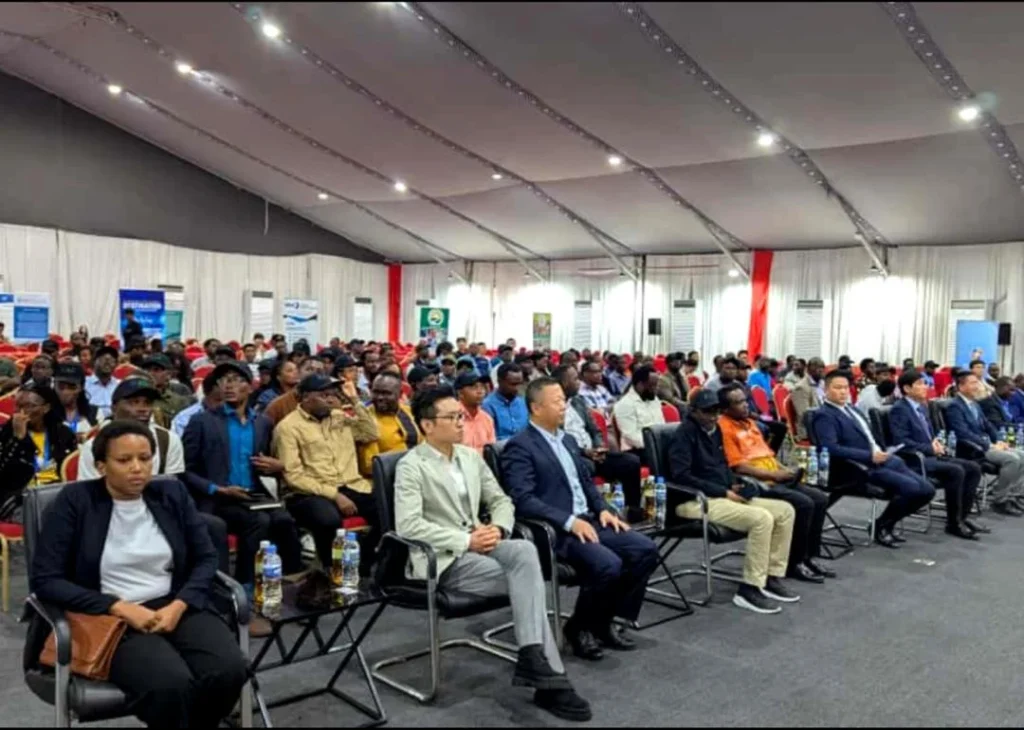
He argued passionately that collaboration with Chinese companies can help local firms tap into expertise, technology, and markets in ways that could accelerate Rwanda’s economic transformation.
On the Chinese business side, Huang Qilin, Chairman of the Chinese Chamber of Commerce in Rwanda, drew on his 15 years of experience in the country. He celebrated Rwanda’s business climate as a place “which has allowed Chinese companies to flourish, create jobs, and contribute to knowledge sharing and technology transfer.”
For him, that interdependence is not accidental it is the hallmark of a long-term relationship built on mutual trust.
From the perspective of the Rwanda Private Sector Federation, Jean Paul Bazihana, head of its trade cluster, saw the event as a strategic venue rather than a simple marketplace.
He contended that “sustained economic transformation requires strong business linkages and mutually beneficial collaboration,” and that platforms such as this B2B meeting are where long-term partnerships and real investment opportunities can take shape.
The impact of the business exchange is likely to reverberate far beyond the handshake. It signals a shift toward deeper Chinese involvement in Rwanda’s development not only through infrastructure loans, but through joint ventures, technology transfer, and capacity building.
By aligning private-sector ambitions with national strategies, the partnership moves into a new phase where growth is inclusive, innovation-led, and deeply rooted in both economies.
In essence, the gathering is a marker: not only of how far China–Rwanda ties have come, but of where they are headed. The sentiment from both sides was clear this is not just an economic relationship but a shared journey, and the business community is now very much in the driver’s seat.