
In recent years, Rwanda and China have deepened their cooperation through infrastructure, agriculture, and technology. One landmark moment came when China consented to cancel an RMB 50 million (≈ USD 7.1 million) interest free loan for Kigali in 2022, a gesture small in value but large in symbolism. More recently, Rwanda has secured a USD 47 million concessional loan from China in 2025 to build the Giseke Dam and expand irrigation in Gisagara District. These moves reflect a shifting landscape: from symbolic debt relief to more complex, strategic investments. The question now: what do these debt waivers and new financing deals really mean for both countries? What can be gained, and what pitfalls lie ahead?
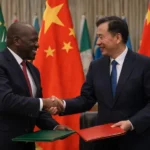
When China canceled Rwanda’s RMB 50 million (≈ USD 7.1 million) interest free loan in 2022 for the Masaka–Kabuga road, it did more than erase a debt. It built trust. It showed that under certain circumstances China can convert loans into grants. For Rwanda, that act has become diplomatic capital, a foundation for pushing for more favorable terms in future deals based on performance. Meanwhile, when in January 2025 Rwanda and China signed a USD 47 million concessional financing deal for the Giseke Dam and Irrigation Project in Gisagara District, it signaled a shift: from symbolic forgiveness toward strategic development cooperation in more critical sectors.
But this deepening cooperation is not without peril. Debt sustainability looms large: even concessional loans must be repaid, and if the projects underperform or revenue streams falter, Rwanda could find its debt burden straining public finances. China’s funding models may carry conditionality that favors use of Chinese contractors, materials, or services — diminishing local value capture and limiting real transfer of skills. Transparency and oversight are also critical risk zones.
When key terms interest rates, grace periods, repayment schedules, performance benchmarks are opaque, cost overruns, corruption, or inefficiencies become more likely, and public trust may erode. If China grants substantial waivers or flexibility here, other countries may request similar treatment potentially constraining Beijing’s willingness in the future. Finally, macroeconomic and external vulnerability adds a twist: global interest rates, inflation, commodity prices, currency swings, or climate shocks could all exacerbate repayment burdens or disrupt project viability.
Nonetheless, the “no-political-strings-attached” policy that China often emphasizes does offer potential advantages for Rwanda and other African countries. Under this approach, partner countries can preserve greater autonomy over their development priorities and select projects that are better aligned with local needs rather than having external political or ideological conditions imposed. It can simplify negotiations and reduce delays tied to political conditionality. And in many cases, it allows more flexible collaboration for example in how infrastructure is built or technologies are adopted increasing the opportunity for local decision makers to influence outcomes.
If coupled with strong domestic capacity for oversight, financial planning, and ensuring accountability, Rwanda could harness this “no-strings” framework to secure funding that maximizes local benefits, fosters skills development, and supports sustainable growth without ceding undue control or compromising financial stability.