
By Senior Editor-China Africa News
Kigali, On 22 October 2025, China’s Ambassador to Rwanda, Gao Wenqi, met with Rwanda’s Minister of Public Service and Labour, Christine Nkulikiyinka, at her Kigali office to take stock of how China and Rwanda have collaborated on training human capacity and to chart the next phase of their cooperation.
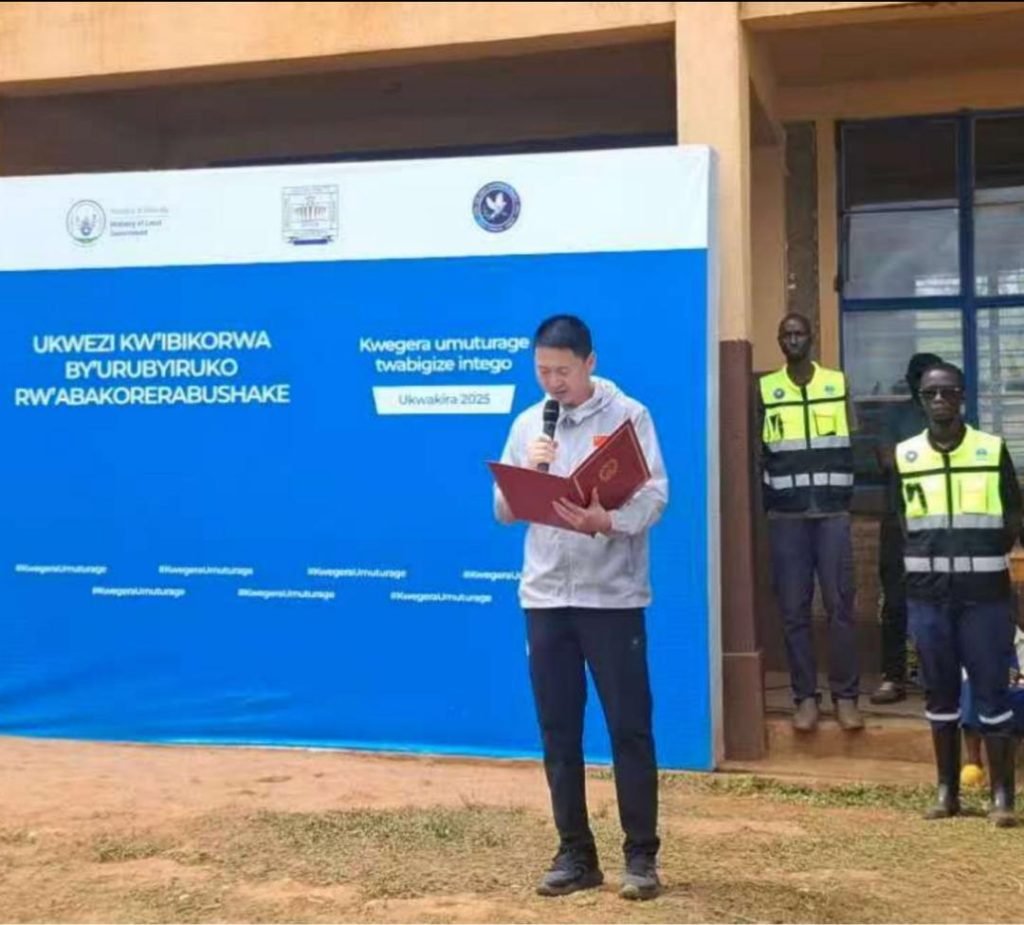
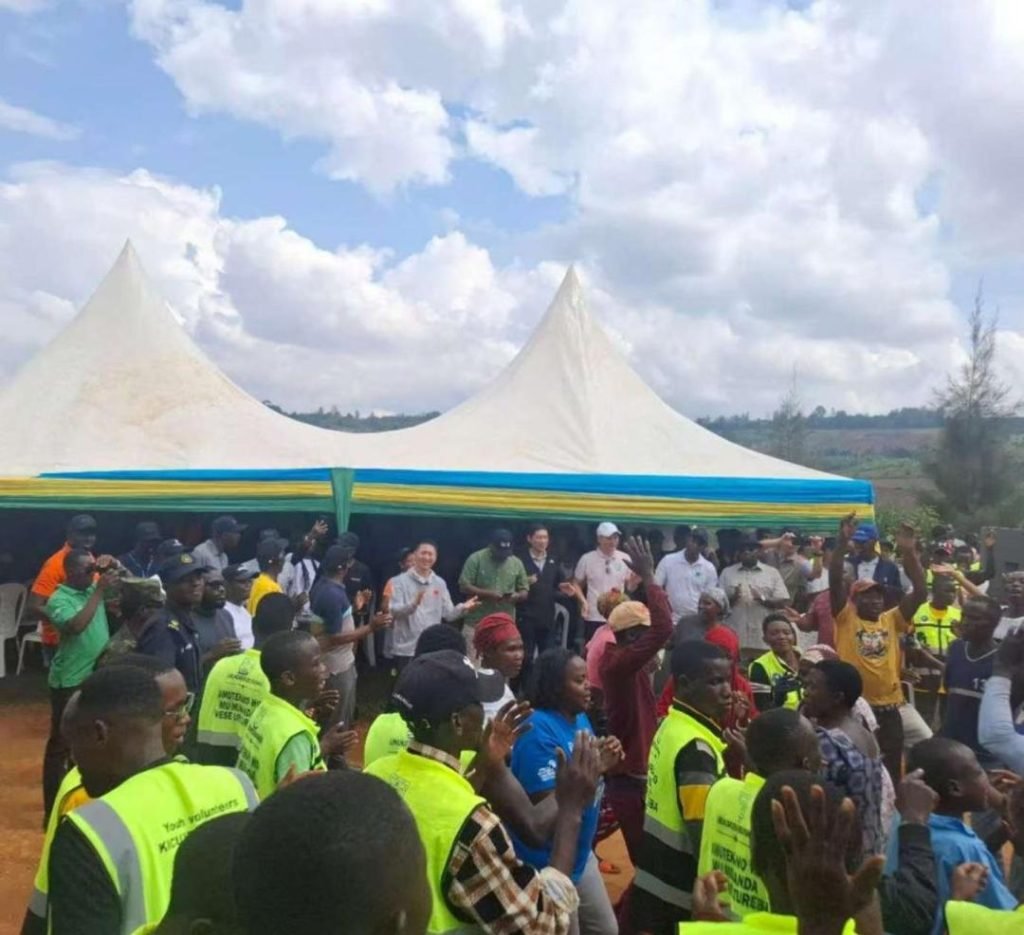
Earlier, on 18 October, Ambassador Gao joined a special umuganda (community service) event in Masaka Sector, Kicukiro District, where members of the Rwanda-China Alumni Organisation (RCAO), Chinese Embassy staff and local residents planted some 6,000 trees as part of Kigali’s city-wide greening drive. “Umuganda combines Rwanda’s tradition of helping each other with a modern spirit of national unity,” Gao remarked.
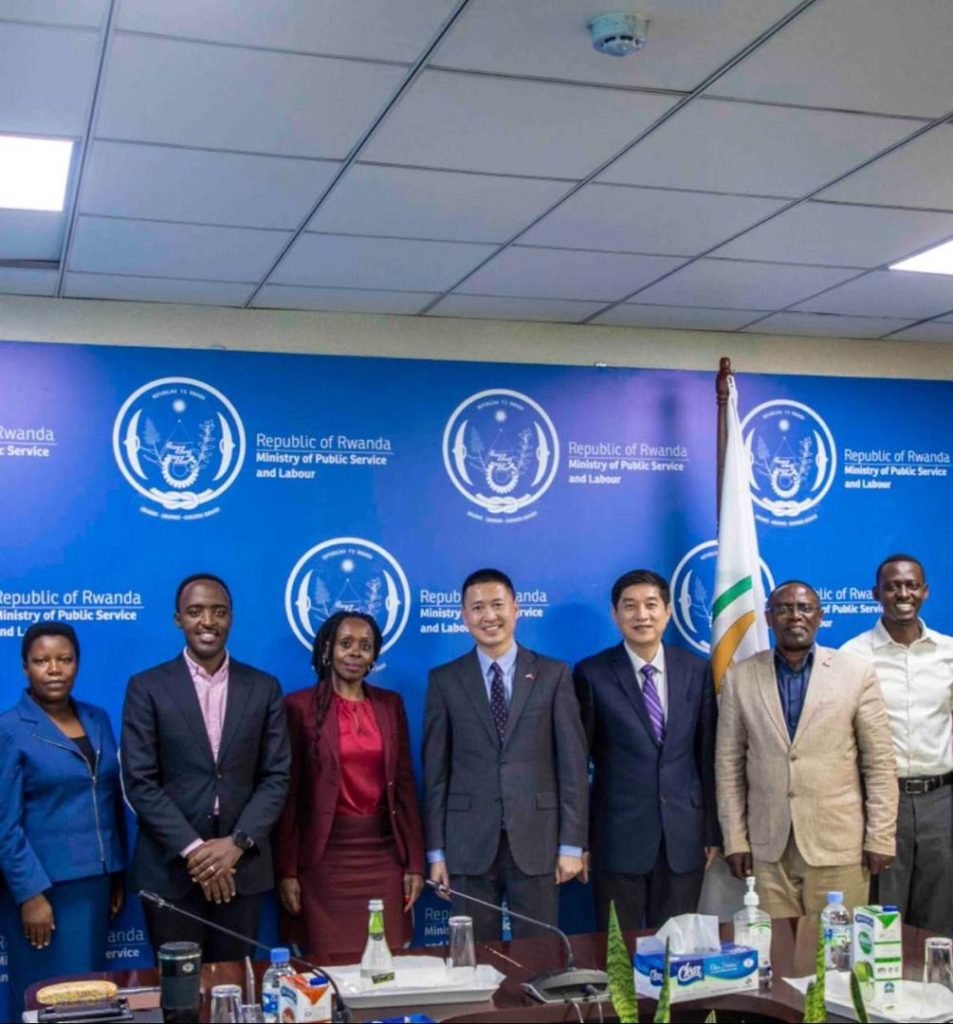
These two engagements one in a ministerial boardroom, the other on the hillside of Masaka illustrate a deeper shift in China-Rwanda relations.Where earlier ties skewed toward infrastructure, trade and construction, the emphasis is now increasingly on skills, people-to-people links and civic engagement.
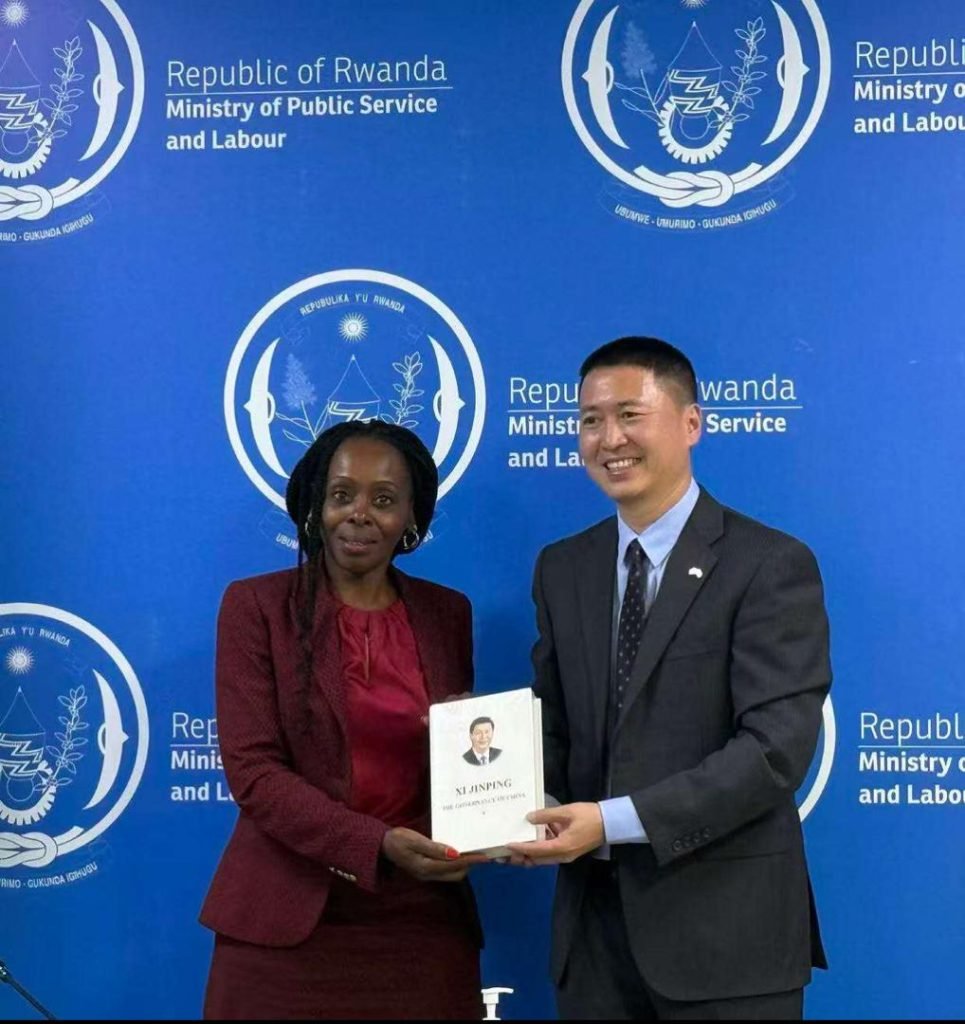
In the meeting with the minister, Gao underlined China’s readiness to deepen bilateral cooperation in areas such as artificial intelligence and the medical sector. Minister Nkulikiyinka expressed gratitude for China’s long-term support for human-resource development and signalled Rwanda’s openness to broaden the collaboration.
Meanwhile the tree-planting exercise serves as more than an environmental initiative it reflects how returned Rwandan scholars educated or trained in China (via the RCAO) are acting as bridges between the two countries. The ambassador called the umuganda a “bridge between our people,” underscoring how civic traditions in Rwanda mesh with broader diplomatic goals.
For Rwanda,which is pursuing a transformation into a knowledge-based society, this evolving relationship matters. Human-resource development not just roads and factories is increasingly at the centre of its partnerships. From digital education platforms supported by Chinese firms in Rwanda to community service collaborations, the focus is on building systems, capacity and local leadership.
For China, this pattern demonstrates a shift in its Africa strategy: less purely about resource access or infrastructure, more about long-term capacity, training and sustainable partnerships. Rwanda’s example suggests that cooperation built around skills, civic connection and mutual accountability may offer more enduring value.
Of course, the promise must be matched by execution. Rwanda will need to ensure that training and capacity-building translate into jobs, innovation and local enterprise. China and Rwanda alike must maintain transparency, local ownership and alignment with national priorities. But the two scenes in Kigali ministerial and grassroots signal a partnership that aims to go beyond bilateral courtesy into shared growth.
In the end, as Rwanda plants trees on one hill and opens education and health partnerships on another, China and Rwanda are not just forging projects they are cultivating a shared pathway for development and mutual investment in people.