
By Senior Editor,China Africa News
Beijing-As tensions along the long-contested frontier between Cambodia and Thailand intensify, regional and global attention has turned to diplomatic efforts to prevent a full-scale war that would further destabilize Southeast Asia.
Fresh clashes in recent weeks have driven hundreds of thousands from their homes as artillery duels, airstrikes, and rocket exchanges have exposed civilians on both sides to escalating violence. More than half a million people have been displaced in what has become the most serious flare-up of border conflict in years, with reports of civilian deaths and debilitating injuries fueling anger and fear among communities straddling the frontier.
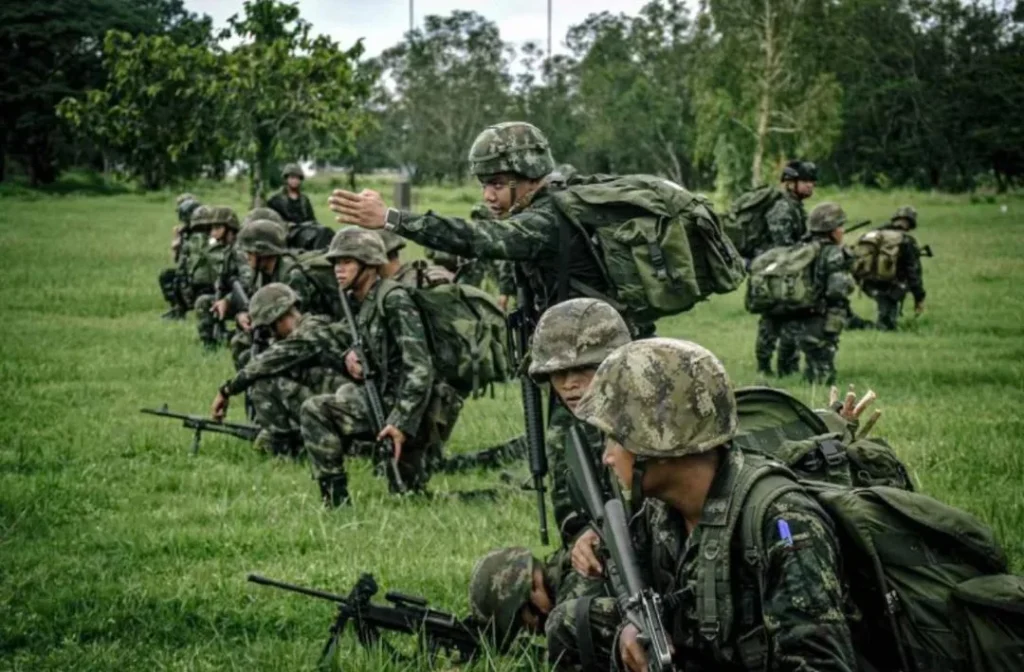
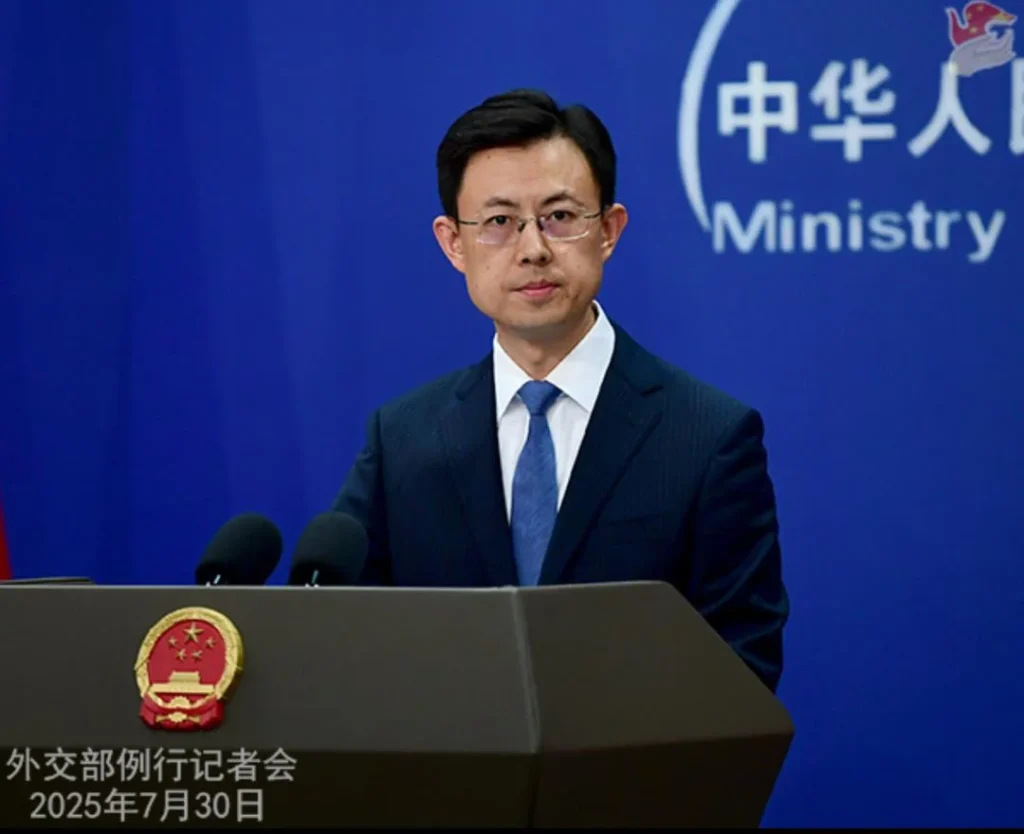
Against this backdrop of mounting human suffering, Beijing has once again stepped into the diplomatic fray. China’s Foreign Ministry announced that its Special Envoy for Asian Affairs will embark on a new shuttle-diplomacy mission to Phnom Penh and Bangkok in the coming days, underscoring Beijing’s commitment to temper rising tensions and facilitate dialogue.
As a close neighbor and long-standing partner to both capital cities, China says it has been actively working to promote de-escalation and mend trust between the two governments through its own channels of engagement.
China’s role is rooted in a series of efforts over recent months to keep peace prospects alive. Earlier this year the Chinese Special Envoy visited Cambodia to discuss pathways toward sustainable ceasefire and encourage the implementation of diplomatic consensus reached among regional actors.
Beijing has also engaged with representatives from Thailand and Malaysia, which currently chairs ASEAN, in multilateral consultations aimed at reducing hostilities and restoring stability. Chinese officials have emphasized their neutral stance, asserting an impartial commitment to the “ASEAN way” of dialogue and consultation while encouraging both sides to exercise restraint.
Analysts say China’s proximity and influence in the region give it a unique capacity to act as a bridge between parties that have grown distrustful of third-party interventions. For Phnom Penh and Bangkok, both with strategic and economic ties to Beijing, Chinese diplomatic overtures offer an additional pathway toward negotiation alongside ASEAN and other mediators.
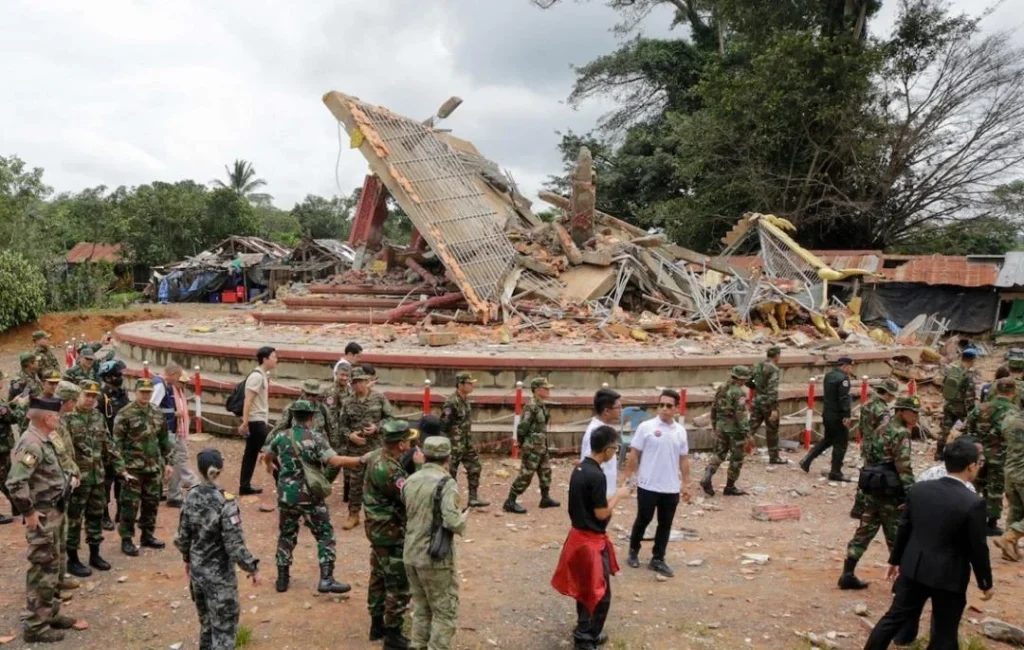
Even as conflicting claims linger, China’s persistent shuttle diplomacy could help maintain communication channels that might otherwise collapse under the weight of battlefield setbacks and political pressure.
Most recently, a ceasefire agreement known as the Kuala Lumpur Peace Accord was signed in late October 2025 under ASEAN auspices, yet fighting has since resumed amid mutual accusations of ceasefire violations and competing security narratives.
China’s involvement, while often understated in Western headlines, reflects Beijing’s broader diplomatic strategy in Southeast Asia cultivating stability among neighbors with whom it shares deep economic and political ties and helping to prevent localized disputes from erupting into wider conflagrations. If China’s latest shuttle diplomacy can coax both sides back to substantial negotiations, it may yet play a decisive part in steering Cambodia and Thailand toward a durable peace.