

By Cremilda Macuácua, China Africa News
JINHUA, Zhejiang Province-Chinese human rights experts and their African counterparts have launched the China-Africa Human Rights Research Think-Tank Cooperation Network and officially opened the China-Africa Human Rights Research Center at Zhejiang Normal University, creating a new platform for deeper engagement and exchange.
The launch took place during an academic seminar on human rights cooperation held here in celebration of World Human Rights Day, bringing fresh energy and focus to shared goals.
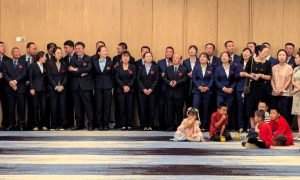
Hosted by the Institute of African Studies at Zhejiang Normal University, the seminar welcomed nearly 100 scholars, practitioners and specialists from China and African countries. The gathering wasn’t just a series of speeches it was a meeting of minds and experiences, where participants explored how human rights can be advanced through practical cooperation, inclusive development and mutual learning.
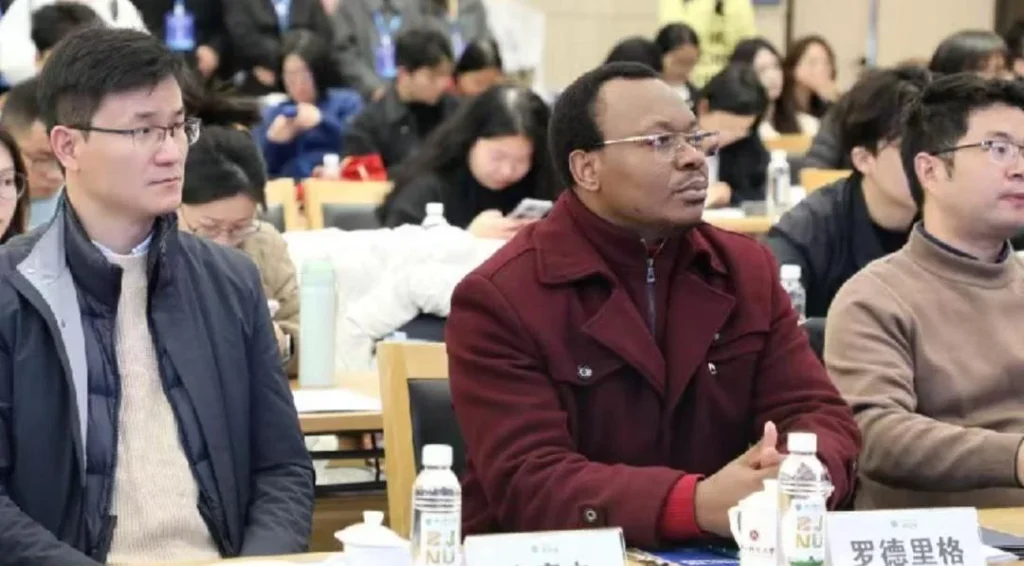
“Protection of human rights is the common aspiration of people from all countries and the cornerstone of building a community with a shared future for humanity,” said Zhang Jianzhen, Vice President of Zhejiang Normal University, capturing the spirit of unity that underpinned the day’s discussions.
The creation of the new think-tank network and research center represents more than institutional expansion it reflects a shared recognition of where gaps have existed and the promise of filling them together.
Participants noted that while China and African nations have long engaged in dialogue on human rights, there has been a need for sustained, collaborative research that brings African perspectives alongside Chinese insights and contextualizes human rights within broader frameworks of development, governance and social well-being.
For many African scholars, this cooperation resonates deeply: human rights are not an abstract concept but are embodied in people’s daily lives, their access to education, health care and economic opportunities.
One visiting academic highlighted how development forms the foundation of human rights, pointing out that without improving living conditions and expanding opportunities, discussions about rights risk remaining aspirational. This aligns with ongoing calls for human rights approaches that are grounded in local realities and cultural contexts.
Shen Yongxiang, Vice President of the China Society for Human Rights Studies, described the network’s establishment as “of great significance,” expressing hope that it will generate high-quality research that is forward-looking, constructive and operational research that truly reflects the voices and priorities of China and Africa working in partnership.
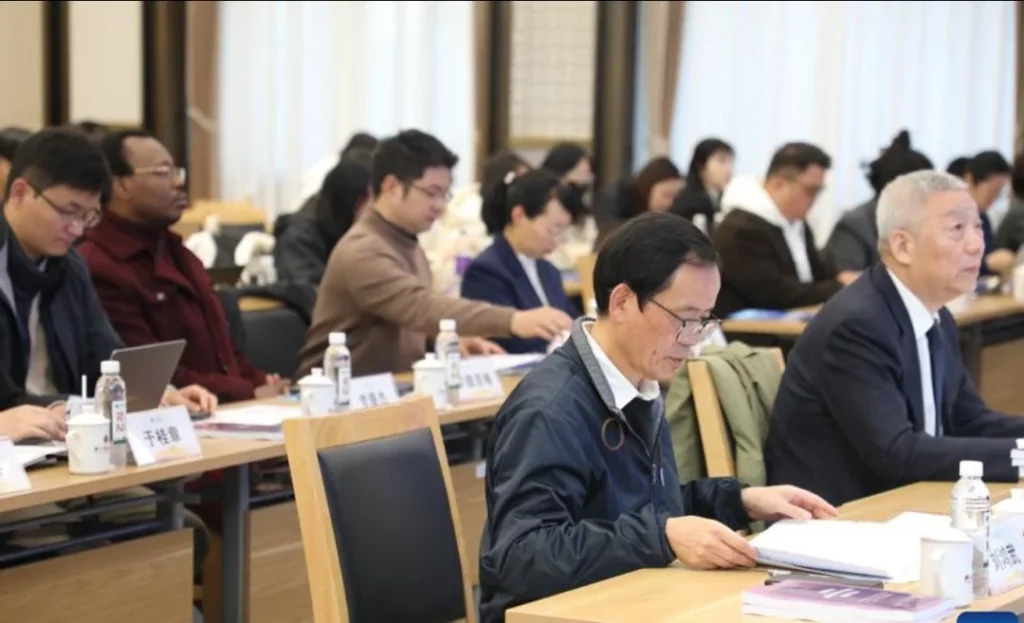
The seminar also connected these discussions to broader global frameworks, with participants exploring how China’s four global initiatives development, security, civilization and governance can offer relevant frameworks for enhancing human rights cooperation and addressing shared challenges. Such frameworks are seen as offering policy coherence and new points of connection between nations as they work together on global governance and sustainable development.
For China, the cooperation network offers another avenue to deepen academic and policy exchanges with African partners, demonstrating a commitment to inclusive dialogue and shared progress. For African partners, the network presents opportunities to advance research, influence international discourse and strengthen regional perspectives within global human rights conversations.
Looking ahead, both Chinese and African participants expressed optimism that this initiative will help bridge knowledge gaps, strengthen mutual understanding, and support practical cooperation, ultimately contributing to more balanced, grounded and cooperative approaches to the complex human rights challenges of the 21st century.