
By Senior Editor,China Africa News
KINSHASA — Beneath the rainforests and terraced hills of the Democratic Republic of the Congo lies a prize the 21st‑century world cannot ignore: vast reserves of cobalt, coltan, copper, lithium and other critical minerals that power electric vehicles, renewable energy technologies, and advanced electronics. This geological fortune has thrust the DRC into the center of a strategic rivalry between China and the United States, and Kinshasa is learning not just to manage it but to use it to its advantage.
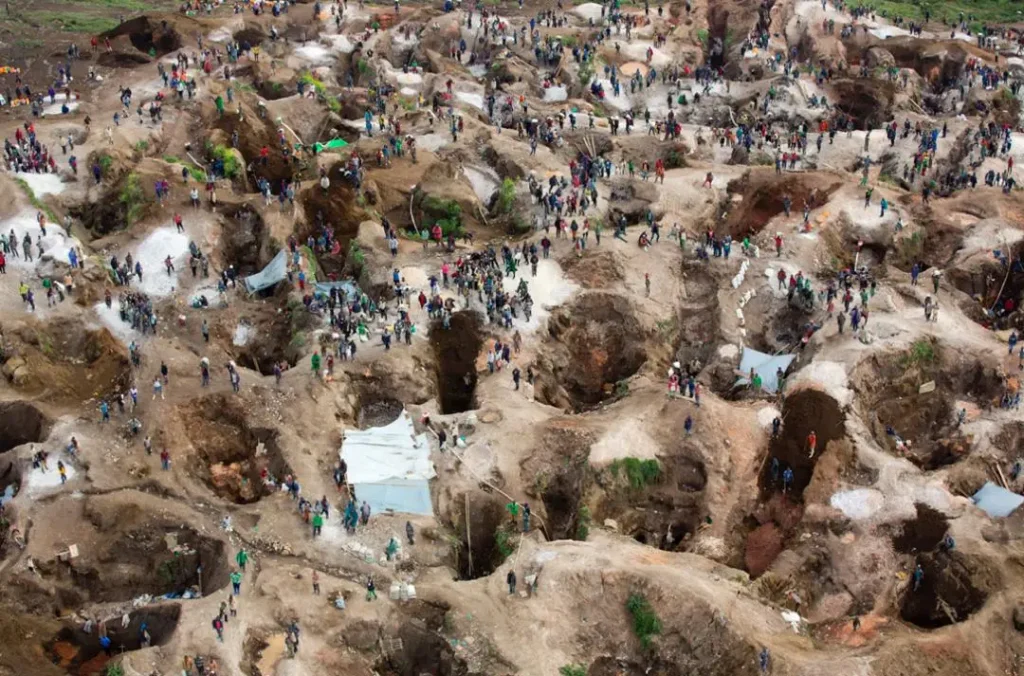
For decades, China has been the dominant force in Congolese mining. Beijing’s resource‑for‑infrastructure model, crystallized in the 2007 Sicomines deal, wove Chinese companies deeply into the country’s mineral sector and infrastructure projects, giving them substantial control over mining output and refining capacity. Chinese state‑backed capital now underpins an overwhelming share of the DRC’s mineral production and downstream refining, making China an indispensable partner in global supply chains.
However, this dominance is increasingly contested. Over the past several years, the United States has stepped up its engagement, driven by concerns over supply‑chain security and strategic competition with China. Washington has pursued frameworks that tie access to Congo’s critical minerals with infrastructure investment, peace‑building initiatives, and regional security cooperation signaling a shift from passive interest to active strategic competition.
This shift reflects a broader evolution in U.S. policy: Washington is not merely asking for access to raw materials but is proposing a package of investment, development, and security support in return. Such an approach blends geopolitical strategy with economic diplomacy a response to China’s entrenched position and the DRC’s own demands for development‑oriented partnerships.
At the strategic level, the United States’ intensified engagement in the DRC reflects more than a bid for minerals it is part of an effort to weaken China’s near‑monopoly on critical mineral supply chains that are vital to modern technology, defense industries and the green energy transition. Washington’s push to secure long‑term access to Congolese cobalt, copper, lithium and other strategic resources including support for infrastructure projects like the Lobito Corridor, bilateral strategic cooperation frameworks, and peace‑linked deals is designed to diversify global supply and reduce Beijing’s leverage over these indispensable commodities. To blunt this challenge and maintain its influence, China would likely need to deepen its economic and diplomatic engagement in the region, moving beyond its established mining‑centric model toward broader value‑added partnerships that include industrial development, shared infrastructure, and long‑term co‑investment in Congolese sovereign goals.
This would involve promoting industrialization within the DRC, extending technology transfer arrangements, and reinforcing socio‑economic ties that mitigate Washington’s appeal. Strengthening these ties could help Beijing retain its dominant position even as U.S. involvement expands.
Yet Kinshasa is not simply swapping one overlord for another. Congolese leaders have made clear that any cooperation must serve national priorities: local industrialization, job creation, value addition, and sovereignty over resources. The government has also recently tightened regulations on artisanal processing of cobalt and copper to improve transparency and curb illicit exports steps that enhance governance and strengthen Kinshasa’s leverage in negotiations.
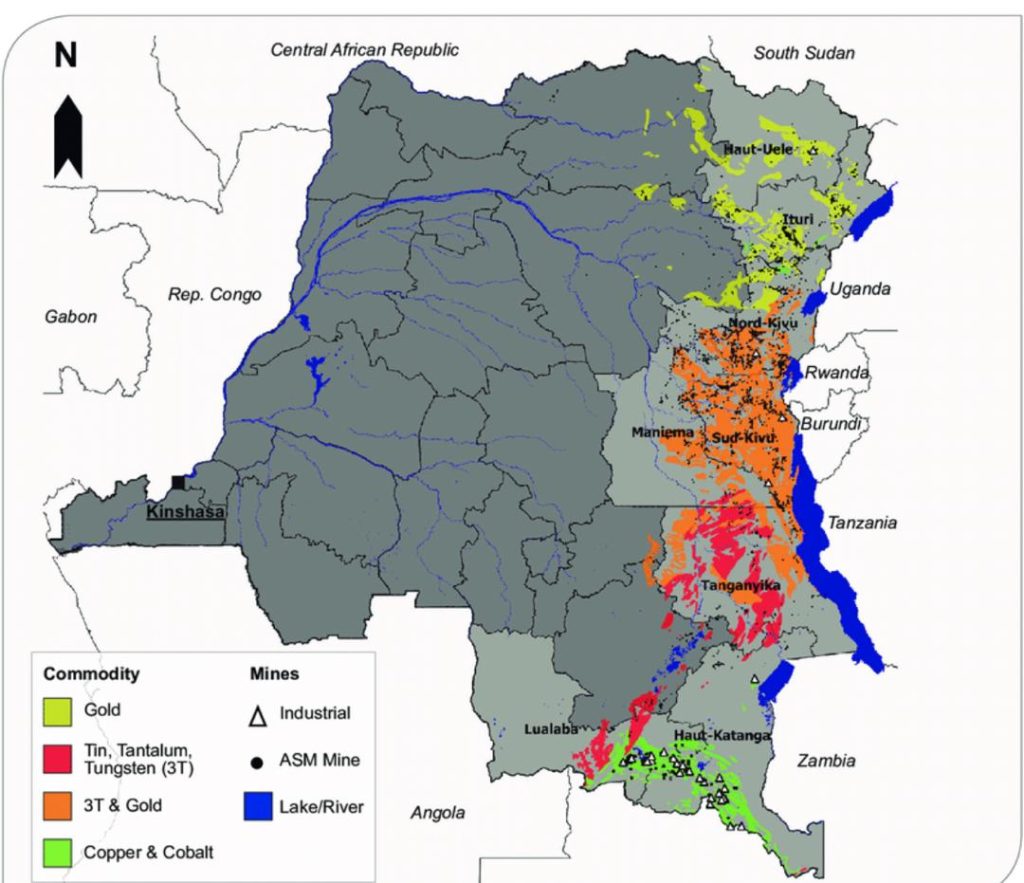
This strategy of strategic diversification and conditional engagement reflects a growing confidence: rather than aligning exclusively with Beijing or Washington, the DRC is leveraging external competition to extract better terms and foster development‑aligned deals. Analysts note that this rare moment of global rivalry could enable African states like the DRC to negotiate from strength rather than subsistence shaping partnerships that align with national development goals.
However, significant challenges remain. China’s decades‑long engagement has left it with deep structural advantages including entrenched refining capacity, long‑term investment relationships, and extensive operational presence that U.S. actors have yet to match on the ground. Meanwhile, insecurity and poor governance in eastern Congo continues to complicate investment, governance, and enforcement of regulatory reforms.
For Kinshasa, successfully managing this tightrope walk between Beijing and Washington will require diplomacy, domestic reform, and a clear development vision. Demanding transparency, insisting on local beneficiation of raw materials, and attracting a truly diversified set of partners are central to turning global competition into an engine for national progress rather than allowing the DRC to become a mere battleground for great‑power rivalry.
In the end, Congo’s approach may become a model for other resource‑rich nations not as a surrender to great‑power pressures, but as a strategic leveraging of global competition for sovereign advancement.