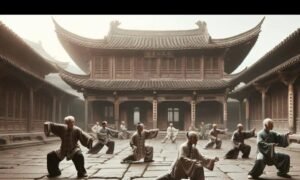

What was once dismissed as ceremonial pageantry tea ceremonies, martial arts displays, drum performances has quietly evolved into one of the most strategic pillars of China Rwanda relations: cultural exchange. Far from being mere diplomacy-by-theater, these initiatives now serve as a pragmatic tool for economic empowerment, soft power consolidation, and human capital development.
Over the past decade, as Beijing’s economic footprint in Africa has grown, so too has its cultural presence. In Rwanda, that presence is neither ornamental nor one-directional. Instead, cultural diplomacy has become a two-way street advancing skills, fostering familiarity, and reducing friction in a rapidly deepening partnership.
From Soft Power to Hard Outcomes
At the heart of this transformation is the Confucius Institute at the University of Rwanda, where Mandarin classes and cultural education have become gateways to employment. For many young Rwandans, fluency in Chinese is more than a language skill it is a ticket into fast-growing sectors such as tourism, logistics, and Chinese-led enterprises. As Chinese investment continues to flow into Rwanda’s infrastructure and agriculture sectors, the demand for bilingual professionals is rising. These graduates are increasingly filling that gap.
This is soft power with hard outcomes.
What makes this evolution especially notable is its embeddedness in Rwanda’s broader development goals. By integrating cultural education into its national strategy, Rwanda is not simply reacting to external influence it is leveraging it. Language training has become workforce development. Cultural events are now platforms for tourism and investment promotion.
Across Kigali, Chinese cultural celebrations have become common place. Annual Lunar New Year events, calligraphy workshops, tea tastings, and martial arts demonstrations attract large and diverse crowds. These events humanize bilateral ties, bringing ordinary citizens into a relationship too often reduced to state visits and funding agreements.
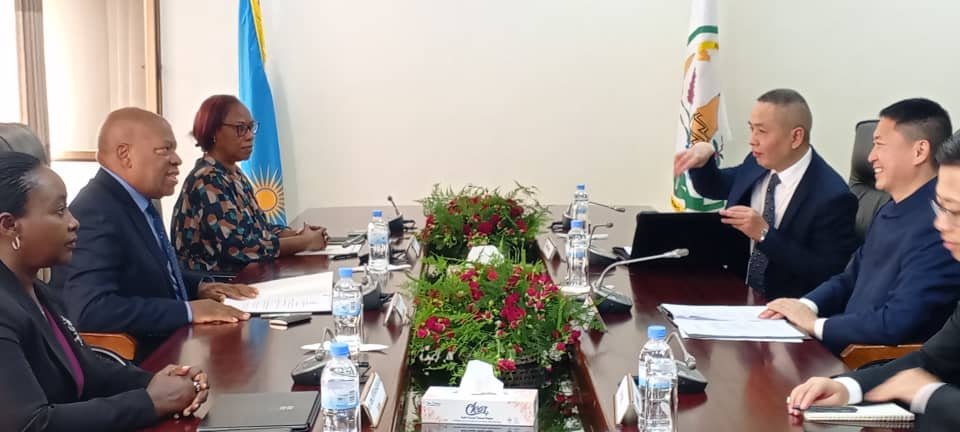
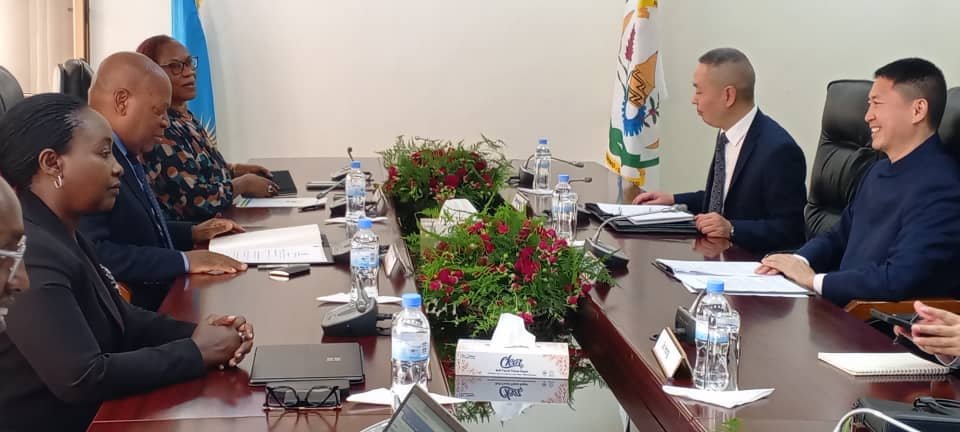
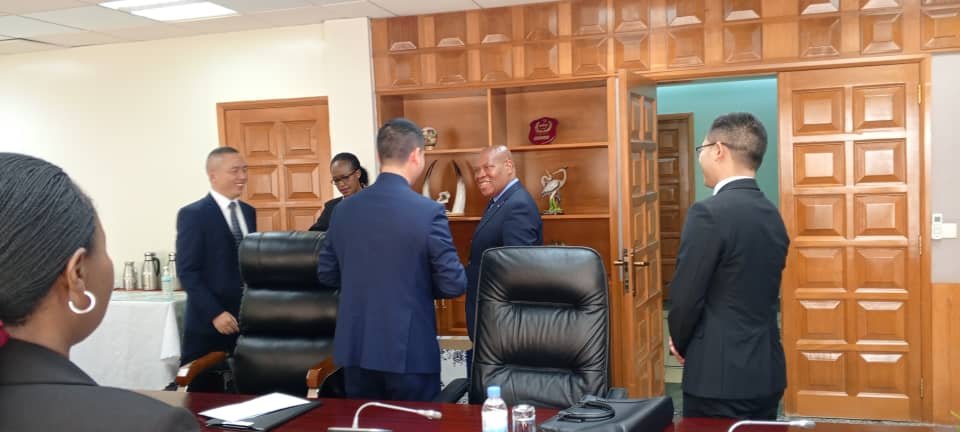
The Chinese Embassy in Kigali has played a central role, curating exhibitions of Chinese art, cuisine, and music that not only celebrate Chinese identity but invite Rwandans into shared cultural spaces. These events do more than entertain they establish familiarity, reduce cultural friction, and build the kind of social trust that facilitates smoother business, diplomatic, and academic cooperation.
Meanwhile, Rwanda is not merely a passive recipient of this exchange. The country has increasingly projected its own culture outward. Rwandan dance troupes have performed in Beijing; local literature is being translated into Chinese; and cultural diplomacy efforts are telling a story of a Rwanda that is not defined by its past, but by its creativity, resilience, and ambition.
In this reciprocal flow of ideas and art, cultural exchange becomes a narrative tool—shaping how each country sees the other, and how Rwanda positions itself on the global stage.
Bridging the Trust Gap
For officials and observers, the significance of these exchanges goes beyond symbolism. In contexts where infrastructure projects or trade negotiations can be slowed by mutual misunderstanding, cultural diplomacy smooths the path. In short: it’s easier to build a road or sign a contract when the people involved trust one another and that trust is cultivated not only in boardrooms but also in classrooms, concert halls, and community centers.
Language and culture, once seen as peripheral, are now at the core of development cooperation. They help explain intent, translate ambition, and neutralize suspicion. As China’s presence in Rwanda deepens, mutual understanding becomes not just nice to have—but necessary.
A Strategic Layer in Rwanda’s Development Vision
Rwanda’s leadership has long emphasized branding, innovation, and human capital. In this context, cultural exchange is not just about aesthetics—it’s part of a strategy. With ambitions to become a regional hub for services and knowledge, the ability to navigate Chinese culture and business norms is fast becoming a competitive advantage. For a generation of Rwandans entering the workforce, cultural literacy is an economic asset.
Moreover, by projecting its own culture abroad, Rwanda is shifting from a country that receives development assistance to one that engages as an equal partner—one that not only receives investments but shares its story on its own terms.
Not Just Symbolism, But Strategy
What emerges from this evolving partnership is a nuanced view of culture not as window dressing, but as infrastructure. Just as roads and railways facilitate trade, cultural exchanges facilitate cooperation. The dividends may be less immediately visible than a new airport or dam, but over time, they are no less transformative.
In the China–Rwanda relationship, the drumbeat of diplomacy is increasingly accompanied by the rhythm of cultural exchange. And in that rhythm lies not just mutual admiration, but mutual advancement.