
By Sylivanus M.Karemera,China Africa News
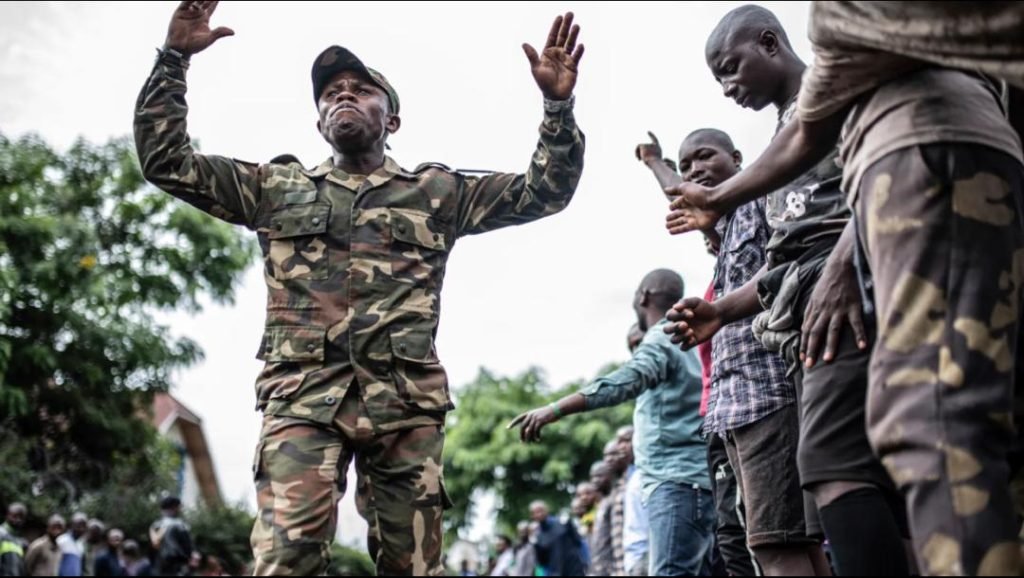
DRC-The war in the eastern Democratic Republic of the Congo (DRC) exploded into renewed intensity in 2022 when fighters of the rebel movement M23 launched a large‑scale offensive, arguing that Kinshasa had failed to implement the March 23, 2009 peace deal that gave the movement its name and that its people’s grievances had gone unanswered.
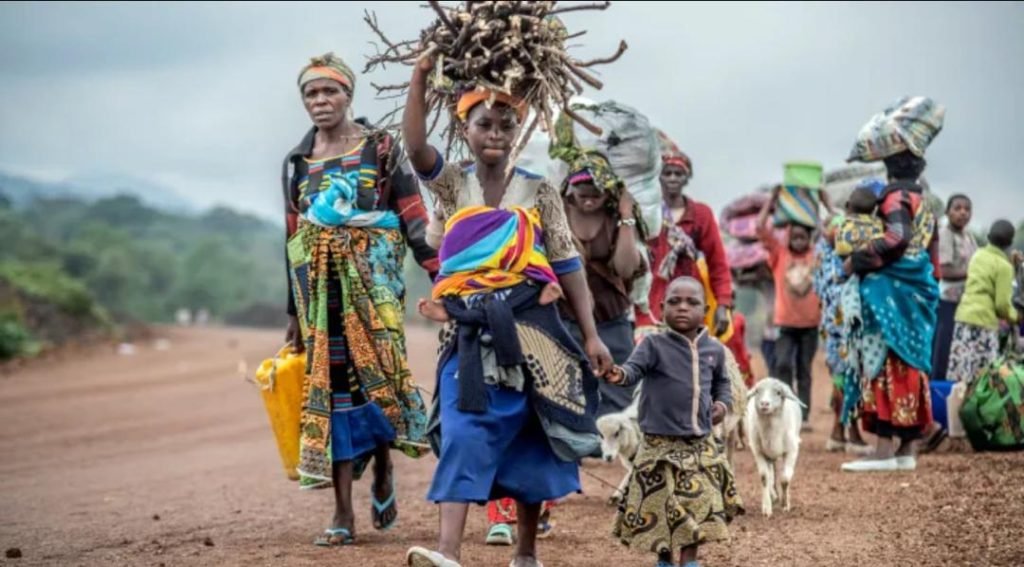
Since then, M23 fighters have seized key cities such as Goma and Bukavu, pushing deep into South Kivu province. The advance of M23, which controls strategic areas, has so far occurred amid repeated calls from both the group’s leadership and regional blocs for an immediate ceasefire and revival of peace talks, yet the fighting persists with devastating consequences for civilians, displacing millions and killing thousands.
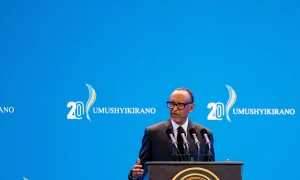
President Félix Tshisekedi of DRC has taken an unyielding public stance against negotiating directly with M23, insisting that dialogue with what his government brands “terrorists” would be unacceptable, and aligning much of his rhetoric not just against the rebels but squarely at neighboring Rwanda, which he accuses of sponsoring the insurgency and violating Congolese sovereignty.
In speeches and televised addresses, Tshisekedi has warned of a “rigorous and coordinated response” to the rebels and their alleged backers and has urged his population to resist what he terms external aggression while condemning silence from international institutions. Instead of engaging M23 politically, he has amplified accusations of Rwandan interference, framing Kigali’s actions as provocations that undermine regional stability and insult Congolese dignity. Rwanda has denied these allegations, warning that scapegoating Rwanda for the DRC’s internal governance failures would only escalate tensions rather than provide solutions.
Critics argue that Tshisekedi’s refusal to enter direct talks with M23 is not only a matter of principle but also a political cover for mounting setbacks on the battlefield and a way to deflect domestic criticism of his inability to halt rebel advances. As M23 forces make territorial gains, including over crucial mineral zones that are central to eastern Congo’s economy, the government’s narrative of external blame helps shift public focus away from its own strategic failures and the palpable fear among civilians who no longer feel protected by the state. The relentless military approach, supported by strong rhetoric against Rwanda, has done little to stop the conflict and may in fact be deepening the sense of insecurity and frustration among Congolese communities, especially Kinyarwanda speakers, particularly Congolese Tutsi who continue to face persecution and exclusion.
The international community’s response has been mixed and at times aligned with Kinshasa’s framing rather than challenging it. Western powers and multilateral institutions have issued criticism of Rwanda’s alleged involvement and at times imposed sanctions, but there has been less consistent pressure on the Congolese government to negotiate directly with the rebels or to pursue political solutions that address the underlying causes of the conflict. Instead, some diplomatic engagement has appeared to prioritize strategic alliances, security cooperation, and even potential economic opportunities linked to Congo’s vast mineral wealth, including discussions over mining partnerships with the United States and other nations that see the DRC’s resources as critical to global supply chains.
These external interests economic, geopolitical, and security‑driven risk escalating the conflict rather than calming it.
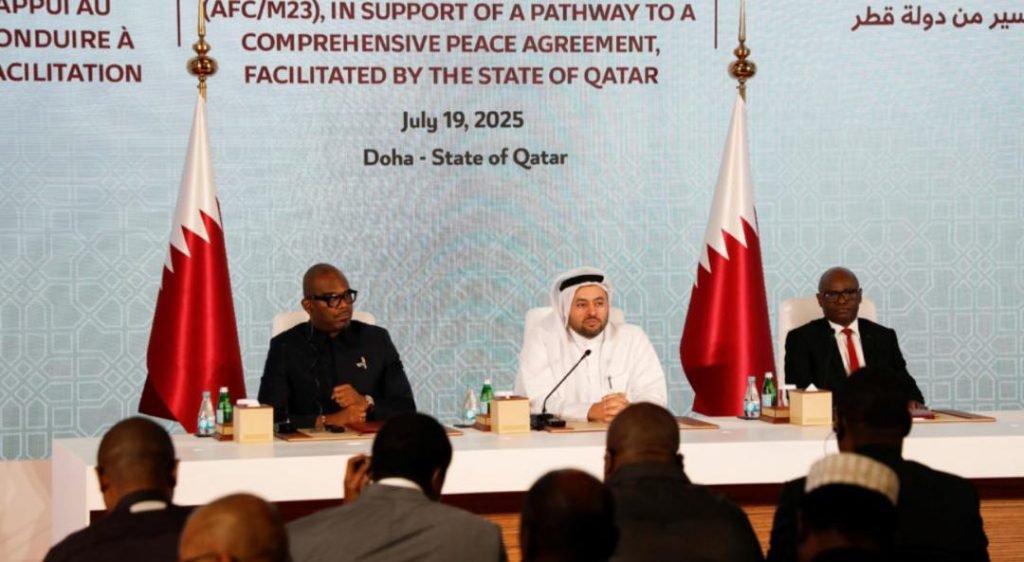
The DRC government seems to have lost its appetite for the Doha peace process, especially after the United States issued strong criticism against Rwanda. This is not the first time Tshisekedi has taken such a stance each time he receives international backing he withdraws the intent for possible negotiations with AFC/M23. This behavior not only escalates the conflict but also delays the attainment of durable peace. The question has always been: Doesn’t the international community really understand the root causes of this conflict? If it does, why are they behaving this way by taking one side?
When international actors focus predominantly on blame and alignment for their own strategic gains, vital opportunities to push for genuine dialogue and inclusive negotiation are diminished. Congo’s eastern provinces, rich in minerals like cobalt, coltan, and tin that are essential to technology and energy markets, have long attracted foreign companies and governments eager to secure access. In this environment, diplomatic support for Kinshasa’s hardline rhetoric at the expense of innocent civilians can inadvertently serve economic interests that stand to gain from continued instability and advantageous extraction deals rather than peace.
The consequence of this strategic dance is a conflict that continues to inflict immense suffering across the region, with peace processes collapsing one after another, and a leadership strategy that increasingly emphasizes military resistance and external blame over political compromise and reconciliation. Civilians, caught in the crossfire and displaced from their homes, see little promise of safety or return as long as negotiations are rejected and international attention remains focused on geopolitics and resource considerations.
If peace is to have any real chance on Congo’s soil, it will require a recalibration of approach one that presses not just against alleged external interference but equally urges inclusive internal negotiations offering tangible pathways to reconciliation and stability. Only then can the cycle of violence be broken and a future envisioned where Congolese do not have to choose between ongoing conflict and silence.