
Canton Fair’s growing import pavilion feels like a message as much as a marketplace: trade must flow both ways, not just out of China and into the world, but into China itself. As dozens of international firms dispatch “exhibits for import” to Guangzhou, the scene quietly underscores a deeper ambition one that carries particular promise for Africa and for reimagining China as a partner rather than just a supplier.
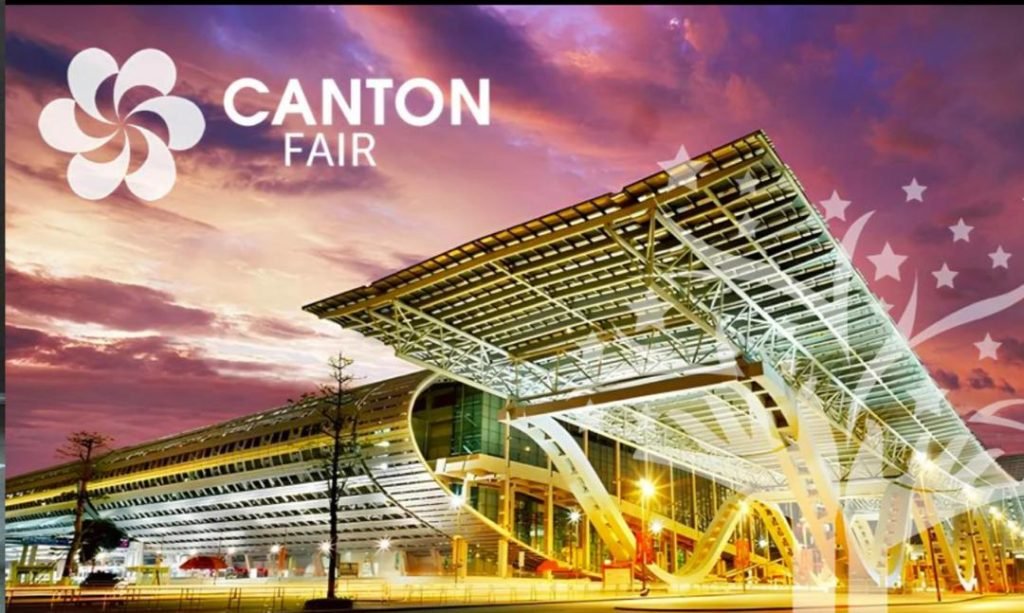
In recent weeks, Guangzhou Customs announced that 72 batches of import exhibits, valued at about ¥3.96 million (≈ US$557,000), had already entered the city ahead of the Canton Fair. These goods, coming from 222 exhibitors across 13 countries, span kitchen equipment, machinery, hardware and more. To smooth the flow, customs is waiving guarantee requirements, operating on-site supervision, and opening “green channels” to fast track clearance.
That procedural finesse matters enormously for trade partners. Efficiency and predictability in logistics can make or break a deal, especially for African firms that already face longer shipping routes, tighter margins, and greater sensitivity to delays. China’s willingness to treat import exhibits almost as a priority category signals openness to new sources, new products, and new relationships.
Already, the Canton Fair has proven to be a crucial arena for African buyers. A Senegalese purchaser visiting for the first time remarked:
“They’re so open about business; they’re also so open for advice … so I’m happy to be here in the Canton Fair.”
Another example: a Nigerian architect named Fadillah told interviewers she values being able to touch and inspect products in person, forging direct relationships rather than relying on intermediaries.
Such voices reflect a shift in mindset. Africa’s role is not only to import low-cost goods from China, but to negotiate, to present its own offerings, to engage in co-development. Trade becomes less uni-directional and more interwoven.
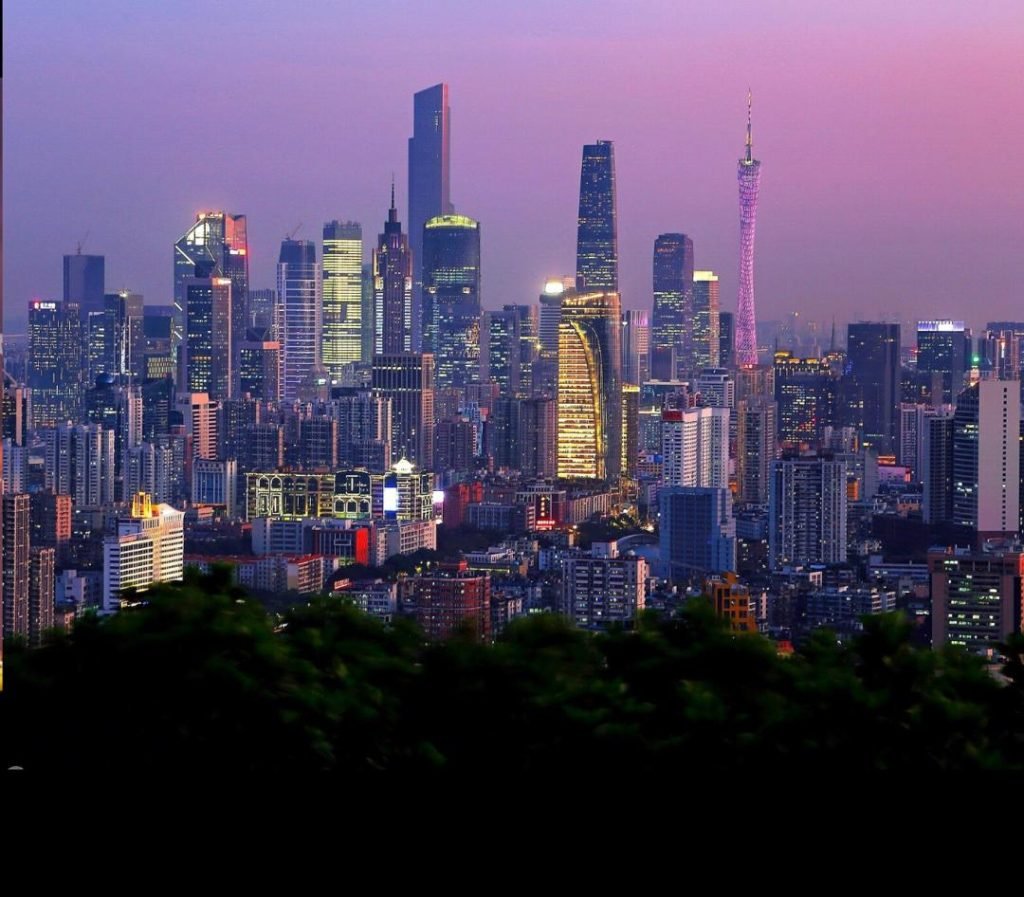
Guangzhou itself is key to unlocking that interweaving. Its location in the Pearl River Delta gives it immediate access to China’s most dynamic manufacturing clusters, as well as sea routes toward the Indian Ocean. Ports like Nansha link directly to Africa, while air freight from Guangzhou connects to multiple African cities.
The city also houses mature trade infrastructure customs expertise, bonded zones, and experience in handling large volumes of international exhibits. On top of that, Guangzhou already hosts sizable African merchant communities in its wholesale markets sometimes called “Little Africa” making it a bridge in culture as well as commerce.
In practice, that mix of geography, policy, and human linkages helps lower the cost and risk of entering China. For African exporters of specialty foods, textiles, processed agricultural goods, or artisanal products, Guangzhou offers a launchpad and the import pavilion is a showcase.
Of course, obstacles remain. African enterprises must meet Chinese quality standards, packaging regulations, and logistic timeframes. There’s also the task of ensuring smaller firms not just multinational exporters are able to participate meaningfully, absorbing what they learn, scaling carefully, and avoiding overdependence.
Still, the Canton Fair’s import show sends a signal: China wants sources beyond its borders, and seeks to position itself not only as exporter to Africa, but as importer from it. For Africa, this opens opportunities to diversify exports, deepen industrial capacity, and negotiate from a stronger posture. For Guangzhou, it reinforces the city’s role not just as “factory gate” but as global gateway, curator of exchange, and hub of commercial interconnection.
If Africa and China can turn the Canton Fair’s import pavilion into more than a display if they can make it a stepping stone to joint ventures, supply-chain integration, and shared prosperity then the real story being told in Guangzhou will be about partnership, not just trade.
The 138th Canton Fair opens in Guangzhou from October 15 to November 4, 2025, divided into three phases (Oct 15-19, Oct 23-27, Oct 31-Nov 4). During the exhibit, there will be display booths for thousands of exhibitors, featuring product launches, networking – forums, and matchmaking between buyers and sellers, along with customs facilitation for import exhibits.