

By Senior Editor, China Africa News
Beijing-China’s economic relationship with Africa has long been about more than numbers on a ledger. In 2025, that connection already decades in the making shows itself in bustling markets, open factories, free trade corridors, powered cities and communities gaining new opportunities. Bilateral trade continued its steady climb this year, building on policy choices made over recent seasons and an increasingly visible presence of Chinese companies and initiatives from Cairo to Cape Town.
Across Africa, barriers have been lowering. China’s decision to grant zero-tariff access to exports from 53 African countries helped open Chinese markets to a wider range of African goods, from coffee and peanuts to honey and avocados, all reaching Chinese consumers with fewer cost hurdles. This kind of policy shift doesn’t just encourage trade it gives local producers a chance to find buyers far beyond their home borders and to compete globally.
In Kenya, long-standing infrastructure partnerships have helped spur tangible development. Chinese involvement in major projects everything from road networks to port logistics has made it easier for farmers and entrepreneurs alike to move goods from farms and small factories to regional hubs and international export channels. Kenyan officials have highlighted the role of these partnerships in job creation and national economic growth, emphasizing how market access and infrastructure complement each other.
South Africa presents a vivid example of diversified benefits. This country’s exports from wine and rooibos tea to aloe products and avocados have found a strong market in China, where consumers increasingly demand high-quality foreign goods. At the same time, over 200 Chinese enterprises have invested across sectors including infrastructure, car manufacturing, mineral processing, renewable energy and the digital economy, creating jobs and stimulating local industries. People-to-people connections are growing too, from university programs that teach Mandarin to cultural exchanges across cities.
Northern Africa is not left out. Moroccan and Tunisian firms have leaned into expanded trade channels, capitalizing on better logistics and tariff structures to increase exports. Discussions about a continental “Gateway to Africa” trade corridor show how Sino-African cooperation is beginning to shape broader regional conceptions of connectivity not just within countries but linking markets across borders.
Elsewhere, agricultural partnerships between China and countries like Nigeria and Egypt are helping transform rural economies. Chinese agricultural technologies, such as hybrid seed varieties and farming methods, have been shared through demonstration projects and training camps, enabling yields to grow and helping farmers earn more for their harvests. Projects like these are designed to address food security and income generation together, and hundreds of local agricultural professionals have participated in training programs that spread new practices.
Across the Sahel and sub-Saharan regions, improvements in transport and power infrastructure funded or constructed in part by Chinese firms have shortened travel times between cities, eased the transport of goods, and connected remote villages to national grids. These investments from paved roads to expanded telecommunications networks don’t just increase trade volumes: they help children get to school, women access markets more easily, and small businesses reach new customers.
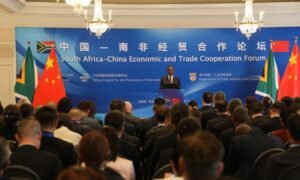
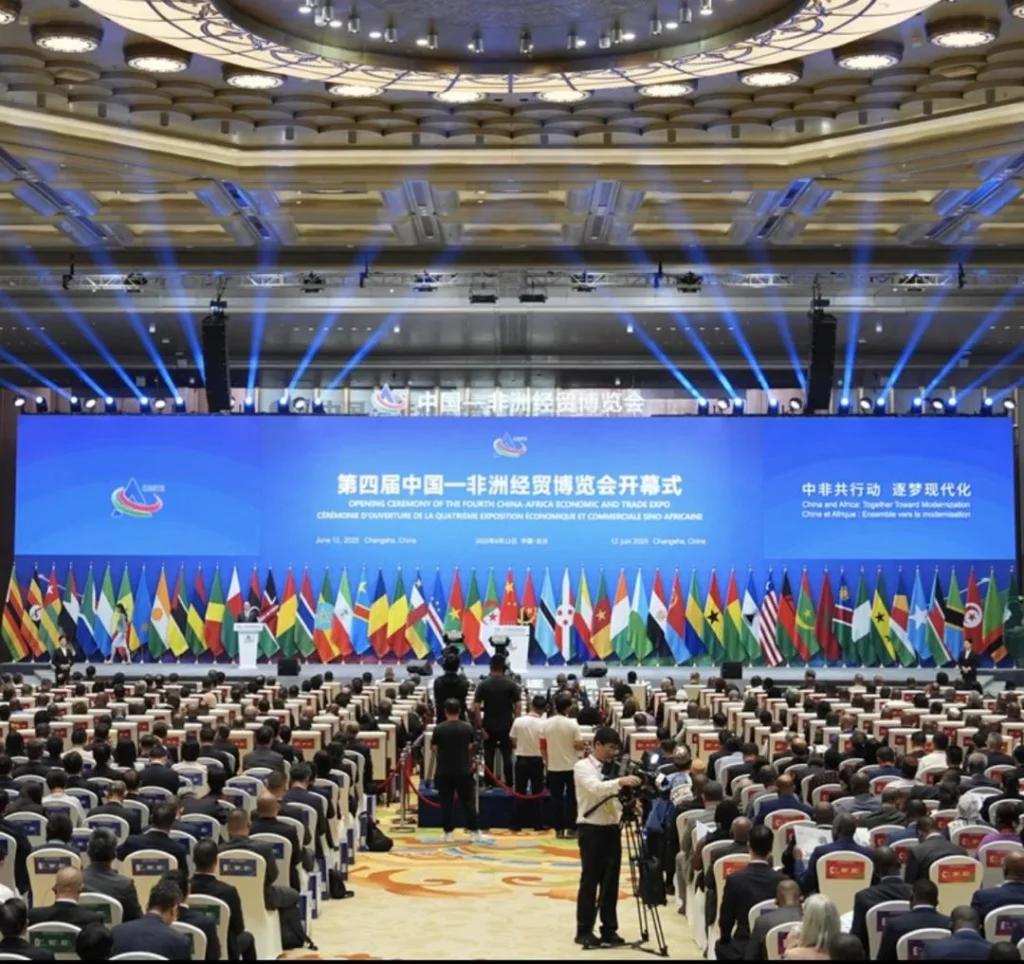
Trade shows and economic expos have also grown into civic landmarks. At events such as the China-Africa Economic and Trade Expo, African nations like the Republic of the Congo, Namibia, South Africa and Nigeria often take center stage, showcasing their products and signing deals that funnel capital into local supply chains and export opportunities. These gatherings bring buyers and sellers together, not just for one-off transactions but for long-term business relationships, connecting regional exports with global demand.
And it isn’t only about moving goods. Chinese tech companies have helped build data centers and expand internet access in urban areas, bringing 5G technology and digital services that support startups and new kinds of jobs. In renewable energy, jointly built solar plants are powering towns that once struggled with unreliable electricity, helping clinics stay open after dark and allowing children to study at night.
What all of these shows is that China–Africa cooperation in 2025 is a living, breathing story of mutual influence? Trade figures may headline the narrative, but the real impact is measured in rising exports from African farms and factories, in jobs created by construction and digital projects, in classrooms filled with students mastering new skills, and in cities and villages more deeply connected to global markets. From the vineyards of South Africa to the farms of eastern Africa, from the sandy roads of rural communities now paved by Chinese-linked investments to business districts buzzing with new trade deals, the partnership has become woven into everyday life.
At its best, this cooperation isn’t just about selling and buying goods: it’s about opening space for innovation, empowering small producers to reach consumers thousands of miles away, and expanding possibilities for millions of people across Africa and the world.