
By Senior Editor,China Africa News
Washington/Kigali-Rwanda has taken a decisive step into the spotlight of global economic benchmarking with its performance in the World Bank’s Business Ready (B-READY) 2025 Report, confirming its position as the most business-friendly economy in Africa. The latest World Bank assessment, which evaluates how effectively countries translate regulatory reform into practical outcomes for firms, places Rwanda ahead of all its continental peers and among the stronger performers globally, a testament to years of sustained policy focus on enabling private sector activity.
In this year’s report, Rwanda stood out not only for the clarity of its regulatory framework but also for the ease with which businesses interact with those rules in daily operations, a combination that many developing economies struggle to achieve.This multidimensional performance underscores the government’s long-running efforts to streamline business registration, reduce bureaucratic friction and expand digital public services all core components of the B-READY methodology.
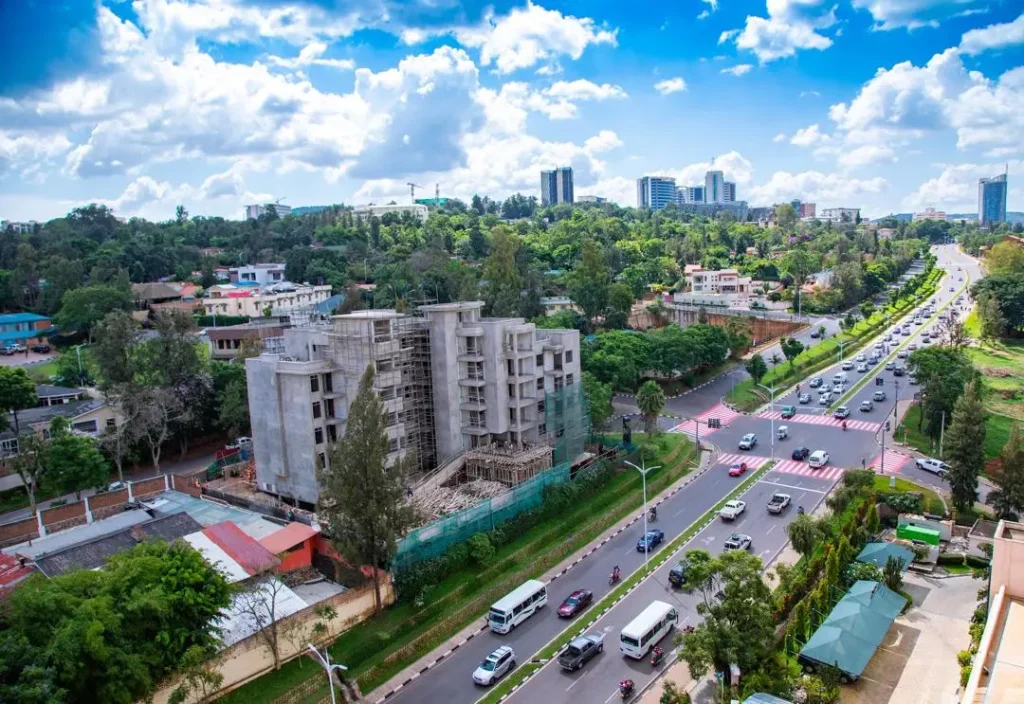
The broader economic picture reinforces the significance of this recognition. After weathering global headwinds, Rwanda’s real GDP grew sharply in 2024, with official statistics showing an 8.9 % expansion as agriculture, industry and services all contributed to the rebound. In the first half of 2025, the economy maintained robust momentum with GDP continuing to expand at rates near 7.8 %, driven by strong performance in services and industry. These figures reflect not only resilience but also the practical impact of structural reforms that have improved the business climate and encouraged private investment.
Analysts say Rwanda’s business environment reforms are more than bureaucratic victories; they are enablers of broader economic transformation. By reducing the time and cost required to start and operate a business, Rwanda has helped lower barriers for entrepreneurs and foreign investors alike. That has supported job creation and diversification, contributing to a more dynamic economy. Observers also point to rapid digital adoption in government services as a key factor in improving operational efficiency for example, electronic platforms for company registration and licensing that speed transactions and cut costs.
Looking ahead, the foundations laid by these reforms provide a strong platform for Rwanda’s aspirations in 2026. The country continues to channel investment into digital infrastructure, human capital development and strategic sectors such as light manufacturing and technology services, which are expected to form the backbone of future growth. While headline growth rates may moderate from the exceptional pace of 2024, projections from international institutions suggest continued expansion in the mid-to-high single digits, underpinned by resilient domestic demand and ongoing public and private investment.

Challenges remain. Ensuring inclusive growth particularly in rural areas and among youth and deepening domestic financial markets are priorities as Rwanda seeks to convert business climate strength into broader economic opportunity. Sustaining macroeconomic stability while expanding social services and infrastructure will also be crucial as external conditions evolve.
Nonetheless, Rwanda’s ascent in the B-READY 2025 Report and its solid economic performance send a clear message: thoughtful reform, when matched with effective implementation, can yield real outcomes on the ground. As Kigali prepares for the year ahead, policymakers and investors alike will be watching how the country leverages these achievements to build a more competitive and inclusive economy in 2026.