
By Senior Editor, China Africa News
Beijing – Rwanda and China have quietly ushered in a new chapter in their trade relationship one avocado at a time.
On November 12, 2025, the two countries signed the Protocol on Inspection, Quarantine, and Sanitary Requirements for the Export of Fresh Avocados from Rwanda to China, a move that could fundamentally reshape Rwanda’s horticultural export narrative.
In a post on its social media account, the Rwandan Embassy in China called the deal transformative: “This agreement will allow high-quality Rwandan avocados to enter the Chinese market, expanding the range of Rwandan agricultural products exported to China, a market of 1.4 billion consumers.”
For exporters in Rwanda, this protocol is more than a bureaucratic step — it’s a bridge to a vast, high-value market. Angel Uwantege, founder of Bahage Foods Ltd, welcomed the agreement in an interview with Xinhua News Agency saying, “The protocol for exporting Rwanda’s avocados to China will significantly enhance our exports.
We are optimistic about the potential for growth and look forward to working with Chinese partners.” She added that it could also open avenues beyond trade: “We anticipate more trade agreements, investments, and cultural exchange.
Our participation in platforms like the China International Import Expo will help showcase Rwandan avocados to the world.”
Uwantege was especially buoyed by Rwanda’s competitive edge in this new arrangement. “We have confidence in the Chinese market,” she said, noting the impact of favorable trade conditions: “The zero-tariff policy has indeed made it easier for us to export Rwandan products to China. It reduces costs and makes our products more competitive.”
Observers in Rwanda see this as more than just an opportunity for one company. Robert Rukundo, chairperson of the Horticulture Exporters Association of Rwanda, told Rwanda’s Daily The New Times that China could “quickly become one of the biggest destinations for Rwandan avocados,” shifting the country’s export reliance away from longtime markets like Dubai and parts of Europe.
Teddy Kaberuka, an economic analyst, called it “a significant step in deepening bilateral trade relations,” arguing that the deal will help Rwanda broaden its export base beyond its traditional mainstays of coffee and tea. “This protocol will be a strategic gateway that positions Rwanda’s avocados in one of the world’s most dynamic consumer markets,” he said.
The timing is propitious. In 2024, trade between Rwanda and China surged to US$ 669 million, marking a 21.4% year-on-year jump, according to Chinese government data.
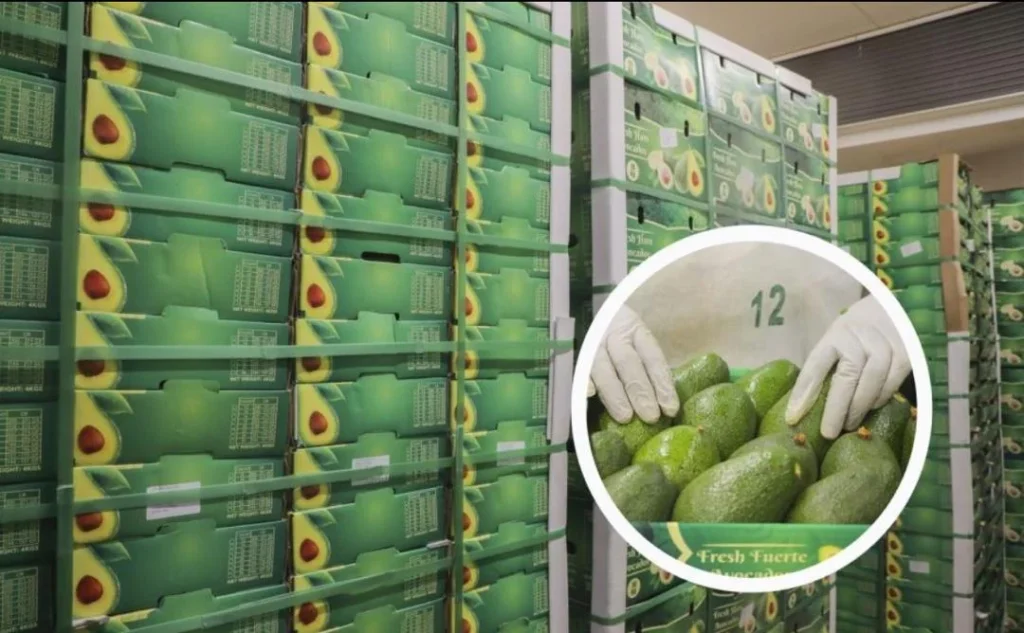
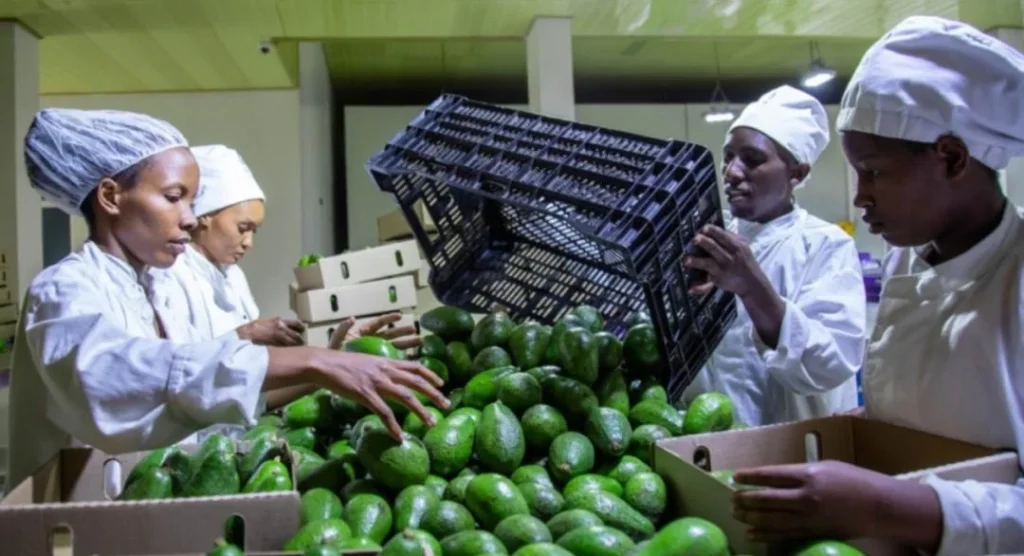
In Kigali, the avocado is emerging as one of Rwanda’s most lucrative value-added exports: as of 2023, avocado earnings reached about US$ 6.3 million, up significantly from just US$ 840,000 in 2020, and the government has set ambitious targets to more than double that revenue in the coming years.
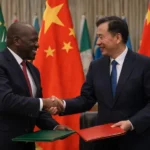
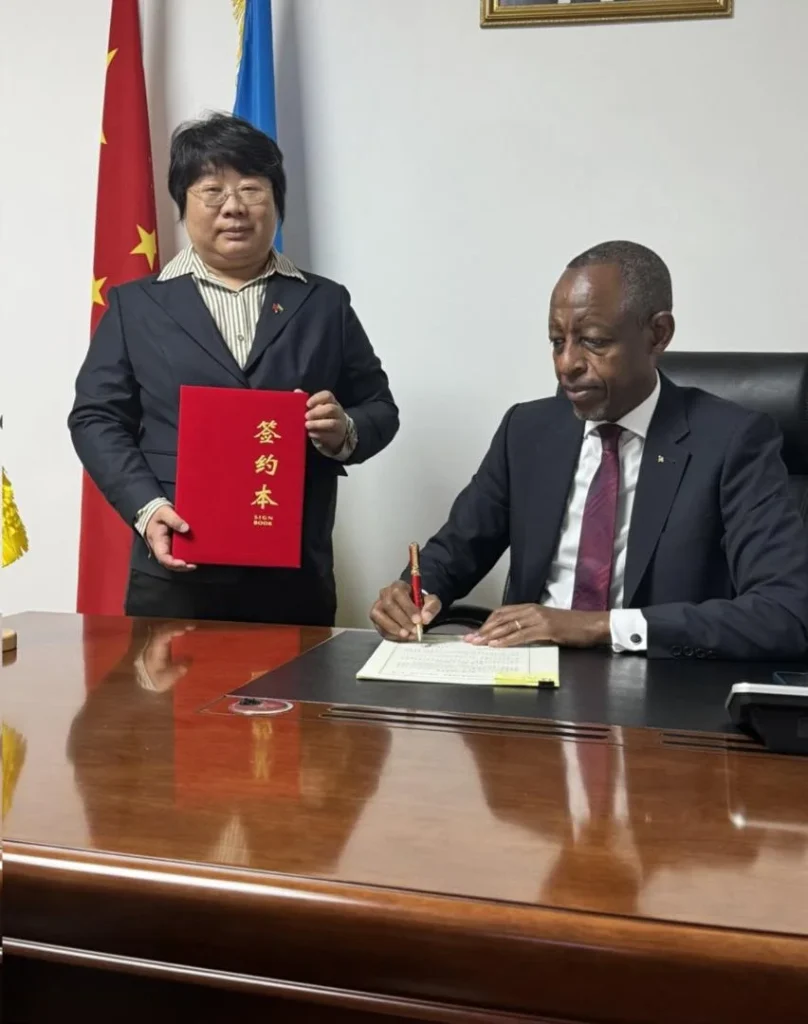
Diplomatically, the protocol is a signal of deepening ties between Rwanda and Beijing. Rwanda’s Ambassador to China, James Kimonyo, personally signed the agreement his presence underscoring how seriously Kigali views this partnership.
For a country that has steadily diversified its exports while nurturing its diplomatic outreach, the new avocado corridor speaks to a broader strategy: how Rwanda can leverage agricultural innovation to scale up its place in global and especially Chinese markets.
Beyond economics, there is symbolism. Where once Rwanda’s exports were largely raw commodities, today’s deal emphasizes quality, value addition, and a vision for long-term cooperation. As Uwantege put it, the trade deal is not just about shipping fruit it’s about building a bridge of shared growth, trust, and opportunity.
If fully realized, this protocol could reshape rural livelihoods in Rwanda, enhance food-value chains, and deepen China-Africa trade in a way that goes beyond volume and into sustainable, mutually beneficial partnership.