
By Cremilda Macuácua, China Africa News
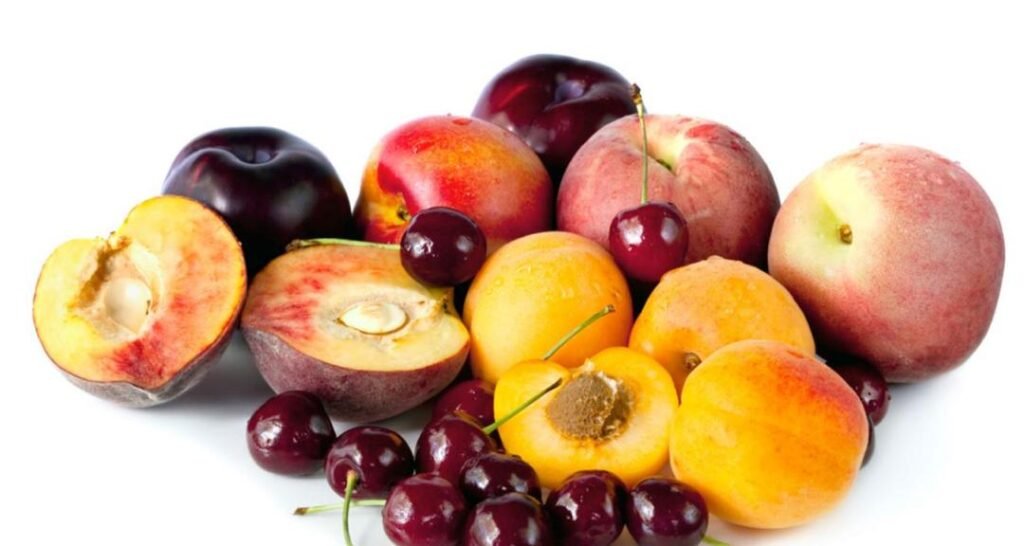
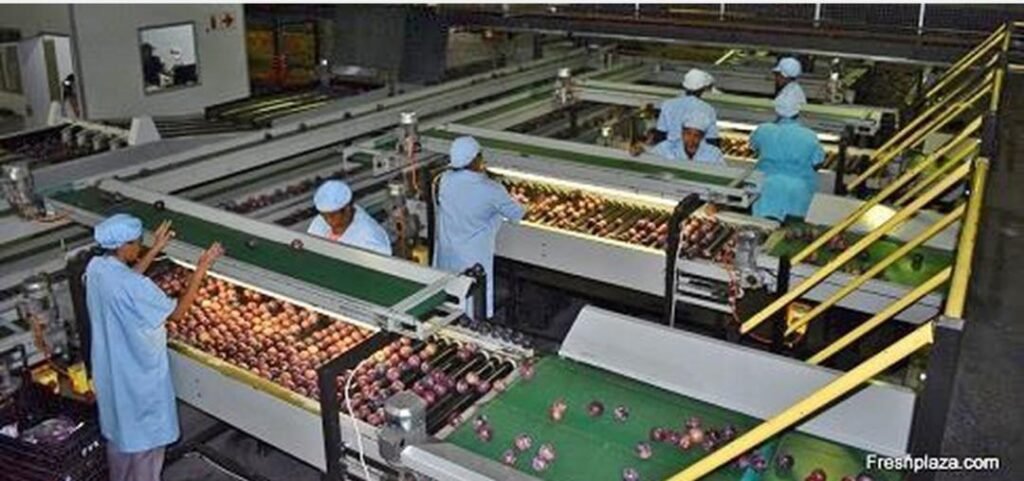
Beijing,February 28, 2026 — South Africa has officially dispatched its first duty-free shipment of stone fruit to China, a major milestone in the nation’s agricultural export strategy. The consignment approximately 20,000 cartons of premium plums, including the sought-after African Delight and Ruby Star varieties left the Freshness First Packhouse in Franschhoek, near Cape Town, under the newly implemented export protocol with China.
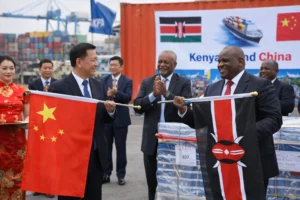
The shipment was prepared and seen off by South Africa’s Agriculture Minister John Steenhuisen and China’s Ambassador to South Africa, Wu Peng, symbolizing the formal commencement of duty-free stone fruit exports to China.
As reported by People’s Daily Online, this first duty-free export marks a significant step in expanding agricultural trade between South Africa and China, opening new opportunities for local growers and exporters to enter one of the world’s largest consumer markets. The milestone follows the signing of a bilateral trade agreement that grants South African stone fruit which includes plums, peaches, nectarines, apricots and prunes under the broader protocol zero tariffs on entry into China.
Industry and government officials say the access to China’s vast market is expected to enhance the competitiveness of South African fruit, help diversify export destinations beyond traditional European and Middle Eastern buyers, and support long-term growth in the sector. South Africa currently holds only a small slice of China’s roughly $200 billion agricultural import market, and duty-free access could significantly boost future export volumes.
This first shipment represents not just a commercial transaction but a strategic pivot toward deeper engagement with Asian markets. Authorities confirmed that protocols for other stone fruit categories, such as cherries, are nearing conclusion, and blueberries may follow later in the year, potentially broadening South Africa’s fresh fruit footprint in China.
For South African farmers and exporters, the departure of these refrigerated containers is a tangible sign of a new chapter in agricultural trade one built on expanded access, competitive advantage, and stronger international ties.