
By Senior Reporter, China Africa News
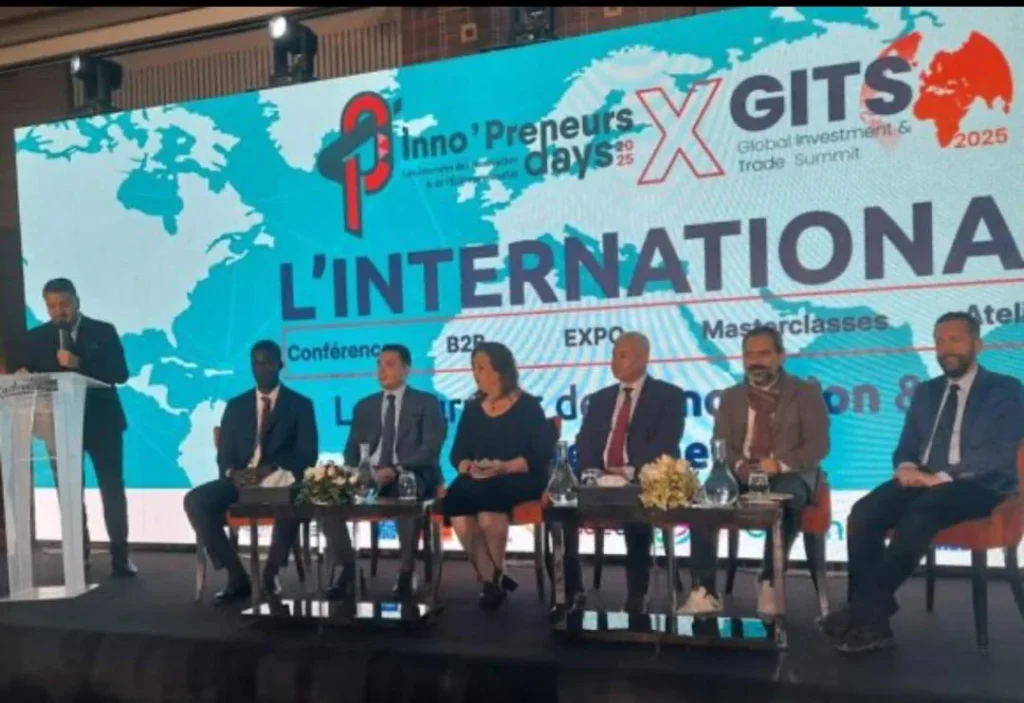
Tunis, The three‑day Women’s Leadership and Economic Inclusion Forum, which runs until 20 November, is expected to deliver a concrete roadmap to deepen women’s participation in decision‑making and strengthen their leadership in industry, energy and regional economic integration across the Mediterranean.
The aim is not only to talk about inclusion, but to build real institutional mechanisms that empower women-led businesses and make governance more gender‑balanced.
The forum opened on 18 November with a ceremony led by Fatma Thabet Chiboub, Tunisia’s Minister of Industry, Mines and Energy.
In her keynote remarks, she emphasized that women’s growing role in economic life is transforming Tunisia: more than 500 industrial enterprises are run by women, women make up 45 percent of the workforce in strategic industrial sectors, and more than 30 percent of decision‑makers in pharmaceuticals, biotechnology and medical-device industries are women.
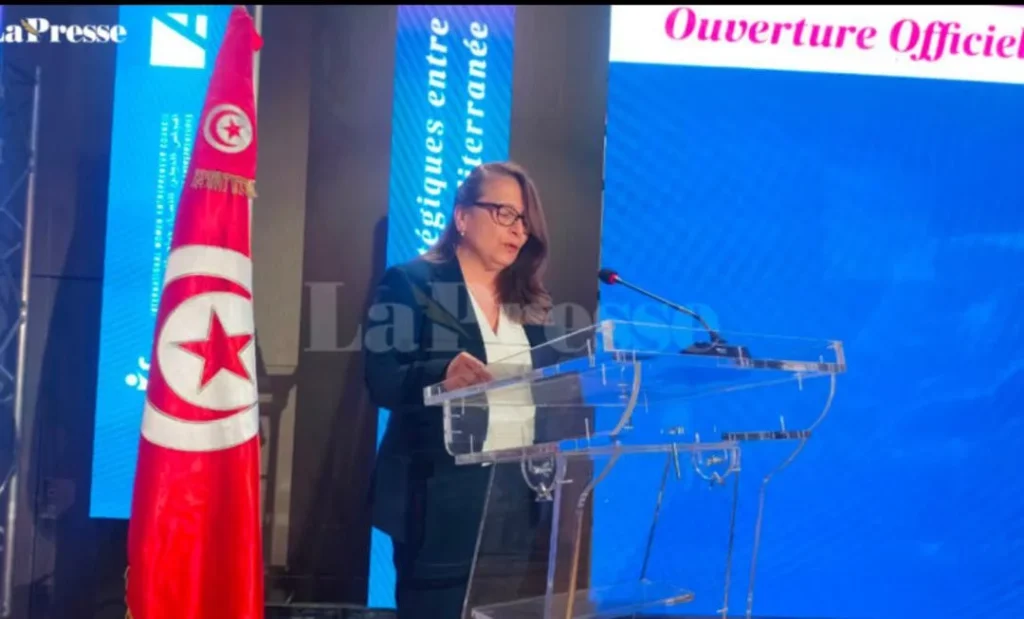
She called for stronger support mechanisms for women entrepreneurs, arguing that scaling their projects and creating jobs is vital not just for social justice but for Tunisia’s industrial, energy, and technological sovereignty.
Over the course of the forum, participants discussed a range of themes:
- The surge of women’s digital entrepreneurship (which has grown by 35 percent in the past five years), and the fact that 40 percent of start‑ups founded since 2020 have a woman co‑founder;
- The role of education, with Chiboub highlighting that 60 percent of university graduates are women and up to 72 percent of graduates in certain technological engineering fields are female;
- And the energy transition, where 30 percent of newly trained engineers in renewables are women and many Tunisian women are leading solar‑energy projects internationally.
High‑tech and “future industries” also featured in discussions robotics, smart materials, biotech as sectors where women are taking on innovation roles. On governance, delegates explored the creation of a regional parity council for the Mediterranean and more robust institutional frameworks to anchor women’s economic inclusion in long-term policy.
In conclusion, the forum represents more than a symbolic gathering: it is a strategic platform for action, bringing together high-level leaders, entrepreneurs, diplomats and policymakers to commit to partnerships, policies and reforms.
For Minister Chiboub, the mobilization of women’s talent is central to national strength: she sees female talent as a resource critical for building a sovereign, resilient and forward‑looking economy.