
By Senior Editor, China Africa News
Kigali, April 9 — The United Nations Secretary-General’s Special Adviser on the Prevention of Genocide, Chaloka Beyani, has strongly warned that the international community continues to fall short in preventing atrocities, while praising Rwanda as a model of post-genocide recovery and resilience.
Speaking at the International Conference on Genocide Prevention in Kigali on Wednesday, Beyani reflected on the repeated failure to act on early warning signs echoing the inaction that preceded the 1994 Genocide against the Tutsi.
“The world committed itself in 2005 to the responsibility to protect populations from genocide, war crimes, crimes against humanity and ethnic cleansing,” he said. “Yet today, from Sudan to the Middle East and within the Great Lakes Region, we are still falling short.”
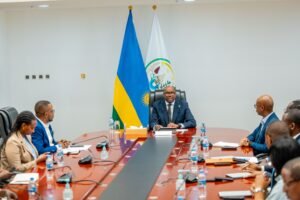
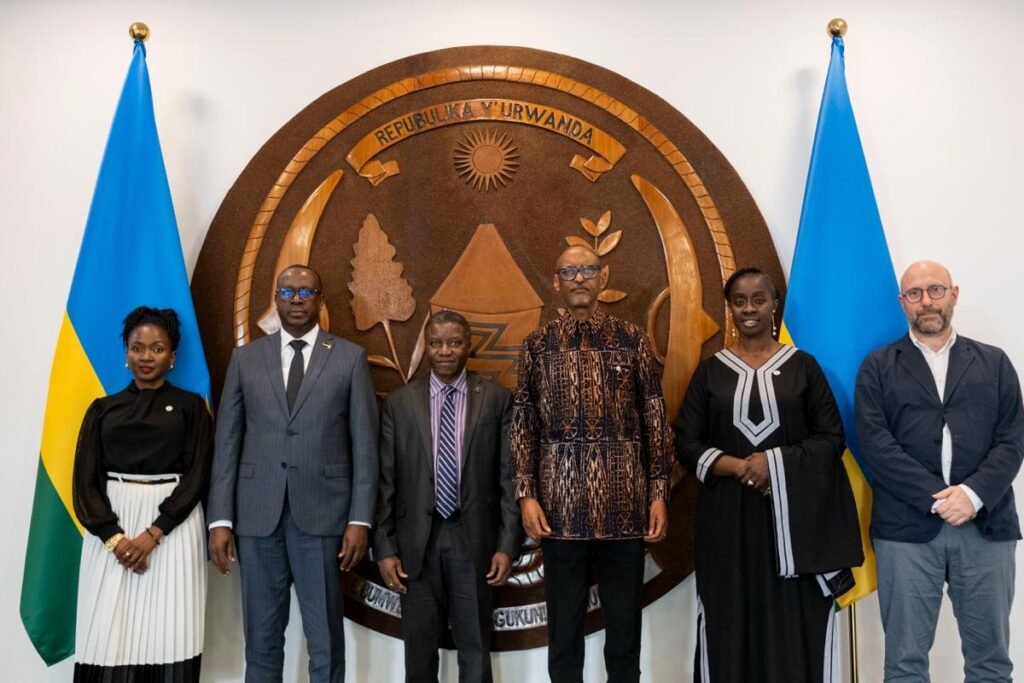
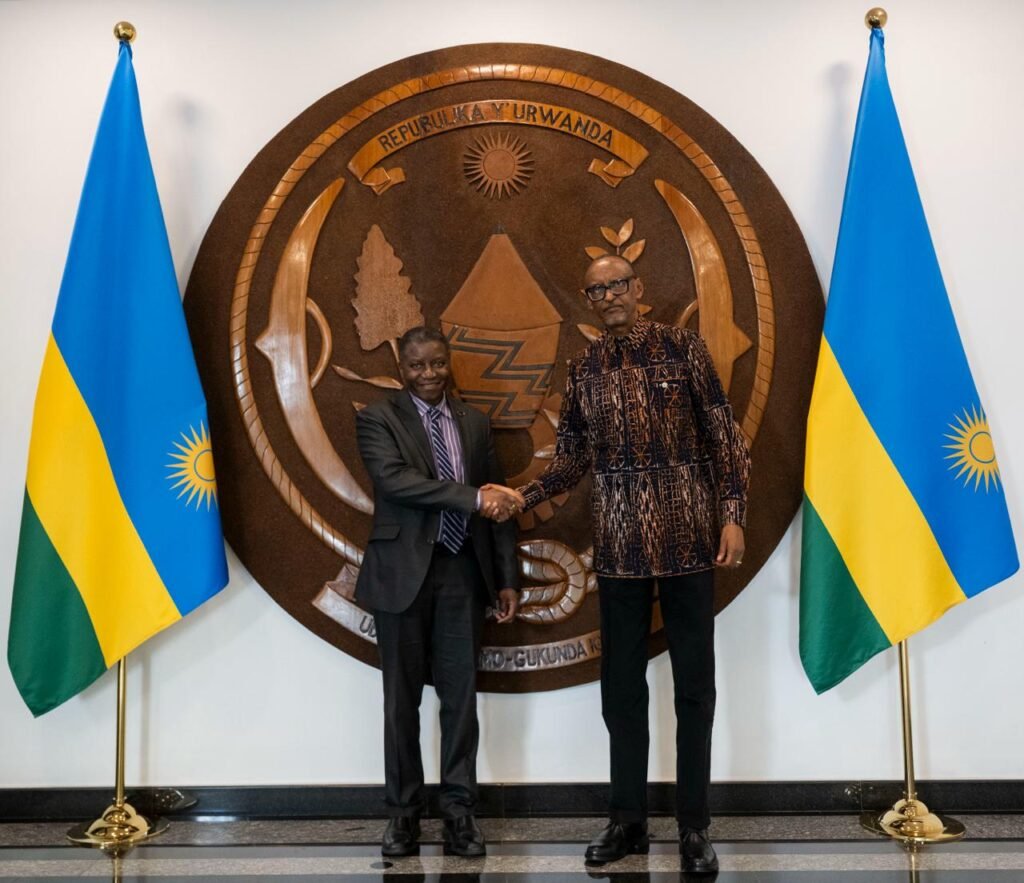
While in Kigali, Beyani also met with Paul Kagame on the sidelines of the national Kwibuka32 remembrance activities. Their discussions focused on the collective responsibility of the international community to identify and respond to early warning signs of genocide, drawing lessons from Rwanda’s tragic history.
Early warning must lead to early action
Beyani emphasized that early warning signs must translate into swift, coordinated action. He called for stronger collaboration between the United Nations, the African Union, and regional groups such as the International Conference on the Great Lakes Region and IGAD.
He warned that rising hate speech, identity-based violence, xenophobia, and racism are eroding global norms trends reminiscent of those that preceded past genocides.
“We must reject hatred, inflammatory rhetoric and incitement to violence,” he said. While hate speech may not always be illegal, Beyani stressed that it can become a dangerous precursor to mass atrocities.
Call for accountability and stronger legal systems
Beyani highlighted impunity as a driver of recurring conflicts and called for stronger legal frameworks to ensure accountability.

“It is high time that we operationalize criminal accountability mechanisms,” he said, pointing to the need to empower regional judicial bodies like the African Court of Justice and the East African Court of Justice with expanded jurisdiction over atrocity crimes.
He also urged countries to ratify and fully implement international legal instruments, including the Genocide Convention, to reinforce prevention and justice.
Rwanda’s example of recovery and reconciliation
Despite his warnings, Beyani praised Rwanda’s recovery efforts, noting its focus on justice, reconciliation, and social cohesion.
“Rwanda has demonstrated that reconciliation is possible,” he said. “Through justice mechanisms, education, memorialization, and targeted efforts to counter intolerance, the country has built a foundation for lasting peace.”
As Rwanda marks 32 years since the genocide, Beyani called on the global community to honor victims not just through remembrance, but through decisive action.
“The best way to honor the victims and survivors of the genocide against the Tutsi is to ensure that no one else suffers such crimes,” he said. “This is not just a call it is an obligation for all of us.”