
By Cremilda Macuácua,China Africa News
Addis Ababa/Beijing-African Union and China are poised to deepen strategic cooperation in ways that leaders on both continents describe as transformative for development and partnership into 2026 and beyond.
In a high-level meeting in Beijing, Ambassador Alhaji Mohamed Sarjoh Bah, the newly appointed Permanent Representative of the African Union to China, was received by H.E. Miao Deyu, Vice Minister of Foreign Affairs of China. Vice Minister Miao reaffirmed Beijing’s continued support for the AU Mission in China, while Ambassador Bah conveyed the AU Chairperson’s commitment to strengthening Sino-African ties. Their discussions covered a broad set of shared priorities, from the planned visit of the Chinese Foreign Minister to AU headquarters to global economic developments, tariff barriers, reflections on the G20 Summit that took place in South Africa last year, FOCAC commitments and cooperation on issues such as Taiwan that remain central to China’s diplomacy.
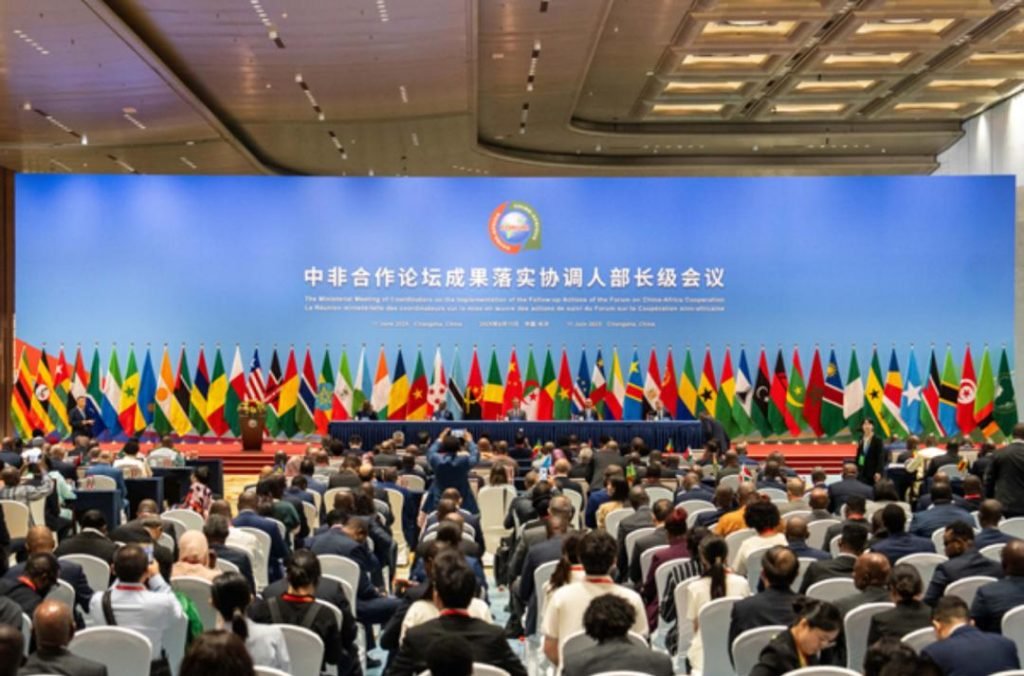
That meeting reflects a broader momentum in the Forum on China-Africa Cooperation framework and the alignment between China’s partnership strategies and Africa’s own continental development agenda. Last December in Beijing, the AU Permanent Mission to China and African ambassadors held a strategic retreat to enhance alignment between the FOCAC Action Plan for 2025–2027 and the African Union’s Agenda 2063, illustrating mutual determination to translate diplomatic engagement into effective implementation and results on the ground. China’s diplomatic outreach and AU engagement reflect how both sides see this partnership as anchored not just in political solidarity but in tangible cooperation across economic, social and cultural dimensions.
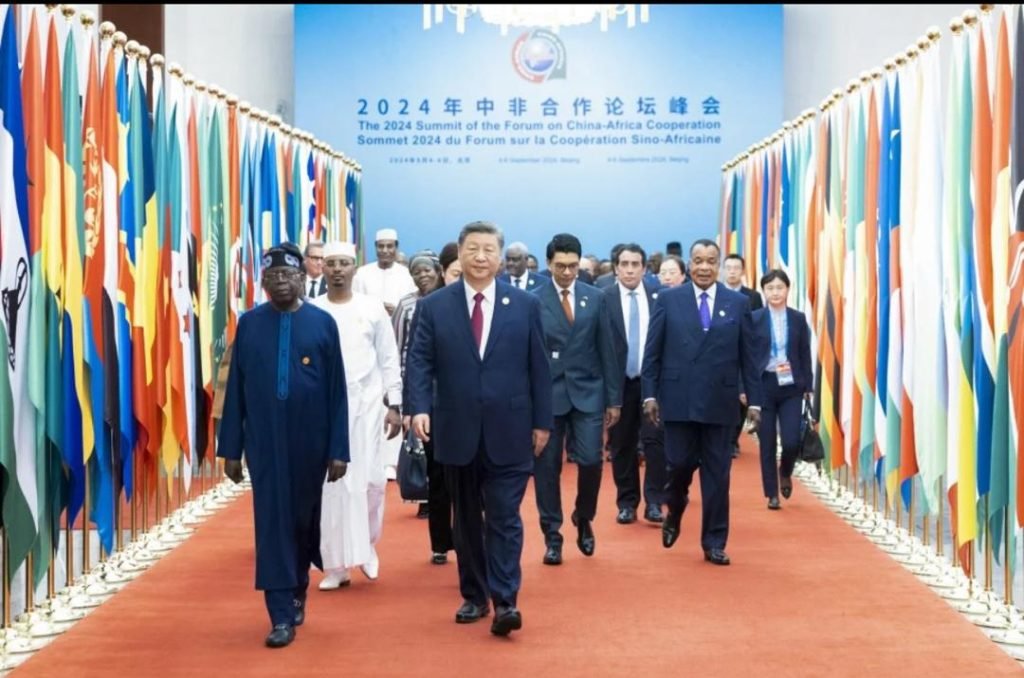
Under the FOCAC Action Plan and the Ten Partnership Actions announced at the 2024 summit, China and African partners have outlined a range of initiatives that are expected to produce measurable benefits through 2026. These actions include major connectivity and infrastructure projects, expanded trade and logistics cooperation, and support for the African Continental Free Trade Area, all aimed at boosting economic integration and sustainable growth across the continent. China’s pledges also encompass people-centered development initiatives, such as establishing joint hospitals and medical centers with Africa, deploying thousands of medical personnel, implementing rural development programs and building agriculture demonstration areas to strengthen food security and livelihoods across the continent.
A particularly symbolic aspect of the partnership is the designation of 2026 as the China-Africa Year of People-to-People Exchanges, with a suite of cultural, educational and professional training programs designed to bring students, women, youth and professionals together, strengthening social bonds that leaders view as the foundation of lasting cooperation. China has committed tens of thousands of training opportunities in fields ranging from vocational education and engineering technology to media and cultural exchanges, while jointly building innovation platforms and workshops that support skills development across sectors.
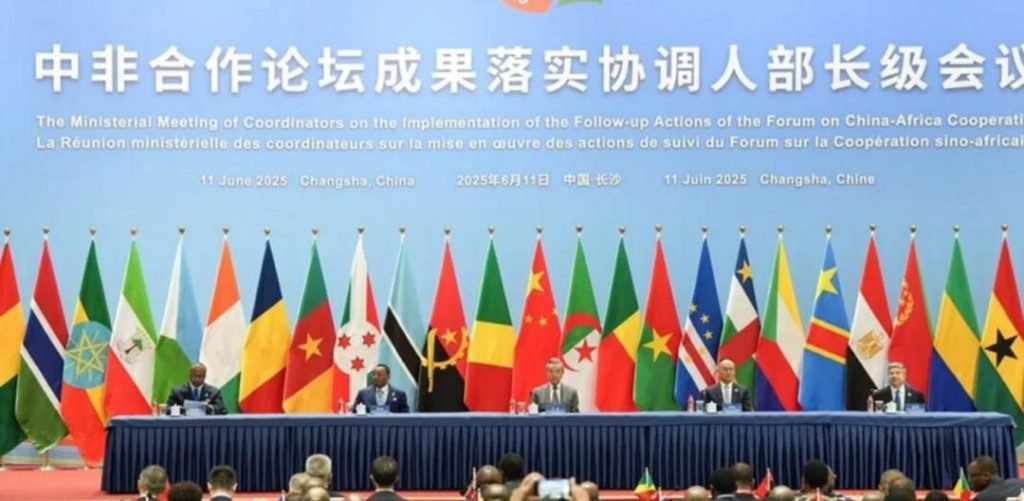
Beyond social and cultural projects, China and the AU have underscored their shared commitment to common priorities such as peace, security and sustainable development. In mid-2025, China’s diplomatic mission engaged with AU officials on peace and security cooperation, emphasizing support for the AU’s “Silencing the Guns” initiative and highlighting how peace and development are interconnected across the continent.
Official engagements have also affirmed China’s interest in supporting Africa’s broader governance and integration aspirations. In talks with African partners, Chinese representatives have emphasized alignment with African unity, self-reliance and shared development goals, including support for initiatives such as the Global Governance Initiative and the expansion of zero-tariff treatment for African exports to China, measures that aim to foster greater trade and equitable access to markets.
Both sides are working to ensure that the partnership not only remains resilient in the face of global economic headwinds but also delivers concrete benefits from new jobs, improved health and education outcomes, and enhanced infrastructure to stronger cultural bonds and capacity building laying a robust foundation for shared growth and prosperity as the calendar moves into 2026.