
By Cremilda Macuácua, China Africa News
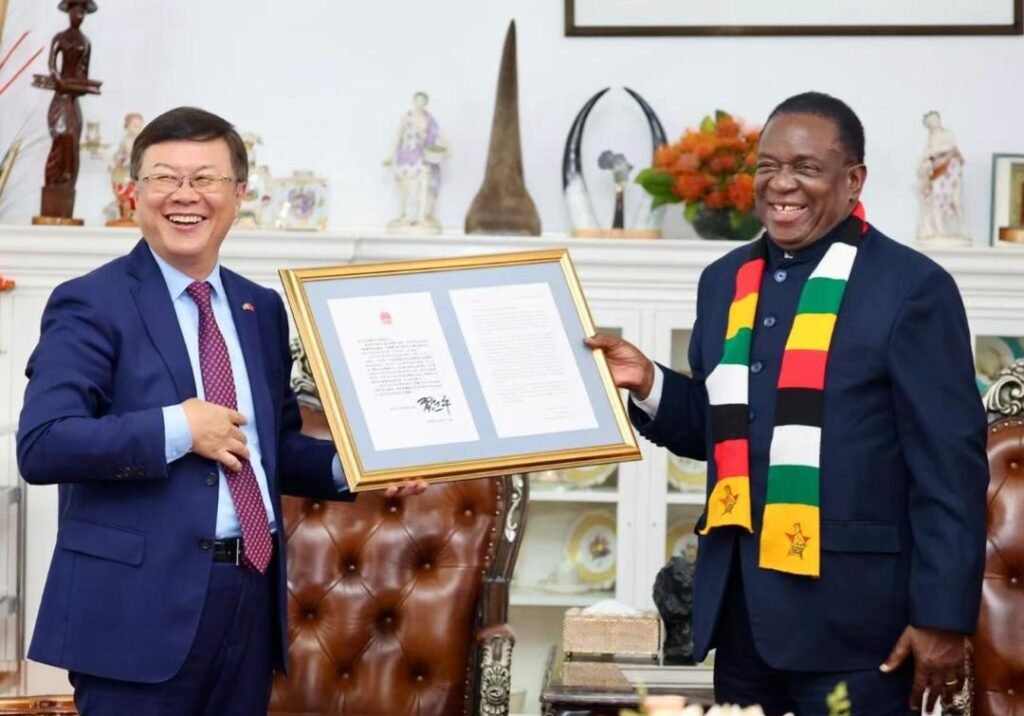
March 1, 2026, HARARE — In a symbolic reaffirmation of enduring diplomatic and historical ties between China and Zimbabwe, Chinese Ambassador to Zimbabwe Zhou Ding presented President Xi Jinping’s reply letter to President Emmerson D. Mnangagwa at State House in Harare, according to CGTN. The correspondence addressed to veterans of Zimbabwe’s national liberation struggle highlights the decades-long bond that many officials describe as rooted in shared sacrifice and mutual support.
The letter, written by President Xi in response to a message from Zimbabwean liberation war veterans who received training and support from China in earlier decades, honours their dedication to Zimbabwe’s independence and the historic friendship forged with Beijing. In it, Xi emphasises the unbreakable historical bond between China and Zimbabwe and encourages younger generations to cherish and carry forward this legacy to further deepen cooperation between the two nations.
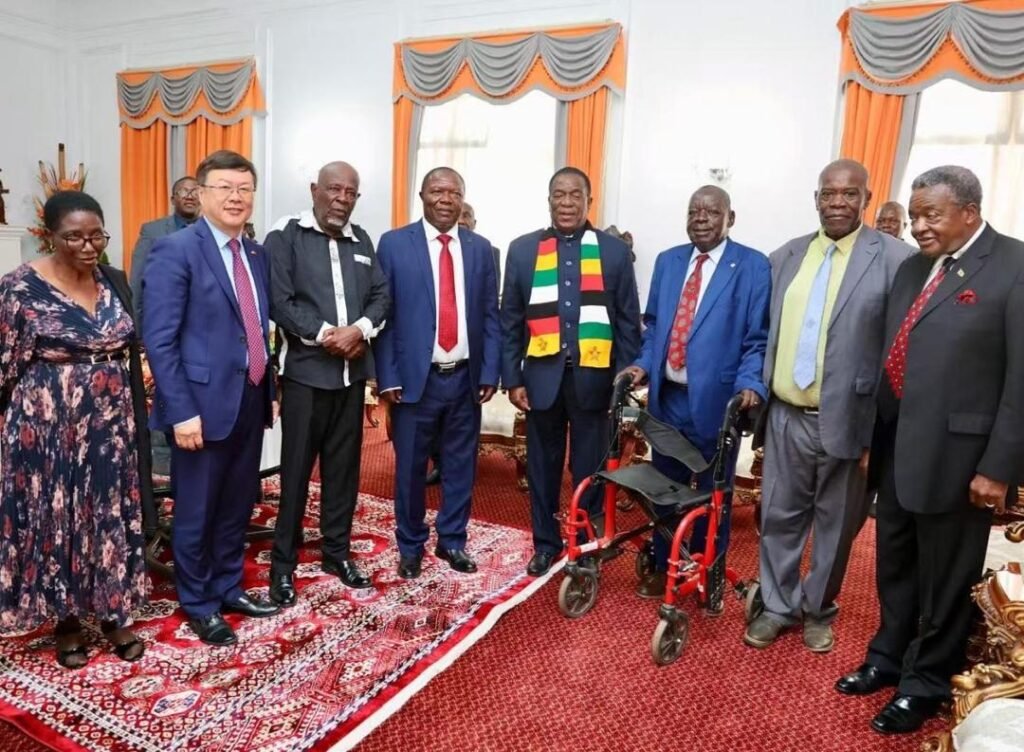
During the presentation, Ambassador Zhou highlighted the message of solidarity and mutual respect conveyed in Xi’s letter and reiterated China’s commitment to nurturing and expanding the China-Zimbabwe partnership across multiple fields, including trade, infrastructure and cultural exchange.
President Mnangagwa received the letter warmly, reflecting on how personal and national history intertwine in the long partnership with Beijing. Officials say the exchange resonates widely in Zimbabwe, particularly among liberation war veterans whose experiences abroad including in China have become an integral part of the nation’s historical narrative.
Analysts say the exchange serves broader diplomatic aims: reaffirming traditional ties in a shifting global context, reinforcing shared historical foundations that resonate domestically, and signalling continuity and unity in bilateral relations that span education, development and cultural links.
Observers note that the rhetoric of enduring friendship, drawn from liberation history, remains central to how both capitals frame the relationship not only as a legacy of the past but as a foundation for future collaboration and alignment across economic and cultural spheres.