
By Staff writer, China Africa News
Kigali, June 10, 2026 —As dawn breaks over the mist-covered Virunga Mountains in northern Rwanda, the communities surrounding Volcanoes National Park are awakening to more than just a new day. For many young people living at the edge of one of Africa’s most celebrated conservation landscapes, a profound transformation is underway one that is redefining livelihoods, reshaping attitudes toward wildlife, and creating new opportunities for future generations.
According to the African Wildlife Foundation (AWF), conservation in the region is increasingly becoming a catalyst for social and economic change, particularly among young people who once saw the park’s wildlife as a means of survival rather than a resource worth protecting.
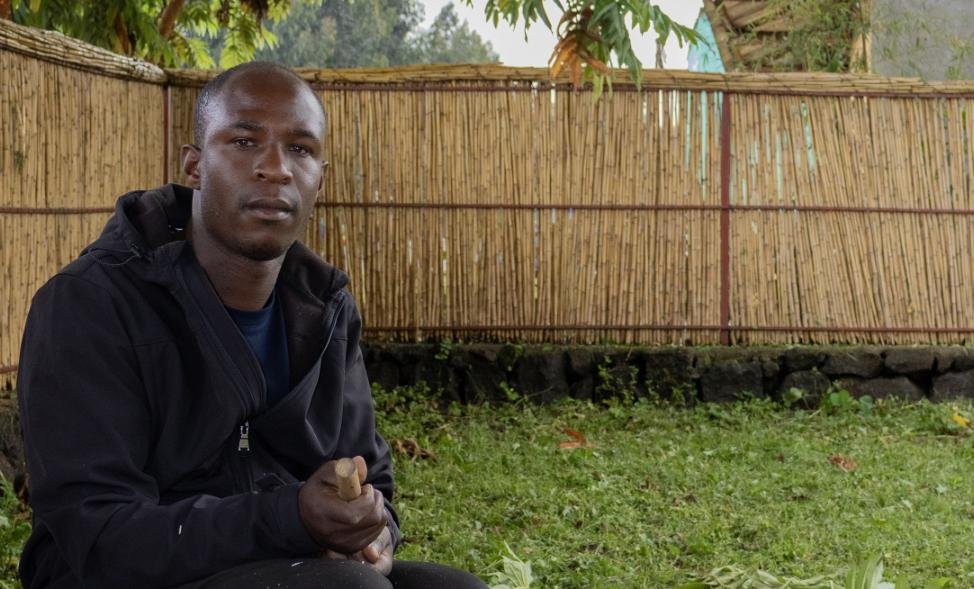
Among them is Murwanashyaka Martin, a resident of Kinigi whose life reflects the broader shift taking place around the park. Years ago, Martin was involved in poaching, driven largely by economic necessity and limited alternatives. Like many people living near protected areas, he viewed wildlife through the lens of survival, hunting animals that strayed beyond park boundaries and selling the meat to support his family.
Today, his story tells a different tale
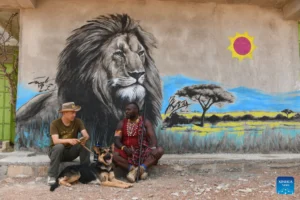
Instead of tracking wildlife, Martin now spends his days crafting souvenirs for visitors who travel from around the world to experience Rwanda’s rich biodiversity. His transition from poacher to artisan highlights the growing impact of community-based conservation initiatives that provide sustainable sources of income while encouraging environmental stewardship.
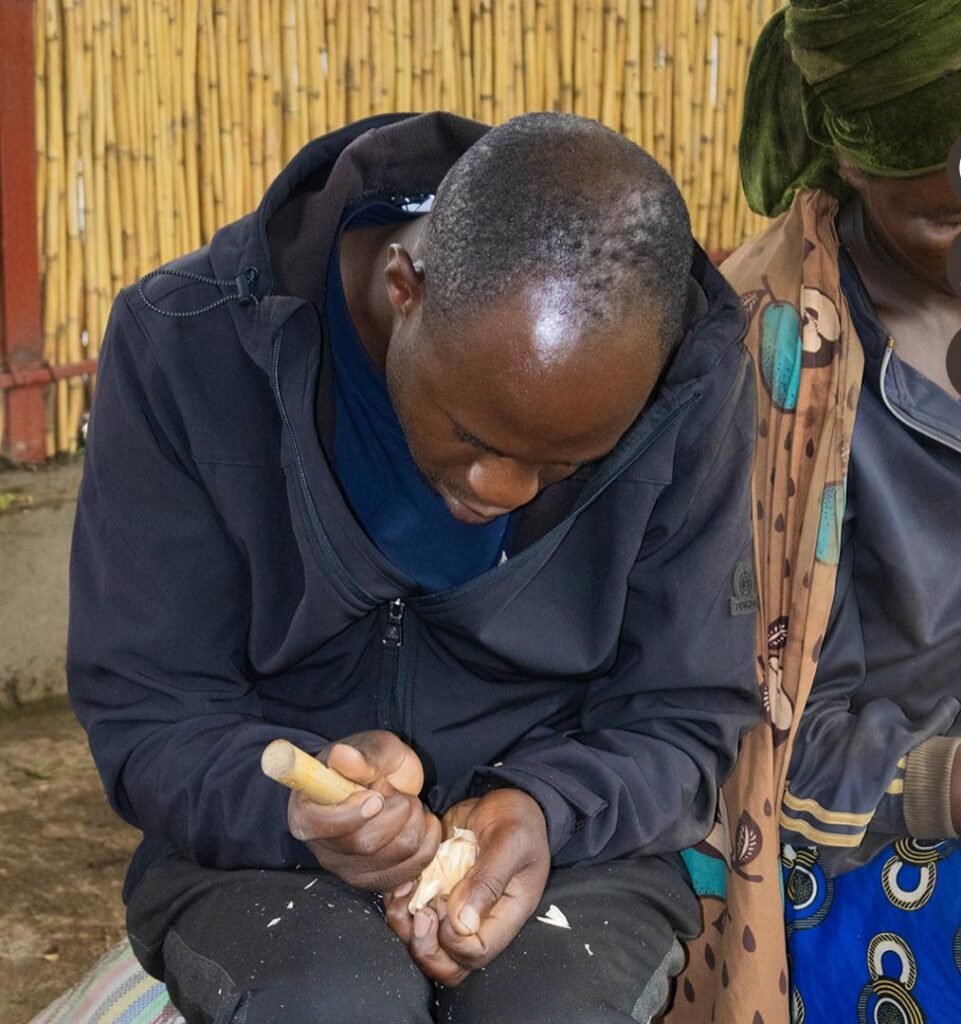
AWF reports that this transformation has been supported through a partnership involving the organization, the Red Rocks Initiative for Sustainable Development, and the Rwanda Development Board. Together, they have developed the Community-Based Tourism Center in Kinigi, an initiative designed to connect conservation with economic empowerment.
The center provides local residents with opportunities to develop skills in craft-making, cultural tourism, and entrepreneurship, enabling them to benefit directly from the tourism economy generated by Volcanoes National Park. Rather than relying on activities that threaten wildlife, participants are creating products and experiences that celebrate and protect the natural environment.
The impact extends beyond income generation. AWF notes that initiatives such as the Community-Based Tourism Center are helping to foster a deeper sense of ownership and responsibility toward conservation. Community members who once viewed wildlife as a challenge are increasingly becoming advocates for its protection.
For Martin, the change has been both personal and practical. Through his work, he has gained a stable livelihood and a renewed sense of purpose. More importantly, he has become an example to others who may still consider poaching as an option. His message is simple: sustainable livelihoods offer greater security and long-term benefits than exploiting wildlife.
The experience of Kinigi illustrates a broader lesson about conservation across Africa. Success is not achieved solely through protecting animals and habitats; it also depends on creating opportunities for the people who live alongside them. When communities are equipped with skills, economic alternatives, and a meaningful role in conservation, environmental protection becomes a shared interest rather than an external obligation.
According to AWF, the model being implemented around Volcanoes National Park demonstrates how conservation, tourism, and community development can work together to create lasting change. By aligning environmental goals with local economic needs, the initiative is helping to build resilient communities while safeguarding one of Africa’s most important ecosystems.
As Africa continues to celebrate its natural heritage and its youthful population, stories like Martin’s offer a powerful reminder that the continent’s future lies not only in its wildlife and landscapes, but also in the people who are choosing to protect them. Around Volcanoes National Park, conservation is no longer simply about preserving nature it is about restoring dignity, creating opportunity, and building a future where both people and wildlife can thrive together.
Source: Adapted from information published by the African Wildlife Foundation (AWF) on youth-led conservation and livelihood transformation around Volcanoes National Park in Rwanda.