
By staff writer, China Africa News
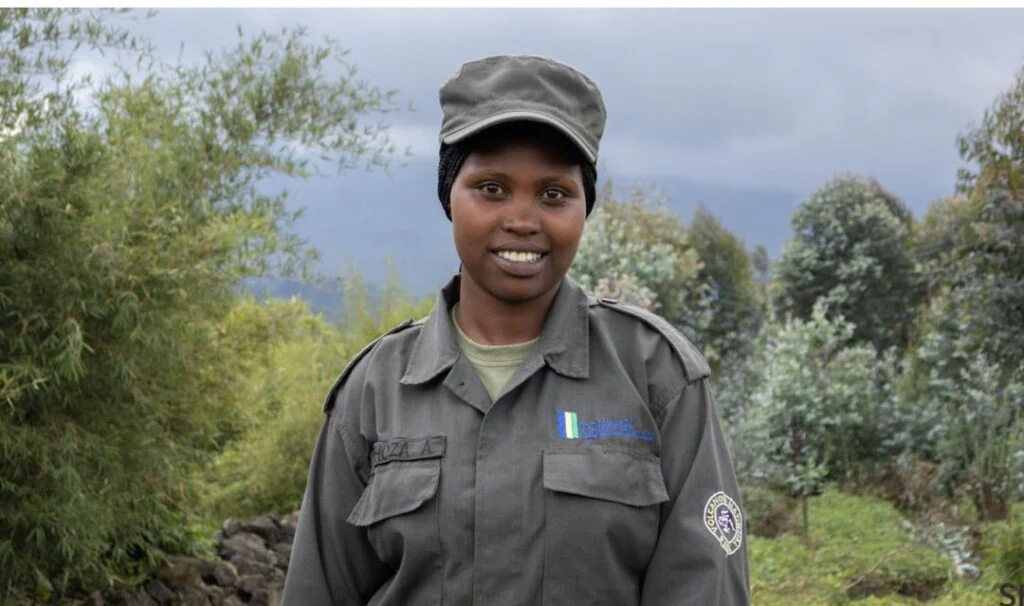
MUSANZE, Rwanda, June 15,2026 — Before dawn breaks over the volcanic landscape of northern Rwanda, Umuhoza Aline is already preparing for another day on the boundary between protected wilderness and neighboring communities. Her work is demanding, often unpredictable, and essential to the safety of both people and wildlife.
As a community eco-guard working around Volcanoes National Park, Aline plays a vital role in Rwanda’s conservation efforts. While public attention often focuses on the country’s iconic wildlife, much of the responsibility for protecting these species falls to frontline workers whose dedication rarely attracts headlines.
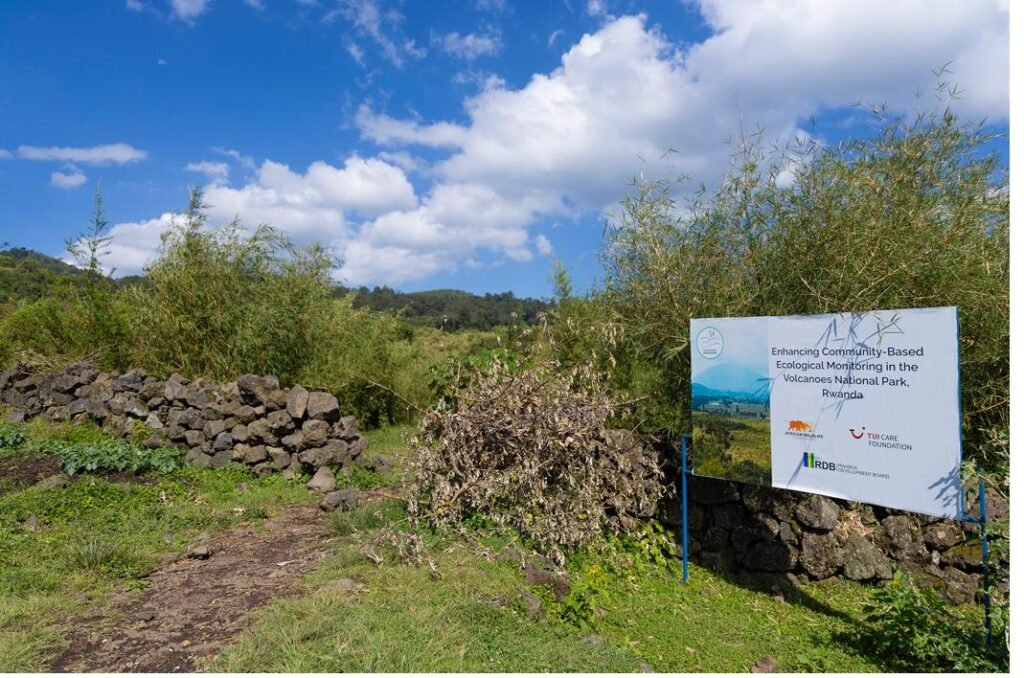
The rugged terrain surrounding Volcanoes National Park is home to some of Africa’s most celebrated wildlife. It is also a place where the interests of people and nature frequently intersect. For Aline, that means monitoring animal movements, responding to incidents along park boundaries and helping prevent situations that could place either wildlife or residents at risk.
One of the greatest challenges arises when animals leave protected areas and enter nearby communities. Such moments require swift action and careful coordination. Rangers and eco-guards must assess the situation quickly, guide animals away from populated areas and minimize the risk of conflict.
The work extends beyond immediate response. Conservation teams operating in the region are also involved in broader efforts to safeguard wildlife habitats and discourage illegal activities that threaten protected ecosystems. Those responsibilities place frontline personnel in situations that demand courage, discipline and sound judgment.
For Aline, however, the most rewarding moments are often the simplest. Success is measured not by recognition but by visible progress: healthier ecosystems, safer communities and wildlife that can thrive within protected landscapes.
Her role is supported through conservation initiatives implemented by the African Wildlife Foundation in partnership with the Rwanda Development Board and supported by international partners. The programs aim to strengthen protection efforts while fostering long-term coexistence between local communities and wildlife.
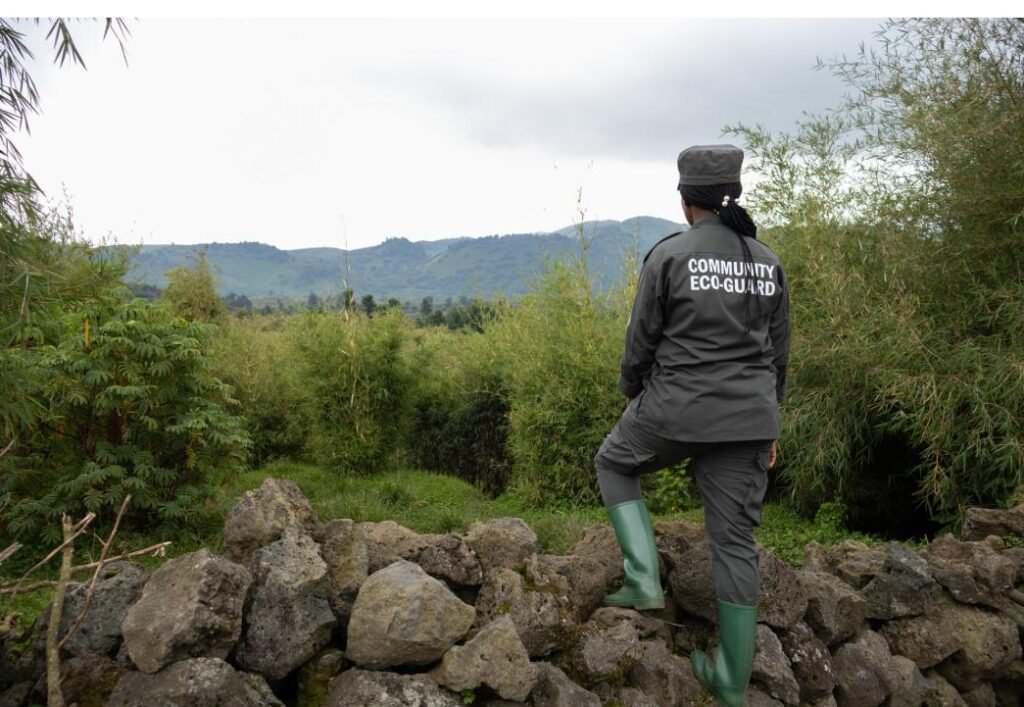
Aline’s story reflects a broader shift within conservation across Africa, where women are increasingly taking on responsibilities once dominated by men. Their contributions range from field patrols and community engagement to operational planning and leadership positions.
As the world marks World Female Ranger Day, conservation organizations are drawing attention to women whose work often takes place far from public view. Their responsibilities may differ, but they share a common purpose: protecting natural heritage for future generations.
In Rwanda, that mission continues each morning along the edge of Volcanoes National Park, where Aline and her colleagues begin another day of watchfulness. Their work rarely makes headlines. Yet the future of some of the country’s most important wildlife landscapes depends, in part, on their steady presence, commitment and resilience.
All photos, courtesy of African WildLife Foundation.