
Freetown/Zanzibar-In Sierra Leone and Zanzibar, Chinese medical teams are doing more than offering care they are building bridges of trust, capability, and shared humanity. As China deepens its engagement with Africa, these vivid medical missions illustrate how cooperation in health delivers immediate relief and long‑term dividends in skills, goodwill, and institutional capacity.
In Sierra Leone’s Port Loko District, tragedy struck when electrician Sallieu Sorious Yusifu Conteh lost multiple fingers in a mining accident. The damage was severe: one finger hung by a fragile sliver of skin, life‑threatening injuries compromised function, and time was slipping away. The 26th batch of the Chinese medical team stepped in. They sterilized the wound, assessed every injury, formed a surgical plan and after more than two hours of intense microsurgery, surgeons successfully replanted the ring finger. Signs of blood flow emerged. Doctors believe full functionality may return. “We knew time was of the essence,” said Zeng Lei, the deputy chief orthopedics physician.
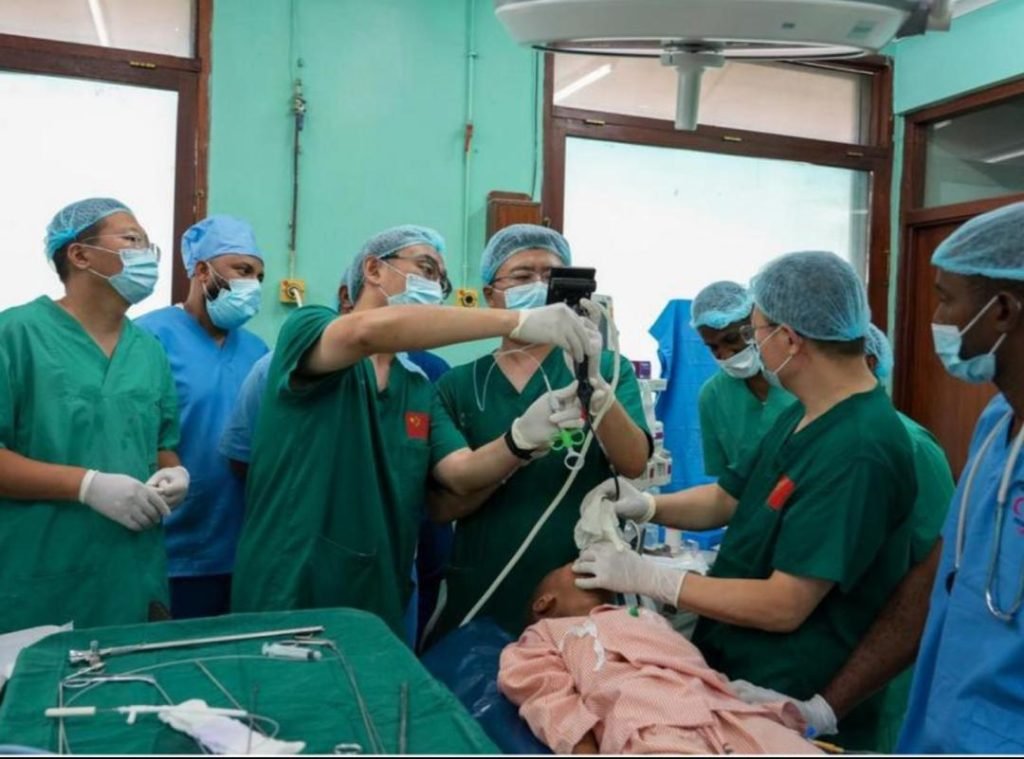
Conteh’s gratitude was bodily and emotional: this was not just a restored limb, but a reclaimed chance at livelihood. Local medical staff applauded the precision and professionalism of the Chinese surgeons and saw the surgery as more than a one‑off: a demonstration of what Chinese‑Africa medical collaboration can achieve at high stakes.
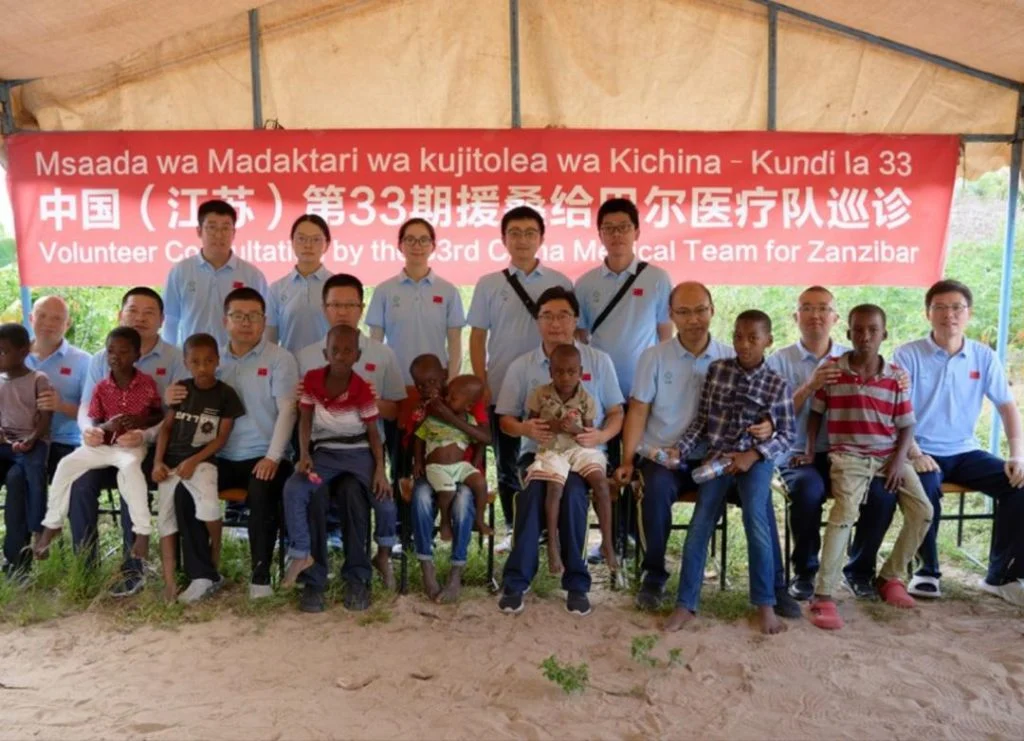
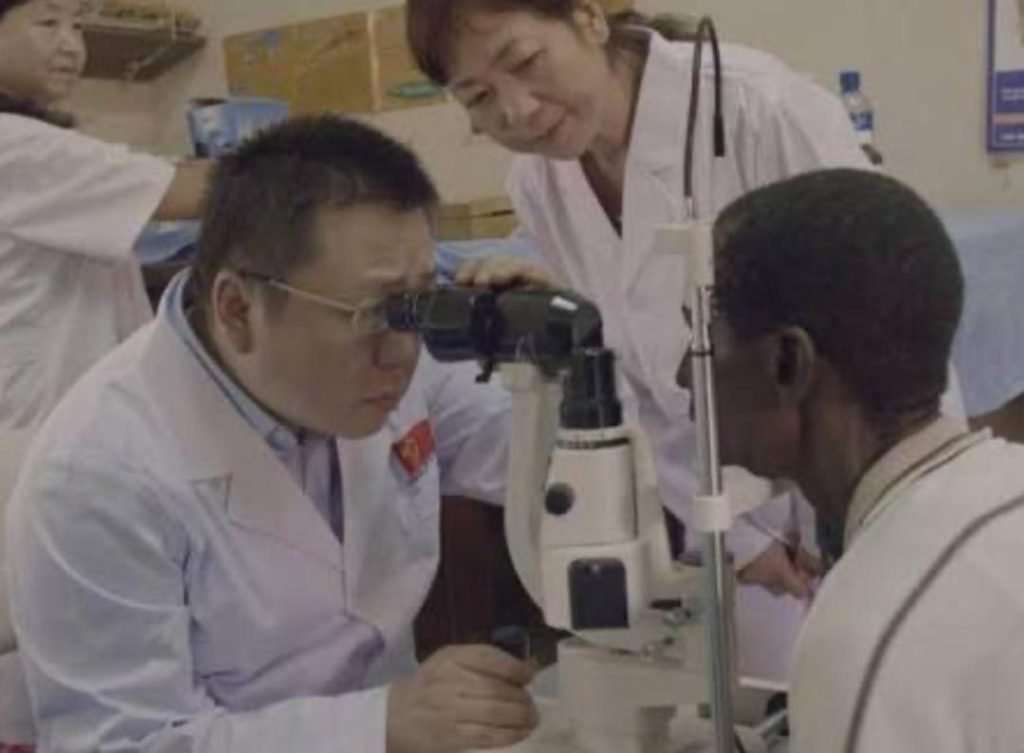
Thousands of miles away, in Zanzibar, another Chinese medical team showed how breadth of service can have sweeping impact. Over four days at Kitogani Hospital in South Unguja, more than 5,000 residents received free medical care. Chinese specialists worked side by side with local doctors in internal medicine, surgery, ophthalmology, urology, gynecology, traditional Chinese medicine, dentistry, and ENT. Families, many of whom had limited access to clinics, benefited from screenings, treatments, and donated medicines. Local health authorities expressed deep thankfulness for China’s consistency, its medical expertise, and its willingness to bring services directly to people.
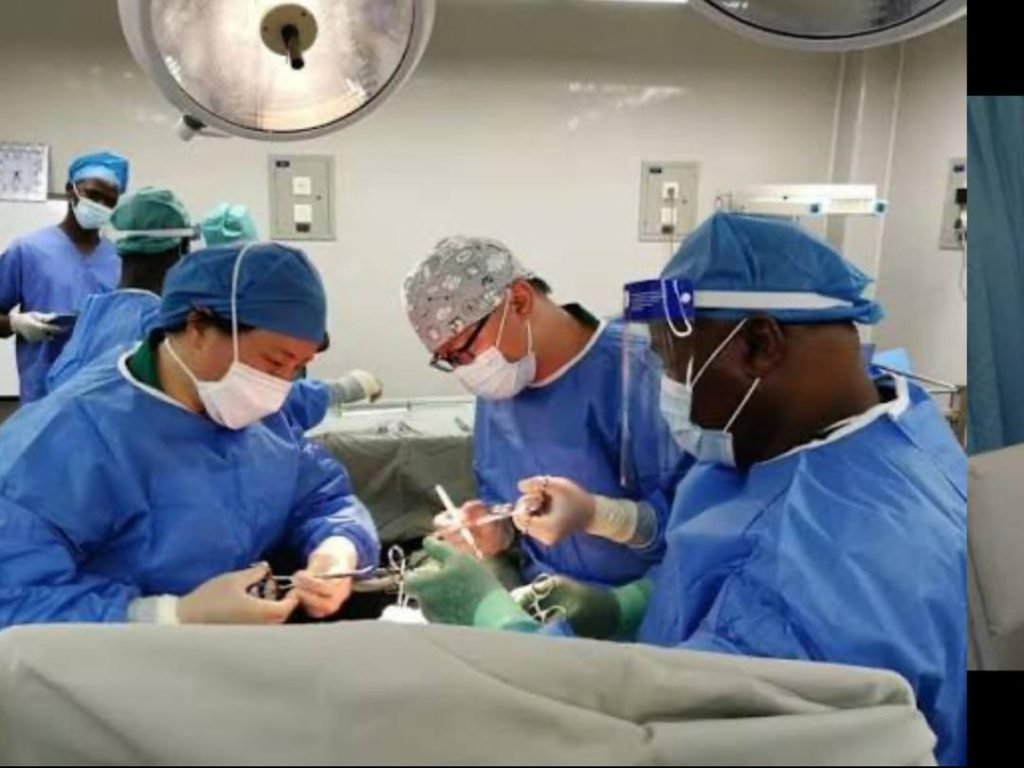
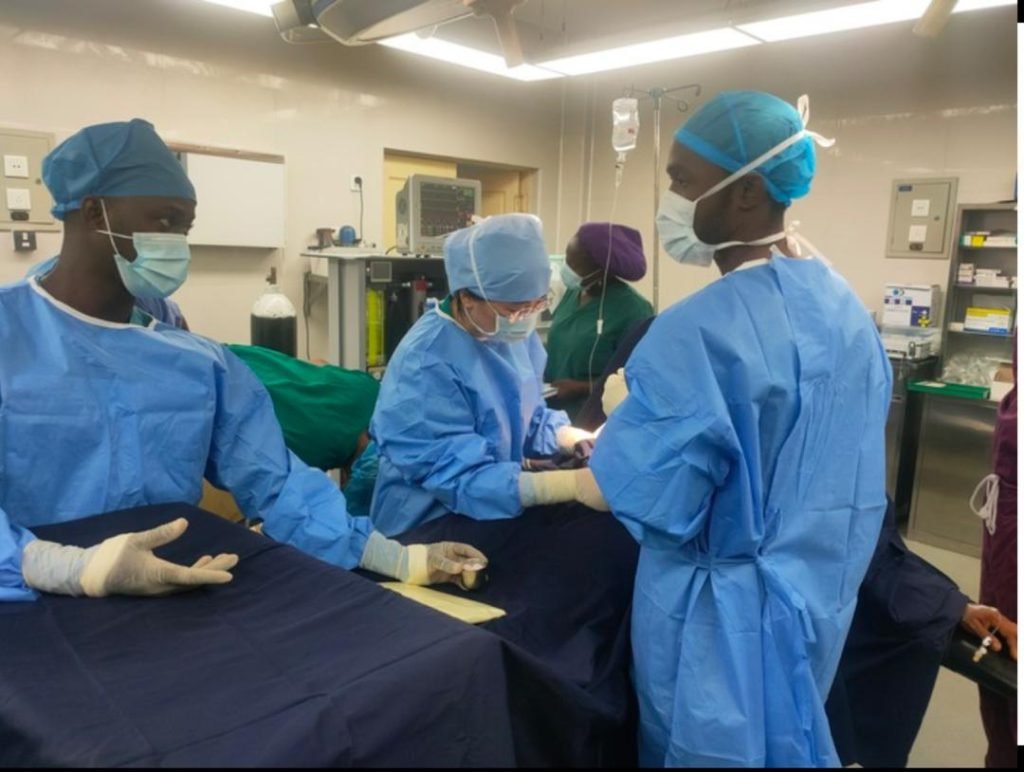
These two stories share more than geography. They reflect a pattern: Chinese medical missions do more than treat individual patients. They bring skills, elevate local healthcare standards, enable capacity building, and solidify ties between nations.
In Sierra Leone, the finger re-plantation surgery is technically demanding. It required microsurgical skill, rigor in pre‑operative planning, post‑operative care, and monitoring. The success signals not only surgical excellence, but also what sustained cooperation can yield: local doctors witnessing advanced procedures, learning protocols, improving techniques. Zanzibar’s free clinic weeks, meanwhile, show how medical teams can deliver scale — reaching thousands, across specialties, in both urban hospitals and rural outreach events — thus easing burdens on local systems and strengthening preventive care.
China’s medical teams often bring with them more than doctors and medicines. They bring traditions: for example, Traditional Chinese Medicine participation in Zanzibar clinics shows cultural exchange alongside medical care. In Sierra Leone, establishing on‑site first‑aid training centers helps embed knowledge within communities. These efforts align with China’s global development philosophy: partnership, capacity, solidarity.
But these missions face real challenges. Infrastructure gaps remain: hospitals may lack reliable electricity, water, or equipment; local health systems often struggle to absorb advanced techniques; language, logistics, and long‑term sustainability complicate outcomes. Chinese teams must ensure that knowledge transfer and local empowerment go hand in hand with direct care.
For African audiences, these medical successes represent opportunity: improved access, better outcomes, and enhanced trust that cooperation is not just transactional, but transformative. For Chinese audiences, they are affirmations of a global role that cares, that invests in human life, not just infrastructure.
The finger re-plantation in Sierra Leone and the clinic weeks in Zanzibar are more than headline stories they are case studies in mindful cooperation. They show that when medical expertise travels, when compassion meets technical skill, when service crosses cultural boundaries, both nations benefit. In this era, health diplomacy stands not at the margins, but at the heart of cooperation.
China and Africa, together, are proving that healing hands and shared purpose write some of the strongest stories of our time.