
By staff writer
Brazzaville, Republic of Congo| 28 November 2026
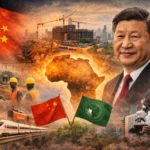
China and African governments are preparing for another major phase in their economic and diplomatic relationship, as senior officials meet in Brazzaville to assess progress on previous commitments and lay the groundwork for a ministerial conference scheduled for 2027.
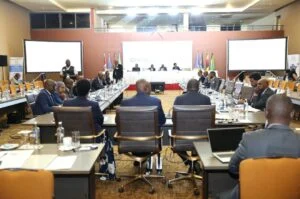
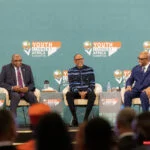
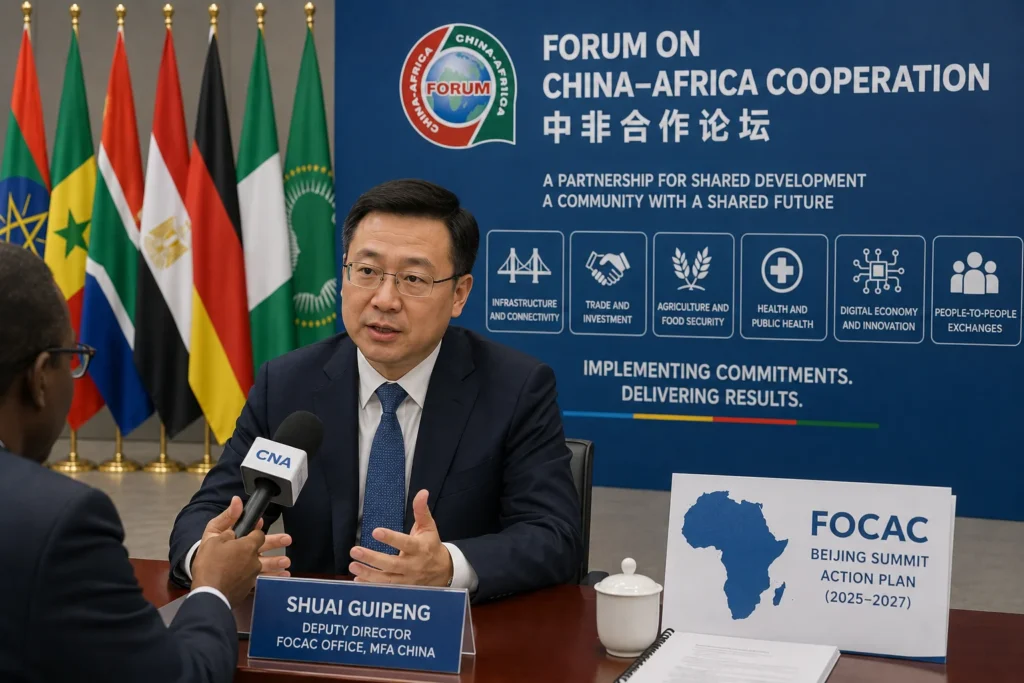
The 18th Meeting of Senior Officials of the Forum on China-Africa Cooperation (FOCAC), held from November 26 to 27, brought together representatives from China, African countries and the African Union to review the implementation of agreements reached during the 2024 Beijing Summit.
The meeting comes at a critical point for the partnership, as African governments increasingly seek evidence that China’s promises of investment, infrastructure development and expanded trade are translating into practical economic benefits.
Congo’s Foreign Minister, Constant-Serge Bounda, who participated in opening the meeting alongside China’s Vice Foreign Minister, Miao Deyu, emphasised the importance of moving beyond political commitments towards measurable development outcomes.
He pointed to progress in infrastructure, commerce, healthcare, peace, security and diplomatic cooperation, describing these sectors as important pillars of the China-Africa relationship.
The discussions are also intended to identify obstacles affecting the implementation of commitments made at the 2024 Beijing Summit and establish measures to accelerate their delivery.
For the Republic of Congo, hosting the meeting carries particular diplomatic importance. The country currently shares the African co-chairmanship of FOCAC with China for the 2024–2027 period, placing Brazzaville at the centre of preparations for the next stage of the partnership.
The 10th FOCAC Ministerial Conference is expected to take place in Brazzaville in 2027, making the Central African country an important venue for discussions that could shape China-Africa relations over the coming years.
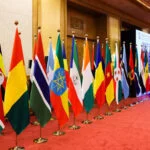
Established in 2000, FOCAC has developed into the principal institutional platform for dialogue between China and African governments. It brings together China, the African Union Commission and 53 African countries that maintain diplomatic relations with Beijing.
The forum has become an important instrument for coordinating cooperation in trade, infrastructure, industrialisation, agriculture, healthcare and technology.
However, the partnership also faces growing expectations from African governments, many of which want stronger evidence that cooperation is helping their economies move beyond dependence on commodity exports.
Infrastructure remains one of the most visible aspects of Chinese engagement across Africa. Chinese companies have participated in the construction and rehabilitation of roads, railways, energy facilities and other major development projects.
In Congo, one of the infrastructure issues associated with the country’s development priorities is the rehabilitation of the Congo-Ocean Railway, which connects the capital, Brazzaville, with the Atlantic port city of Pointe-Noire.
The railway is strategically important for the movement of passengers and goods, particularly given the country’s ambition to strengthen its position as a transport and commercial link in Central Africa.
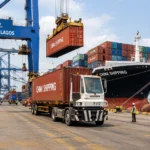
Trade is another major issue shaping the discussions. China’s economic relationship with African countries has expanded significantly, while Beijing has introduced measures intended to improve African access to its market.
In particular, China’s zero-tariff policy for imports from 53 African countries with which it maintains diplomatic relations took effect on May 1, 2026. The policy is intended to create additional opportunities for African exporters seeking access to the Chinese market.
Nevertheless, access to international markets alone does not guarantee economic transformation. African countries must also strengthen domestic production, improve product standards and develop the infrastructure required to compete in global trade.
These questions are likely to remain important as officials prepare for the 2027 ministerial conference.
The Brazzaville meeting therefore represents more than a routine diplomatic gathering. It provides an opportunity for African governments to assess the progress of their partnership with China and identify areas where implementation needs to improve.
Following the 2027 conference, Equatorial Guinea is expected to take over the African co-chairmanship of FOCAC for the 2027–2030 period.
For China, maintaining the momentum of cooperation will be important to its long-term economic and diplomatic engagement with Africa. For African governments, the priority will be ensuring that the relationship delivers stronger domestic industries, employment opportunities, improved infrastructure and more balanced trade.
As preparations continue, the real measure of success for the next FOCAC conference may not be the number of agreements announced, but how effectively existing commitments improve economic conditions across the continent.