
By Cremilda Macuácua, China Africa News
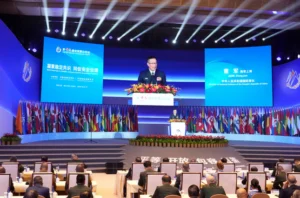
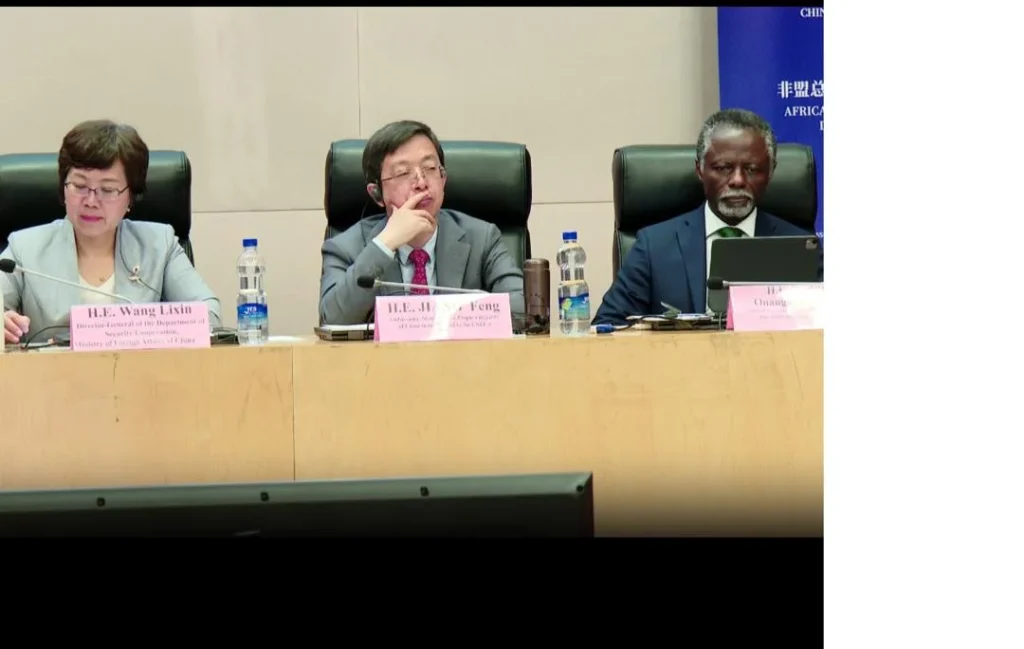
Addis Ababa-China and Africa have announced their intention to unite to build a just and orderly international security system, declared Wang Lixin, Director-General of the Security Cooperation Department at China’s Ministry of Foreign Affairs speaking at a seminar in Addis Ababa on December 4, 2025.
At the event, titled “Work Together to Build a Common Security: China and Africa in Action,” Wang said the two sides must join hands to amplify the voice of the Global South, safeguard international justice, and create “a peaceful and stable environment for their common development.”
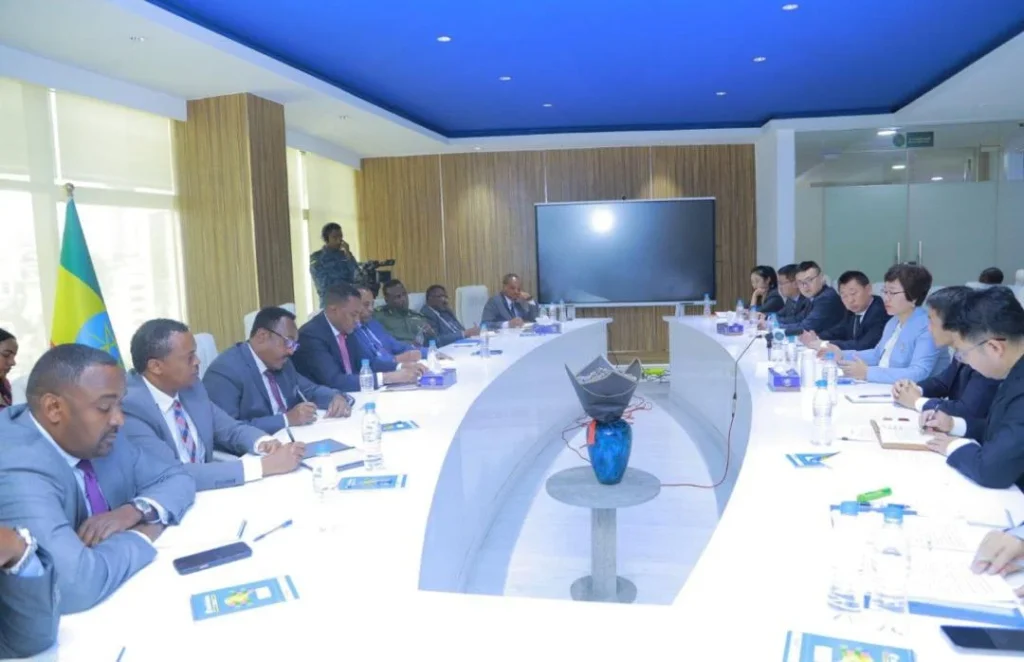
The gathering marked a new inflection point: what decades ago began as Chinese-African cooperation on infrastructure and development now seeks to expand into security, defence, and governance under the umbrella of the Global Security Initiative (GSI).
It is no idle promise. At the 2024 summit of the Forum on China–Africa Cooperation (FOCAC), leaders from China, 53 African states and the African Union (AU) adopted a unified framework including the GSI to guide future cooperation. The resulting “Beijing Declaration on Jointly Building an All-Weather China-Africa Community with a Shared Future for the New Era” placed “common security” squarely among the key pillars.
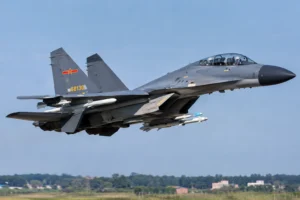
Under that agreement, China pledged RMB 1 billion in military grants, training for 6,000 African military personnel and 1,000 police officers, joint exercises, patrols, even de-mining efforts and security support for Belt and Road projects.
On Wednesday in Addis Ababa, the message was clear: Africa and China intend to deepen this security cooperation not as an afterthought, but as a central component of a shared vision for global order. Wang emphasized that in today’s world “rising geopolitical tensions, major-power rivalry, and global security challenges” make such cooperation urgent.
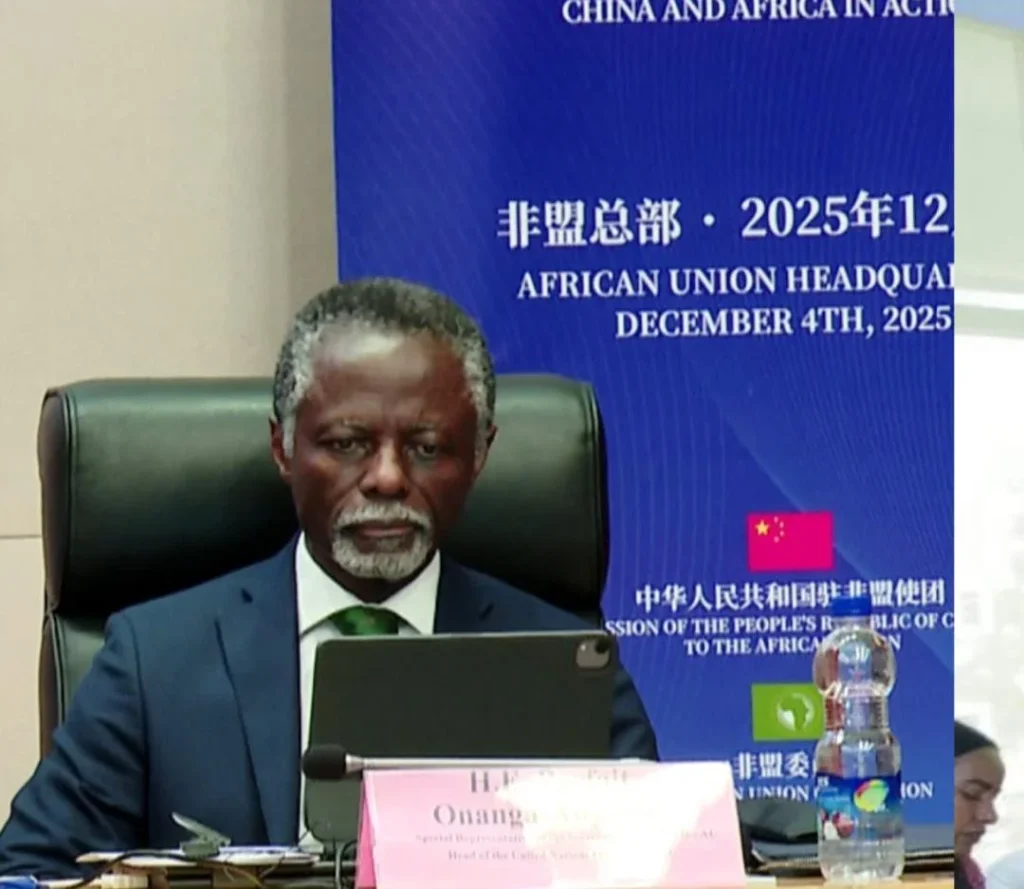
The tone at the seminar carried weight beyond bureaucratic formalities. Also speaking was Parfait Onanga‑Anyanga, Special Representative of the UN Secretary-General to the AU and head of UN Office to the AU, who welcomed the GSI calling for “mediation, inclusive dialogue, and cooperative approaches” under the banner of the UN Charter.
For many African leaders and diplomats, the appeal is obvious. Fragile states across the continent continue to grapple with insecurity, insurgency, weak institutions problems that, for decades, have outpaced the capacity of existing regional partners or post-colonial donors.
By tying security cooperation to the GSI and underlying it with the broader framework of the Global Development Initiative (GDI), the Global Civilization Initiative (GCI), and now the Global Governance Initiative (GGI) China is pushing a holistic model: development, culture and security as three inseparable strands of a “Global South” revival.
But this new security agenda is not without risks or controversy. Critics warn that what begins as capacity-building and stabilization could morph into influence, dependencies, and a shift in alignment especially in states with fragile governance or contested legitimacy.
Still, as delegates left the AU conference hall on December 4, the message seemed to resonate: security is the new frontier of China–Africa cooperation. For many African governments, that may not be cause for alarm but opportunity. A chance to build capacity. A chance to safeguard critical infrastructure. A chance to chart their own path in a turbulent world.
And for global observers, this shift raises a question that may define the next decade of international order: as China and Africa partner more closely on security, who defines “peace,” who enforces “stability,” and to whose benefit does this new architecture bend?