
By Senior Editor, China Africa News
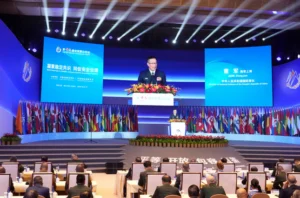
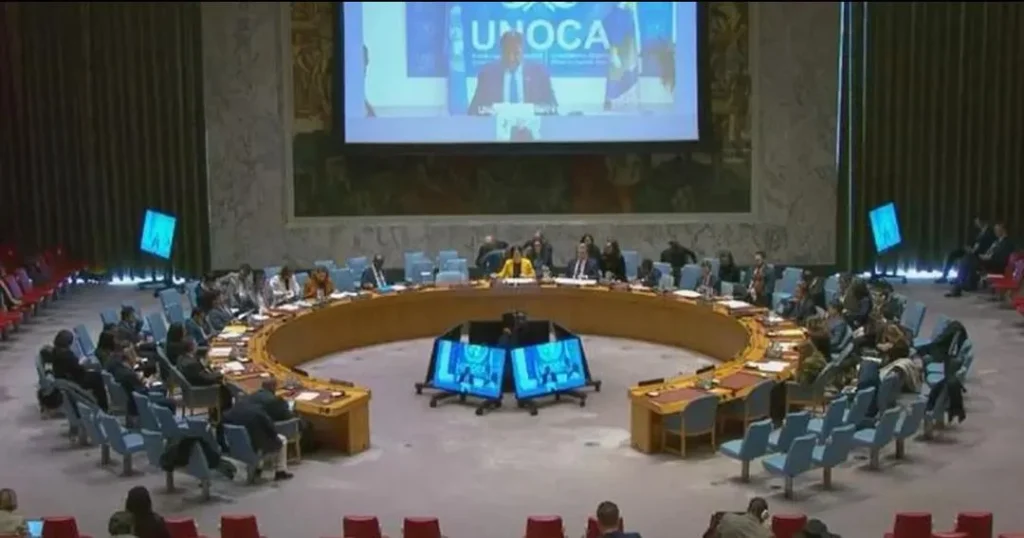
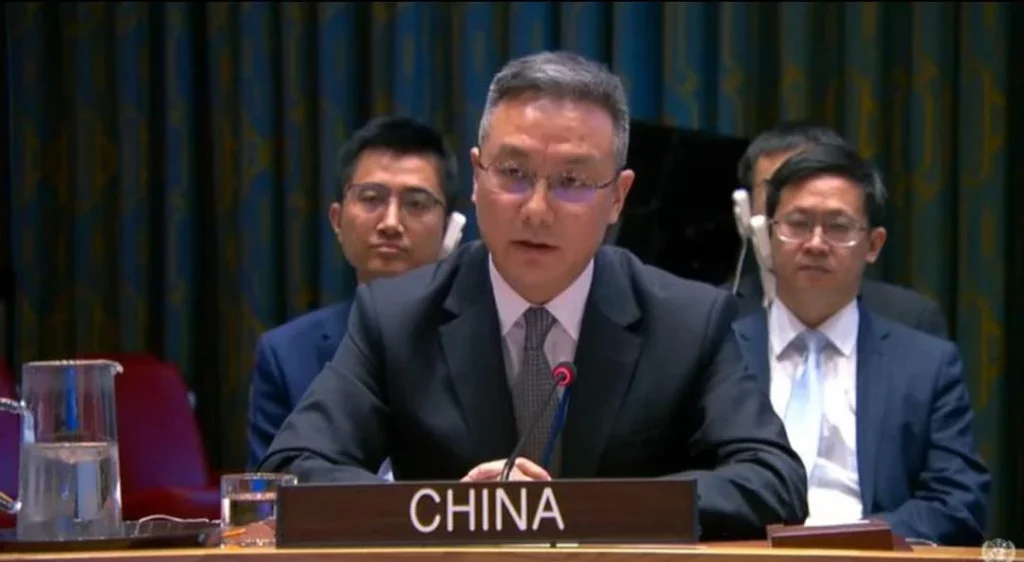
New York-At a recent United Nations Security Council session, China’s deputy permanent representative, Sun Lei, used his platform to draw urgent attention to the deepening security challenges facing Central African countries.
With violent extremist incidents continuing to plague the Lake Chad basin and the number of terrorist attacks remaining high, his words captured both concern and a forward-looking appeal for cooperation.
Sun made it clear that this was more than a routine briefing it was a call for the international community to rethink how support is provided, saying, “The international community should uphold the concept of common, comprehensive, cooperative and sustainable security and provide greater support in areas such as situational awareness, financial input, intelligence and early warning to help countries in the region enhance their capacity for independent security and reinforce the region’s security defenses.”
In articulating this stance, China positioned itself not merely as a spectator of events in Central Africa, but as a diplomatic voice pushing for collective action grounded in partnership.
Rather than framing the situation solely in terms of threats or instability, Sun’s remarks emphasized capacity-building urging that resources and cooperation be directed in ways that help affected states develop their own security systems, intelligence capabilities and early warning mechanisms.
Sun’s call also wove in broader concerns about political stability and development: he urged that constructive support be tailored to each country’s specific national conditions in areas such as election financing, reconciliation and institutional reform. In doing so, China underscored a vision of international assistance that goes beyond short-term fixes, instead fostering long-term resilience.
The emphasis on sustainable development and resilience echoes China’s ongoing diplomatic narrative about global cooperation one that seeks to balance security with economic and institutional strengthening.
China’s envoy reminded the Council that many countries in the region still grapple with development challenges such as high inflation, reduced aid and debt repayment difficulties, and he urged wealthy nations and multilateral institutions to ease financial burdens so that peace and growth can take hold.
By voicing these points at the UN Security Council, China reinforced its positioning as a partner advocating for inclusive, cooperative security frameworks that respect sovereignty and aim to empower local actors.
This approach aligns with how China frames its engagement with Africa more broadly combining calls for shared responsibility with practical proposals for long-term support, and underscoring the importance of international solidarity in addressing the intertwined challenges of security and development.