

By Senior Editor, China Africa News
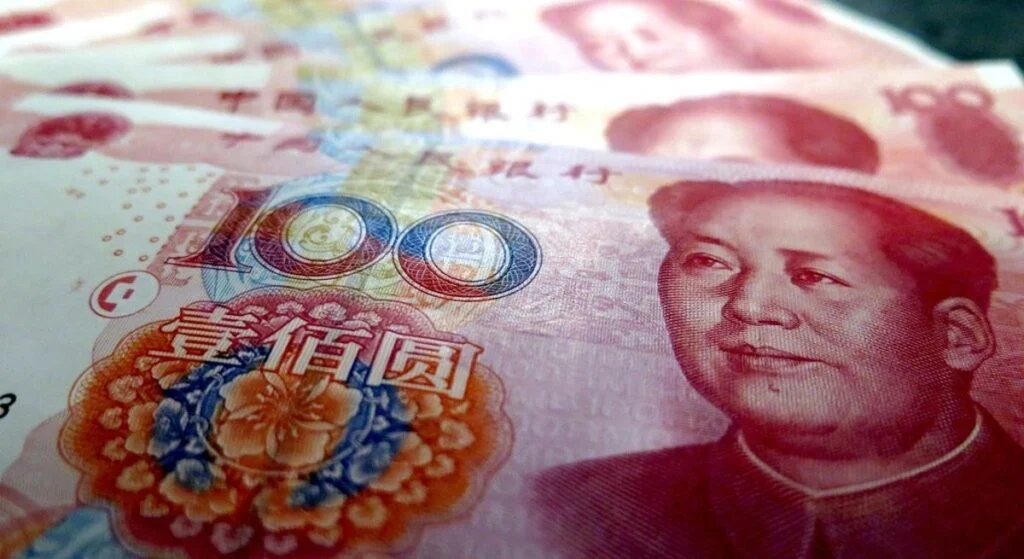
BEIJING, June 23, 2026 — Trade between China and Africa is continuing to expand, driven by strong demand for industrial goods, consumer products, infrastructure inputs, and raw materials. But beneath the steady rise in trade volumes, a quieter financial shift is beginning to take shape: a slow increase in the use of the Chinese yuan in cross-border transactions.
China remains one of Africa’s largest trading partners, with exchanges spanning manufacturing equipment, electronics, textiles, machinery, and commodities such as minerals and agricultural products. Over the past two decades, this relationship has grown into one of the most significant South-South trade corridors in the global economy.
Now, alongside that expansion, new payment patterns are emerging.
In some bilateral transactions particularly those involving Chinese exporters and African importers settlements in yuan are becoming more common. While the U.S. dollar still dominates global trade finance and remains the primary currency for most African international transactions, the yuan is gradually being introduced as an alternative in select trade channels.
The shift is not abrupt or uniform. Instead, it reflects a layered financial transition shaped by practical economic pressures and long-term strategic interests on both sides.
For many African businesses and governments, foreign exchange constraints remain a persistent challenge. Access to U.S. dollars can be limited, costly, or volatile depending on domestic economic conditions. In this context, the ability to settle certain imports directly in yuan offers a measure of flexibility, particularly for countries with strong trade ties to China.
For Beijing, the trend aligns with a broader objective of increasing the international use of its currency. By encouraging yuan-based trade settlement in regions where Chinese commercial activity is already significant, China is gradually expanding the currency’s global footprint without relying on formal financial mandates.
Trade policy developments have also contributed to the broader expansion of economic ties. China has taken steps to ease or eliminate tariffs on imports from a growing number of African countries, a move designed to encourage greater market access for African exporters. While the practical impact varies across sectors and countries, the policy signals an effort to deepen trade reciprocity and diversify import flows.
Some African exporters have begun to benefit from improved access to Chinese markets, particularly in agriculture, processed foods, textiles, and niche manufactured goods. However, the overall structure of trade remains uneven. Africa continues to export largely raw materials while importing higher-value manufactured products from China.
This imbalance remains one of the central challenges in the relationship.
Economists note that while expanded market access is positive, the long-term development impact depends on whether African economies can move further up the value chain. Without industrial expansion, increased trade volumes risk reinforcing existing dependency patterns rather than transforming them.
Financial integration between China and Africa has also expanded in parallel with trade growth. Chinese banks have increased their presence across the continent, supporting trade financing, infrastructure lending, and currency swap arrangements with several central banks. These mechanisms make it easier for firms engaged in China-linked trade to operate in yuan when needed.
Still, the transition remains limited in scope.
Most African economies continue to rely heavily on dollar-based systems for international trade and debt servicing. Financial infrastructure supporting widespread yuan usage—such as deep liquidity markets, currency convertibility, and integrated settlement systems—remains underdeveloped in most African countries.
As a result, yuan adoption is best understood not as a replacement for existing systems, but as an additional layer within them.
The broader significance lies in what this gradual shift represents. Rather than relying solely on traditional Western financial networks, parts of Africa’s trade ecosystem are beginning to interact more directly with China’s financial architecture. This reflects a broader global trend toward a more multipolar economic system, where multiple currencies and trade mechanisms coexist.
For African policymakers, the implications are mixed.
Greater financial flexibility in trade settlement can ease pressure on foreign currency reserves and support import activity. At the same time, deeper integration with a single major trading partner raises questions about economic diversification and long-term resilience.
China’s role in this evolving system remains central. Its combination of manufacturing capacity, infrastructure investment, and expanding financial networks positions it as a key driver of Africa’s external trade environment. For African economies, engagement with China offers access to capital, goods, and technology that are often difficult to source elsewhere at comparable scale.
The relationship is increasingly framed by both sides as mutually beneficial. African countries gain expanded trade access and potential financial flexibility, while Chinese firms secure new markets and reinforce their position in global supply chains.
But the sustainability of that balance will depend on how trade evolves over time. If African economies succeed in expanding industrial production and diversifying exports, the relationship could become more balanced. If not, existing structural patterns may persist even as trade volumes grow.
For now, the most notable change is not dramatic disruption, but gradual adjustment.
Trade between China and Africa continues to rise, and alongside it, a quiet financial evolution is unfolding. The yuan is not replacing the dollar in African trade but in certain corridors, it is beginning to share the stage.