

By Cremilda Macuácua, China Africa News
Johannesburg/Kigali, January 15, 2026 — South Africa’s decision to send 50 TVET graduates to China on January 12 for a year-long e-commerce training programme is part of a broader and growing pattern of international skills exchanges between African nations and partners abroad, particularly China.
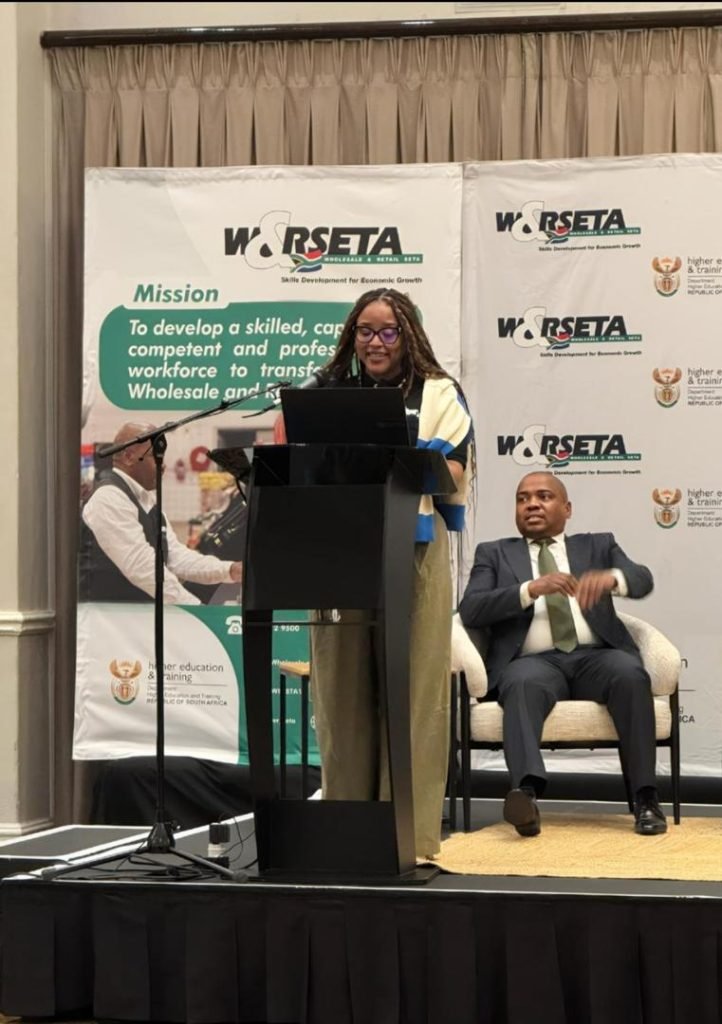
The South African cohort, drawn from 21 technical, vocational and education training colleges across the country, will undertake a rigorous programme designed to equip them with practical digital commerce skills that can support both employment and entrepreneurship when they return home.
The initiative is jointly funded by the Wholesale and Retail Sector Education and Training Authority and the Chinese Culture and International Education Exchange Centre alongside several Chinese colleges, and organisers say the graduates are expected to serve as ambassadors for South Africa during their time in China.
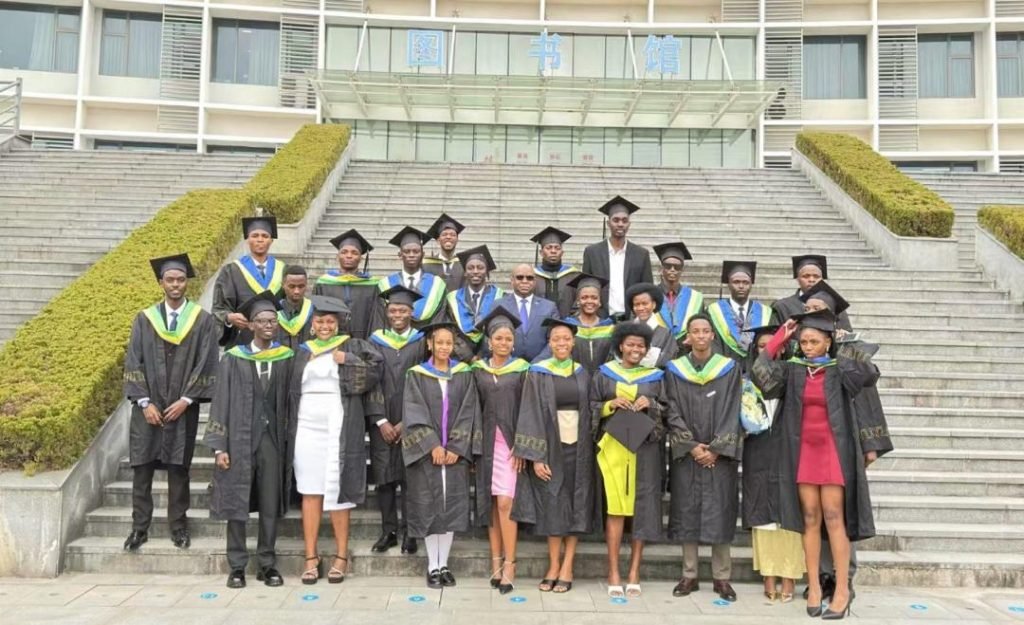
At the same time, Rwanda has been implementing a similar model of international vocational training that blends local education with overseas exposure. In late 2025 and into early 2026, thirty students from Rwanda Polytechnic Musanze College completed a year of advanced vocational training at China’s Jinhua University of Vocational Technology, returning home with specialised skills in e-commerce and electrical automation technology.
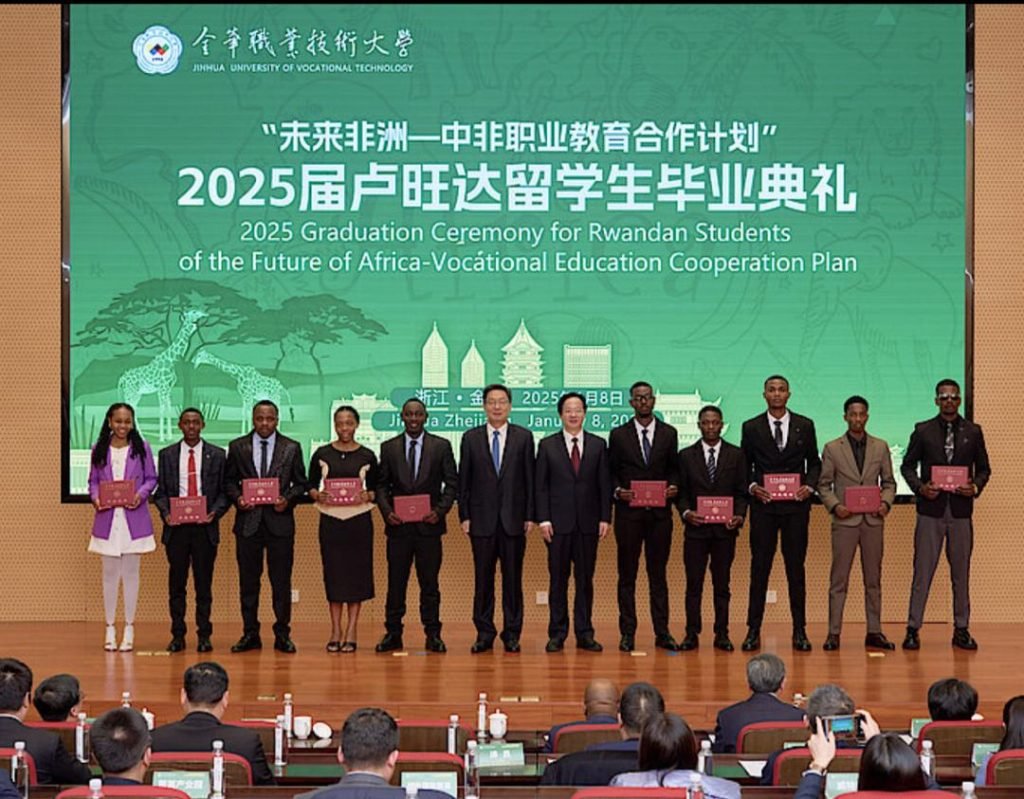
What sets the Rwandan programme apart is its structured “2+1” model, in which students spend two years on foundational training in Rwanda before completing their final year in China, earning internationally recognised credentials and hands-on experience in fast-growing technical fields. Many of the Rwandan graduates have said their time abroad has been transformative, giving them confidence and practical expertise they now plan to apply to local development projects and industry needs at home.
These parallel programmes reflect a broader trend of educational cooperation that goes beyond traditional academic exchanges, focusing instead on vocational and technical skills that match the demands of today’s digital and industrial economies. South African officials emphasise the importance of preparing youth for the realities of a changing job market, while Rwandan leaders see such initiatives as directly contributing to national development priorities by strengthening local capacity in areas like e-commerce, automation and digital industry.
Across the continent, similar collaborations and opportunities are emerging. In Kenya, for example, technology-focused programmes like Huawei’s “Seeds for the Future” initiative have been training ICT talent and fostering international exposure for local students, while other regional efforts aim to expand digital literacy and vocational skills online and within local communities.
Observers of these developments note that Africa’s youthful population coupled with sustained international partnerships in education and training creates a potential pathway for accelerating human capital development and economic competitiveness. Students who gain skills abroad often return with new perspectives, practical knowledge and networks that can contribute to job creation, innovation and the growth of local industries. As such exchanges continue to expand, they are shaping a new chapter in Africa’s engagement with global education and economic opportunity.