
By Senior Reporter, China Africa News
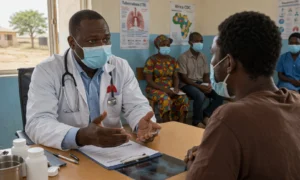
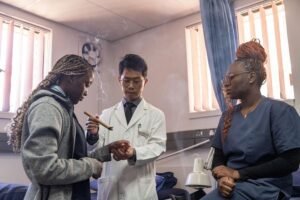
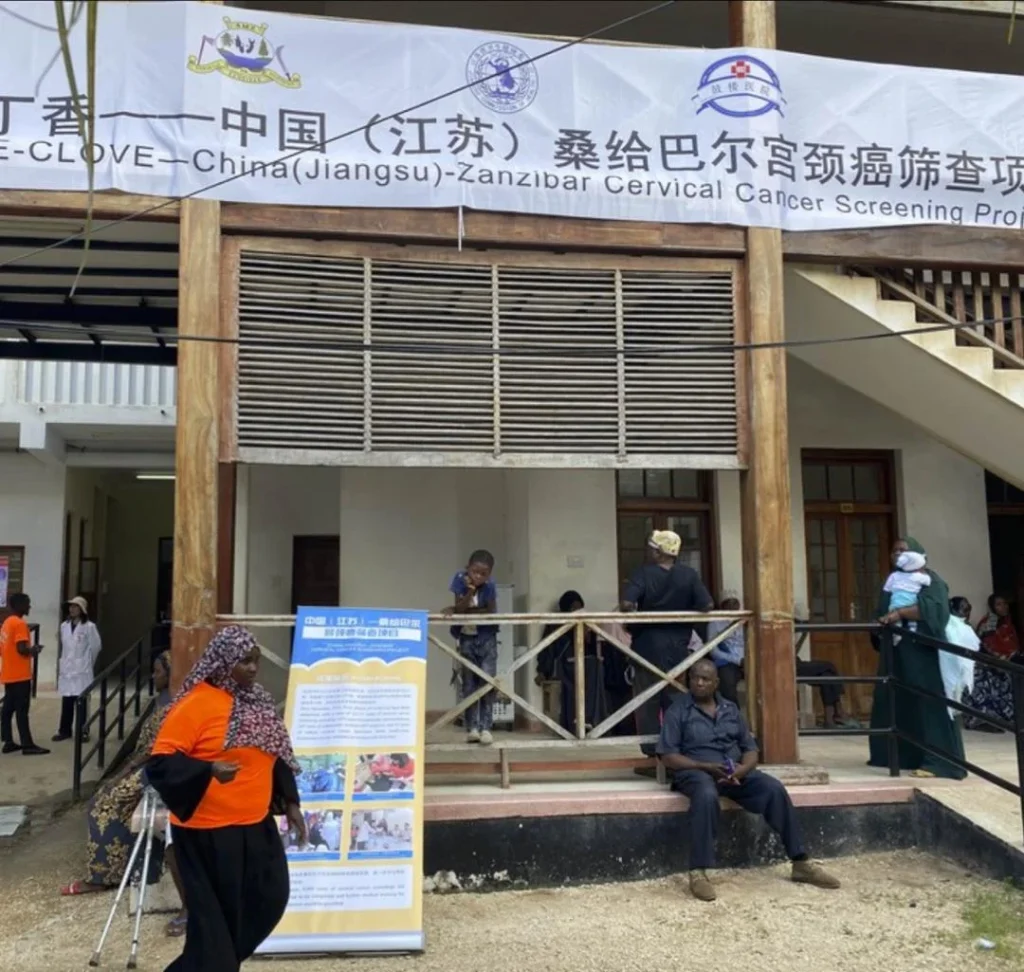
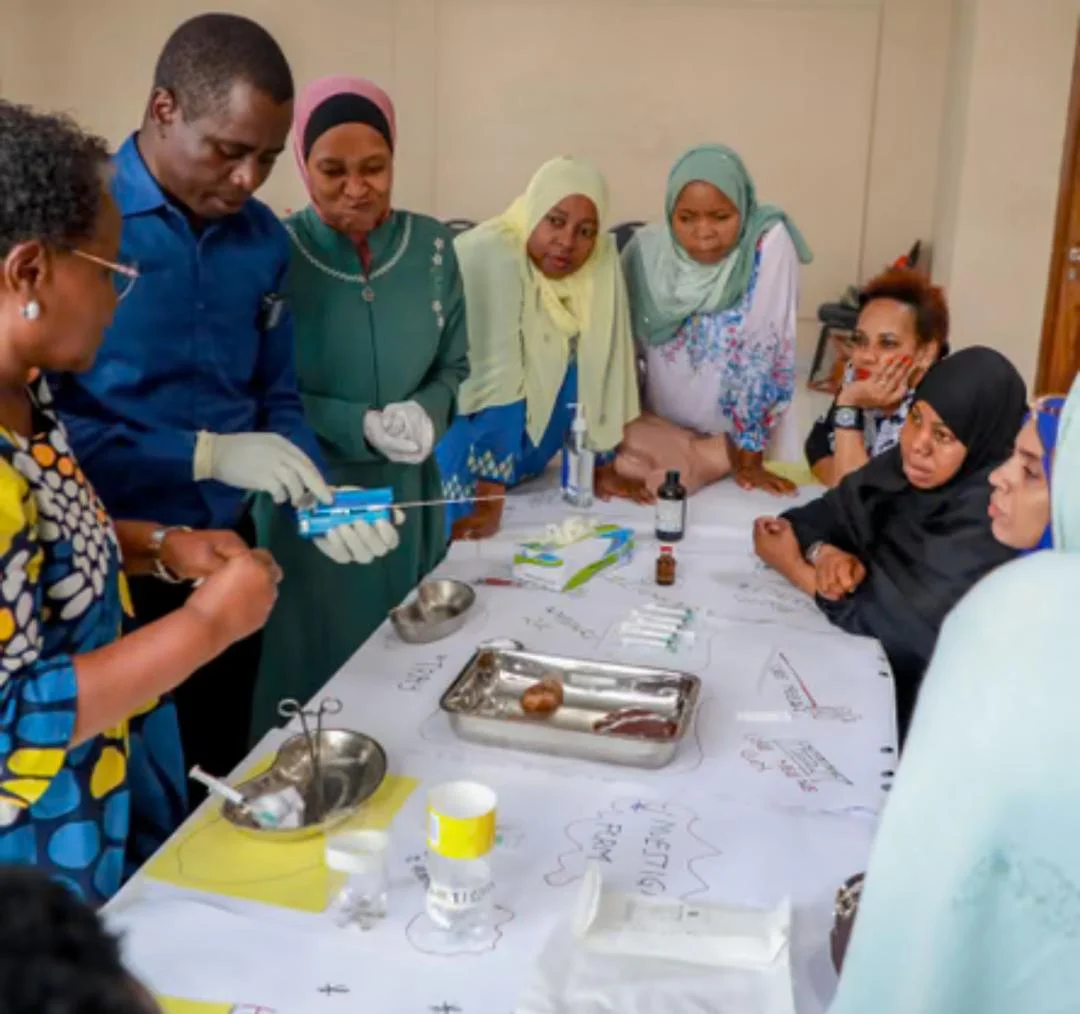
Zanzibar– In November 2025, China’s Ministry of Commerce and National Health Commission officially opened a training programme on cervical cancer screening in Zanzibar, in partnership with the 35th Chinese medical team stationed on the archipelago.
The programme, led by gynecological experts Han Liwei and Liu Huiling with coordination by Bao Zengtao, combines theoretical instruction with handson practice for local healthcare workers.
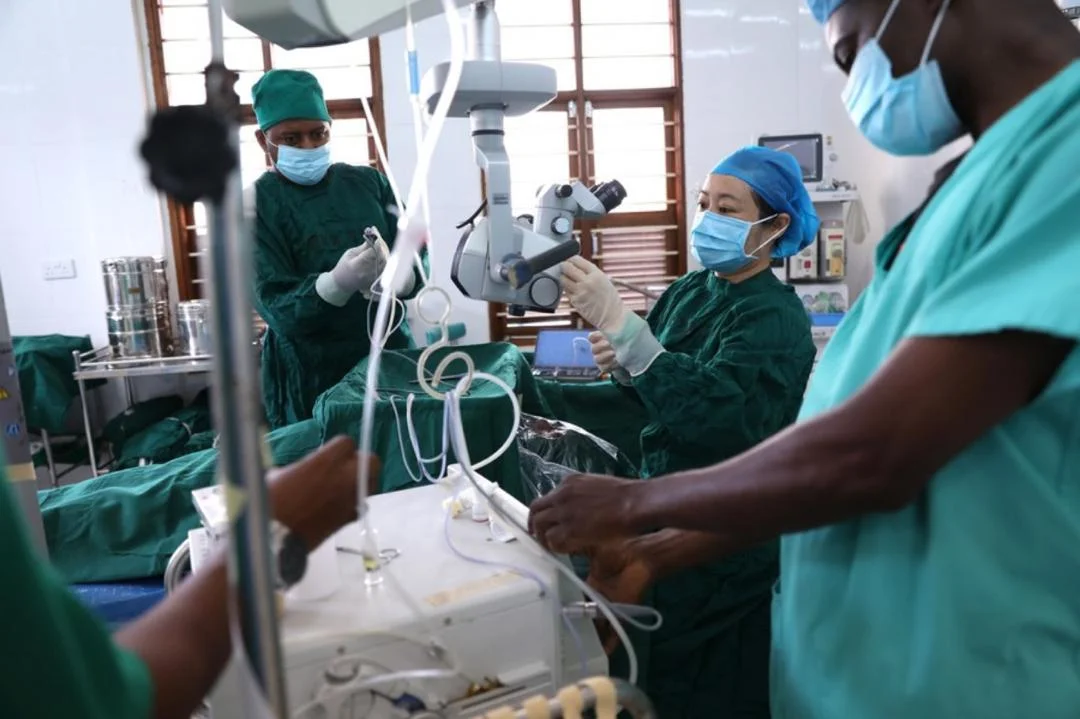
At bottom, this initiative reflects a significant shift in China–Tanzania cooperation: from one where China supplied medical teams and equipment, to one oriented around building sustained local capacity.
Zanzibar faces a particularly heavy burden from cervical cancer: it is the leading cancer among women of reproductive age.The decision to focus on screening and prevention instead of just treatment signals both urgency and strategy. As local health officials in Zanzibar acknowledged, the training helps fill a gap in women’s health protection and serves as a platform for deeper exchange and mutual learning.
The nature of the collaboration illustrates three interconnected dynamics.
- First is capacity building: rather than merely delivering services, the training empowers local staff with diagnostic and procedural expertise. This emphasises the transition from external aid to local ownership.
- Second is sustainability: by embedding screening protocols and training within Zanzibar’s health system, the hope is that gains will persist when Chinese medical teams depart.
- Third is strategic partnership: beyond bilateral assistance, the collaboration sets a longerterm agenda of shared health security and development between China and Zanzibar.
Yet this cooperation must contend with several important caveats. Training alone does not guarantee impact unless it is integrated with regular screening outreach, reliable supply chains for consumables, followup pathways for positive cases, and robust data monitoring.
For example, Zanzibar has previously done extensive screening but the question remains how many women receive timely treatment and longterm followup. Local ownership is equally vital: translation of curricula into Kiswahili, alignment with Zanzibar’s Ministry of Health priorities, budgeting for routine operations are all determinants of whether this initiative becomes institutionalised.
Moreover, while China’s role in Zanzibar’s health infrastructure is longstanding — since 1964, some 847 Chinese medical workers in 34 batches have served in Zanzibar, providing care to some 8.3 million people.
The question is whether these earlier efforts, many of which were mainly servicedelivery oriented, can evolve into partnerships of equals and mutual capacity building. The cervicalscreening training suggests they can, but a lot will depend on followthrough.
For Zanzibar, and by extension Tanzania’s broader health agenda, lessons emerge: focus on building human capital not just installing machines; integrate diseasespecific work (like cervical cancer) into general health systems rather than siloed projects; ensure monitoring and evaluation guide scaleup; and foster partnerships where local empowerment is front and centre. For China, the model offers an opportunity to refine its health diplomacy into one that privileges sustainability and reciprocity over oneoff aid.
Ultimately, the success of this programme will be judged in years to come by how it changes ontheground outcomes: reductions in cervical cancer incidence and mortality, increased screening coverage, timely treatment, and stronger local health institutions.
If those metrics improve, this collaboration could serve as a blueprint for other lowresource settings. If not, it risks being viewed as another episodic project rather than a structural transformation.
In Zanzibar’s case, the training programme may mark a turning point in ChinaTanzania health cooperation one that aligns with global aims of female health, capacity building and development partnerships. It places local workers, local systems and local ownership at the heart of the endeavour. And that shift in orientation may prove the most significant part of the story.