
By Cremilda Macuácua,China Africa News
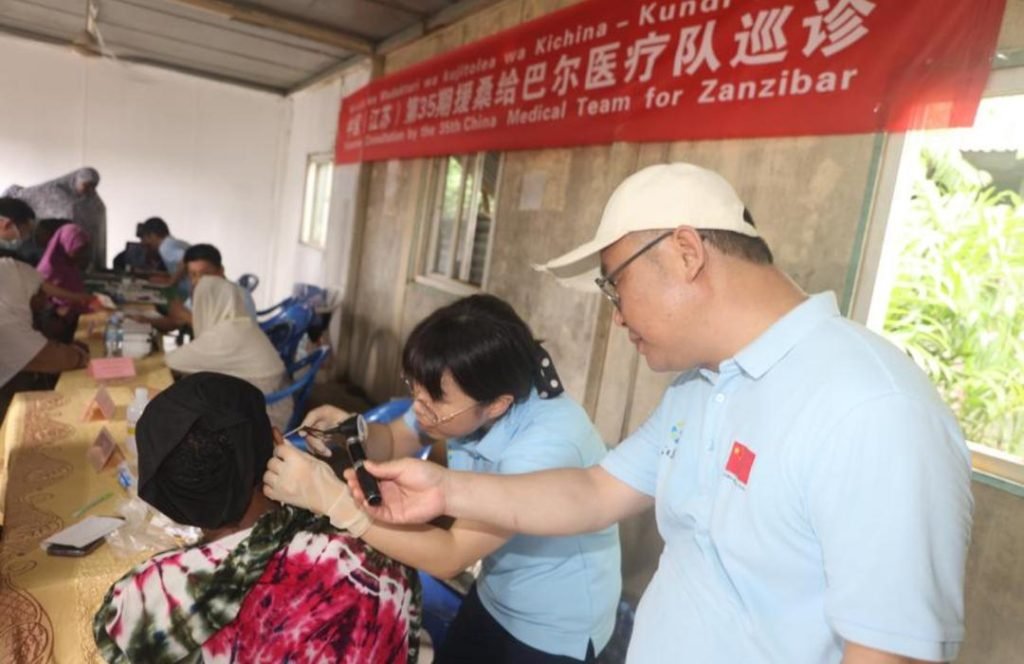
Zanzibar, Jan. 20, 2026 — China and Tanzania have started the new year by strengthening grassroots health services and deepening long‑standing ties in public health cooperation. On Tuesday, a team of Chinese medical experts inaugurated the “100 Medical Teams in 1,000 Villages” free medical services program at a community health service center on Pemba Island, the second largest island in Zanzibar.
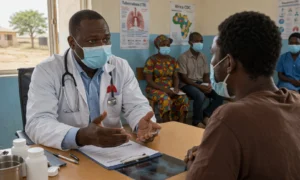
More than 300 local residents and officials gathered for the launch, where members of the expert team from the China‑aided schistosomiasis prevention and control project and the 35th Chinese medical team in Zanzibar introduced a suite of services — from health education on schistosomiasis to physical check‑ups and chronic disease consultations all offered free of charge.
For communities long burdened by limited healthcare access and parasitic disease, the visit was more than a medical mission it was reassurance. Pemba Island, once challenged by high rates of schistosomiasis, has seen remarkable progress over years of collaboration. Chinese health specialists first brought focused schistosomiasis control expertise to the island in 2017, contributing to dramatic declines in infection rates and expanding preventive outreach alongside local health authorities.
“These efforts represent more than treatment they represent trust,”
Said Wang Wei, leader of the expert team. He linked the campaign to the broader 2026 China‑Africa Year of People‑to‑People Exchange, emphasizing that stronger primary care and disease prevention at the village level are central to both countries’ public health goals.
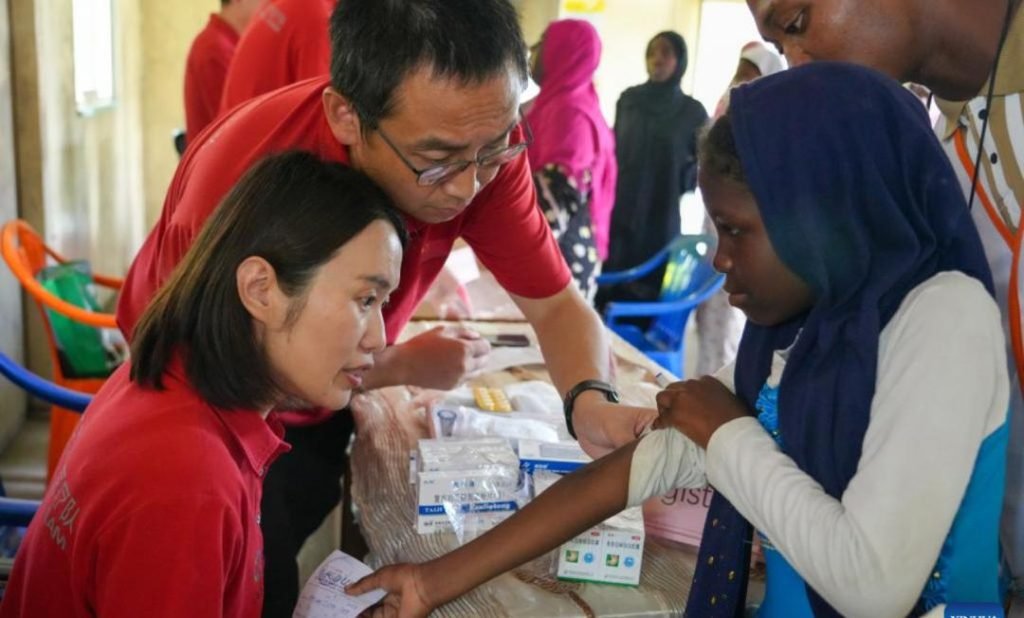
Residents received not only medical check‑ups but also schistosomiasis prevention training and advice on managing chronic conditions, bringing care directly to communities that traditionally face barriers in reaching urban hospitals.
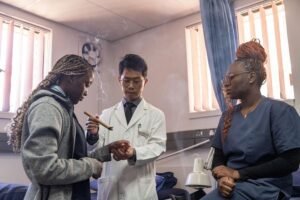
This latest initiative builds on decades of cooperative medical work. China has been sending medical teams to Zanzibar since the 1960s, delivering care, training local professionals, and introducing advanced diagnostics once unavailable on the islands.
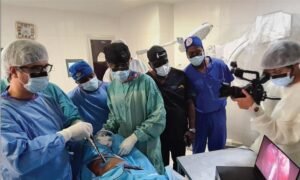
Previous Chinese medical contingents have conducted landmark procedures including the first CT‑guided lung biopsy in Zanzibar and have been publicly honored by local leaders for improving health outcomes and reducing disease prevalence.
For many Zanzibaris, this blend of direct care and capacity building offers tangible hope. “They not only treat us, they teach us,” said one Pemba resident after receiving health guidance at the launch event. Community members left with a sense that national partnerships can translate into everyday well‑being in their villages a promise of healthier futures grounded in friendship and sustained cooperation.